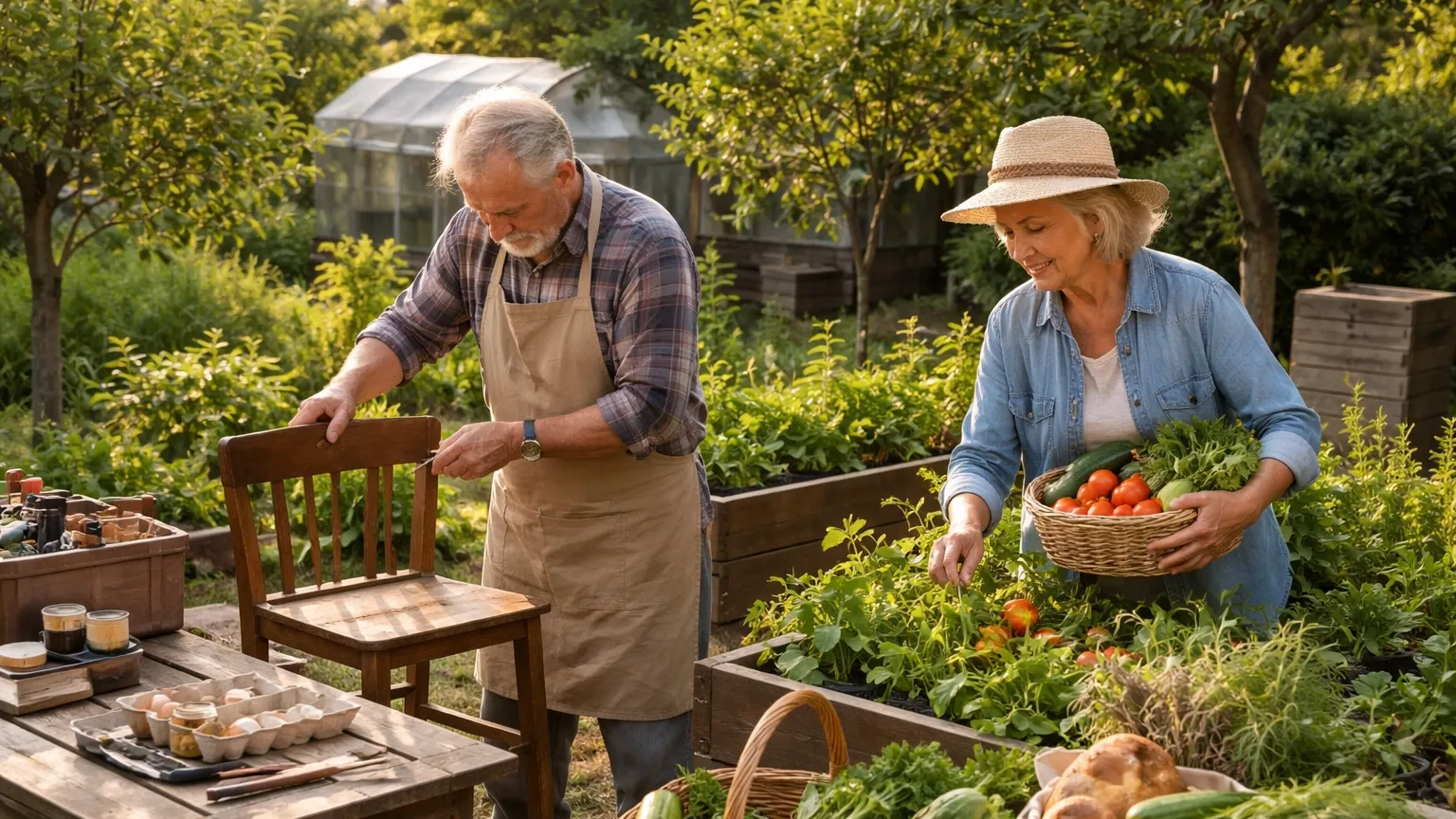
In our fast-paced world of overnight shipping and disposable electronics, the concept of “sustainability” often feels like a modern invention. We are constantly bombarded with advertisements for eco-friendly gadgets and high-tech solutions designed to reduce our carbon footprint. However, if we take a moment to look back at the daily routines of the Baby Boomer generation, we find that a sustainable boomer lifestyle wasn’t a trend—it was simply the way life was lived.
Before the era of mass-produced convenience, living sustainably was rooted in common sense, frugality, and a deep respect for the longevity of objects. By revisiting these timeless habits, we can discover a more grounded, intentional way of life that benefits both our well-being and the planet.
Defining the Sustainable Boomer Lifestyle
The sustainable boomer lifestyle refers to a set of traditional living practices centered on durability, resourcefulness, and local community engagement. Unlike modern “green” consumerism, which often encourages buying new products to save the environment, this lifestyle emphasizes the preservation of what we already own. It is characterized by a “make do and mend” philosophy, where value is measured by how long an item lasts rather than how quickly it can be replaced. Understanding this mindset is the first step toward integrating these valuable lessons into our contemporary lives.
Understanding the Original Repair Culture
Decades ago, when a toaster broke or a pair of trousers tore, the immediate reaction wasn’t to browse an online marketplace for a replacement. Instead, the focus was on repair. This original repair culture was built on the idea that objects had inherent value that justified the time and effort required to fix them. Whether it was a local cobbler resoling boots or a family member tinkering with a radio on the kitchen table, the goal was to keep items in service for as long as possible.
This approach fostered a sense of pride and self-sufficiency. When we learn to mend a hem or fix a leaky faucet, we develop a deeper connection to our surroundings. This shift away from a “throwaway” mentality reduces the demand for new manufacturing and significantly lowers the amount of waste entering our landfills. It reminds us that maintenance is an act of stewardship for our resources.
Prioritizing Durable High-Quality Goods
In the mid-20th century, purchasing a major appliance or a piece of furniture was often viewed as a once-in-a-lifetime investment. These items were built with heavy-duty materials like solid wood, steel, and glass, designed to withstand decades of daily use. While these goods often came with a higher upfront cost, their longevity meant they were far more economical and sustainable in the long run compared to the flimsy, plastic-heavy alternatives common today.
Adopting this habit means shifting our perspective from “cheap and now” to “quality and forever.” By choosing to invest in well-crafted goods, we naturally reduce our consumption levels. We stop the cycle of constant replacement, which in turn diminishes the environmental toll of production and transportation. There is a quiet satisfaction in owning something that ages gracefully alongside us.
Practicing Seasonal Home Cooking Habits
Before global supply chains made it possible to buy strawberries in January, eating was naturally aligned with the seasons. Boomers grew up in a culture where menus were dictated by what was fresh and available at the time. This wasn’t just a matter of taste; it was a practical way to ensure food was at its peak nutritional value while minimizing the energy required for long-distance shipping and artificial preservation.
Embracing seasonal home cooking allows us to reconnect with the natural rhythms of the earth. It encourages us to explore diverse ingredients and traditional preservation methods like canning or pickling during times of abundance. When we cook at home using whole, seasonal ingredients, we significantly reduce the packaging waste associated with processed foods and support a more resilient food system.
Reducing Waste Through Creative Reuse
The concept of “upcycling” might be trendy today, but for previous generations, it was a daily necessity. Old glass jars became storage containers for dry goods or nails in the garage. Worn-out bedsheets were transformed into cleaning rags or patchwork quilts. Nothing was discarded until every possible use had been exhausted. This creative reuse was born out of a respect for the materials and the labor that went into creating them.
Integrating this level of resourcefulness into our modern lives can be incredibly rewarding. It challenges us to look at “trash” with a fresh set of eyes and find new purposes for ordinary items. This habit doesn’t just save money; it sparks creativity and drastically cuts down on the volume of household waste we produce each year.
Implementing Localized Grocery Shopping Patterns
Long before the rise of massive suburban supermarkets, shopping was a much more localized experience. People frequented neighborhood butchers, bakers, and produce stands, often within walking distance of their homes. These localized shopping patterns supported the local economy and fostered a sense of community accountability. Because food didn’t have to travel thousands of miles, it was fresher and required less protective packaging.
By choosing to shop at farmers’ markets or local independent grocers, we can replicate this sustainable model. It reduces our reliance on long-haul transportation and encourages us to buy only what we need, which helps prevent food waste. Additionally, these smaller-scale interactions often lead to a better understanding of where our food comes from and how it was produced.
Cultivating Personal Backyard Food Sources
Many Boomers remember a time when a “victory garden” or a small backyard vegetable patch was a standard feature of the family home. Growing even a small portion of one’s own food—whether it was tomatoes, herbs, or a few fruit trees—provided a sense of security and a direct link to the land. This practice ensured a supply of organic produce without the carbon footprint of industrial farming.
Starting a garden, even if it’s just a few pots on a balcony, is one of the most impactful ways to embrace a sustainable boomer lifestyle. It teaches patience, provides physical activity, and offers a firsthand look at the beauty of the natural growth cycle. There is nothing quite like the flavor of a vegetable you raised yourself, and the reduction in plastic packaging and transport emissions is a significant win for the environment.
Minimizing High-Frequency Digital Consumption
While Boomers have certainly adapted to the digital age, their foundational years were spent in a world defined by analog experiences and focused attention. In contrast, modern life is often characterized by “high-frequency digital consumption”—the constant checking of notifications, endless scrolling, and the rapid turnover of electronic devices. This digital noise can lead to mental fatigue and a physical increase in electronic waste.
Scaling back our digital lives allows us to reclaim our time and focus. By choosing to engage in manual hobbies, such as reading physical books, woodworking, or knitting, we lower our energy consumption and improve our mental clarity. It’s about finding a balance where technology serves us, rather than the other way around, allowing for more “unplugged” moments that are naturally more sustainable.
Adopting Manual Energy-Saving Household Methods
Modern homes are filled with automated conveniences, from electric can openers to clothes dryers that run multiple times a day. While these save time, they also consume a significant amount of electricity. Many traditional household methods relied on manual effort and natural elements, such as line-drying clothes in the sun or using a broom instead of a vacuum for quick cleanups.
These manual methods are surprisingly effective and offer a low-impact way to maintain a home. Line-drying, for example, is gentler on fabrics, making clothes last longer, while also utilizing the free disinfecting power of UV rays. Incorporating these small, manual tasks into our routine helps us slow down and become more mindful of our energy usage, proving that sometimes the “old way” is still the best way.
Valuing Long-Term Product Maintenance Rituals
The secret to why many older items still function today lies in the ritual of maintenance. Whether it was oiling a wooden cutting board, polishing leather shoes, or seasonally servicing a lawnmower, Boomers understood that a little care goes a long way. These rituals were seen as a normal part of ownership, ensuring that the sustainable boomer lifestyle was built on a foundation of longevity.
When we take the time to care for our possessions, we honor the resources that went into making them. Maintenance prevents the premature failure of products and saves us from the financial burden of frequent replacements. It turns our relationship with our belongings from one of temporary consumption to one of long-term partnership.
Embracing the habits of the past isn’t about rejecting progress; it’s about choosing which parts of our heritage are worth carrying into the future. The sustainable boomer lifestyle offers a blueprint for a life that is richer in meaning and lighter on the earth. By slowing down, valuing quality over quantity, and finding joy in the simple acts of repair and cultivation, we can create a modern existence that is truly resilient.
These timeless practices remind us that we don’t always need to buy something new to improve our lives. Often, the most sustainable choice is to simply cherish and maintain what we already have.