

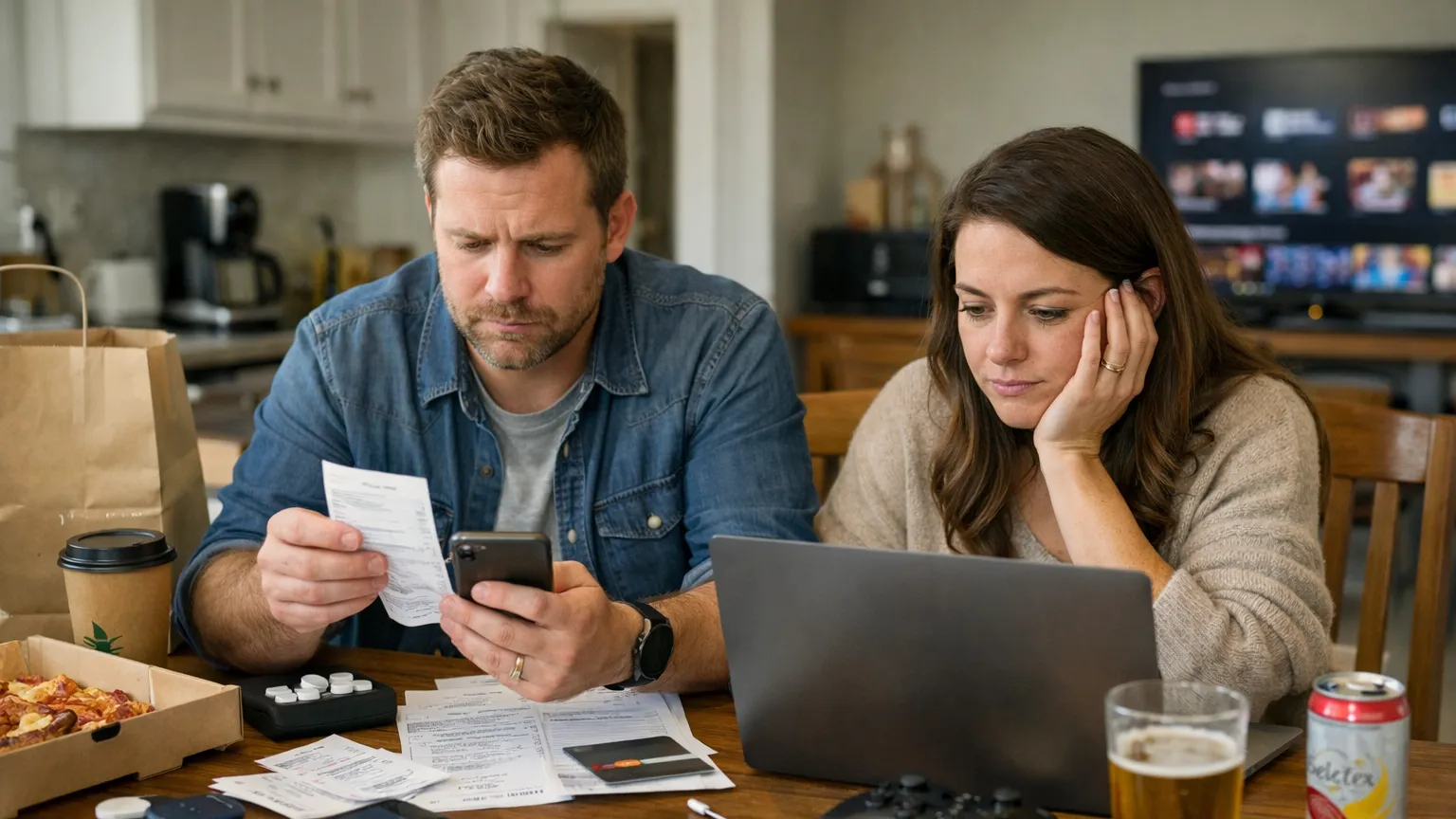
Have you ever looked at your bank statement at the end of the month and felt a genuine sense of confusion? You didn’t buy a new laptop, you haven’t gone on a shopping spree, and your rent hasn’t changed—yet the numbers don’t add up. Most of us are vigilant about “The Big Purchases,” the ones that require a deep breath before swiping the card. However, there is a silent, more insidious financial drain known as passive spending. These are the hidden micro-expenses that fly under our radar, slowly eroding our savings and keeping us trapped in a cycle of chronic overconsumption. By understanding these subtle daily leaks, you can reclaim control over your finances and shift your lifestyle from mindless consumption to intentional living.
The Convenience-Cost Psychological Trap
Modern life is engineered for friction-less transactions. We live in an era where “convenience” is marketed as a necessity rather than a luxury. This is the psychological foundation of passive spending. When a task feels slightly inconvenient—like brewing coffee, walking to a store, or cooking a meal—we are conditioned to pay a “convenience premium” to make the friction go away.
The danger lies in how our brains process these small amounts. A $4 delivery fee or a $2 “service charge” feels negligible in the moment. However, these aren’t isolated events; they are part of a behavioral pattern. We aren’t just paying for the service; we are training our brains to value immediate gratification over long-term financial health. Over time, this convenience-first mindset leads to chronic overconsumption because the barrier to spending has been entirely removed.
The Silent Erosion of the Subscription Model
One of the most effective “set and forget” traps in the modern economy is the subscription-based service. What started with magazines and gym memberships has morphed into a “Subscription of Everything” model. From streaming platforms and software to “premium” shipping and curated snack boxes, our financial lives are riddled with automated withdrawals.
The brilliance of the subscription model—for the corporations, at least—is that it turns active spending into passive spending. Once you’ve signed up, you no longer have to make a conscious decision to buy the product every month; the decision is made for you by an algorithm. This leads to “subscription fatigue,” where we pay for three different music apps or cloud storage tiers we haven’t checked in a year. This automated erosion is the hallmark of modern overconsumption: we are buying things we don’t even have the time to use.
The Premium Beverage and Lifestyle Markup
We often hear the “latte factor” dismissed as cliché financial advice, but the core truth remains: the premium beverage industry is a masterclass in passive spending. It’s not just about the coffee; it’s about the ritual. Whether it’s the $7 artisanal oat milk latte, the daily energy drink, or the $12 cocktail at happy hour, these liquid expenses are high-frequency and high-margin.
When these habits become part of our identity or daily “treat” culture, they stop feeling like expenses and start feeling like maintenance. We begin to feel that we need the premium version of a basic commodity to function or to feel successful. This lifestyle markup creates a baseline of spending that is difficult to lower once established, making it a primary driver of financial bloat.
Deconstructing Digital Micro-Transactions
The digital world has perfected the art of the “micro-transaction.” If you’ve ever spent $1.99 to remove ads from an app, $5 for an in-game skin, or a few dollars for extra “bits” on a streaming site, you’ve experienced this firsthand. These transactions are designed to be so small that they don’t trigger the “pain of paying” in our brains.
However, the digital economy relies on the sheer volume of these tiny hits. Because there is no physical exchange of cash, and often just a face-ID scan or a single click, the psychological weight of the purchase is non-existent. It is the ultimate form of passive spending—fast, invisible, and remarkably addictive. When these digital leaks are aggregated over a year, they often represent hundreds of dollars that provided almost zero long-term value.
Social Pressure and Celebratory Spending
Spending isn’t always digital or automated; sometimes, it’s social. We often fall into “celebratory spending” habits where we feel compelled to spend money because of the environment or the people we are with. It’s the extra round of appetizers because “everyone is doing it,” the expensive gift for a minor occasion, or the constant pressure of “brunch culture.”
While social connection is vital, the passive nature of this spending comes from our inability to say no to the group’s momentum. We overconsume because we don’t want to be the one to break the “vibe.” Recognizing these patterns allows you to separate your social value from your spending habits, ensuring that your nights out are fueled by genuine connection rather than a fear of missing out.
Mapping Delivery Fees and Invisible Logistics
The rise of the “gig economy” has introduced a new layer of invisible costs: delivery and service fees. When you order food through an app, the price of the item is often marked up, followed by a delivery fee, a service fee, and then a tip. A $15 meal can easily turn into a $28 expense before you’ve even taken a bite.
This is a classic example of passive spending because the “total” is only revealed at the very last second. By then, the “sunk cost” of your time—browsing the menu and getting hungry—makes you more likely to hit “order” regardless of the price. Mapping these invisible logistics reveals that we are often paying a 50-100% markup just to avoid a ten-minute drive.
Strategies for Implementing Intentional Friction
The antidote to passive spending is intentional friction. If the goal of modern marketing is to make spending as easy as possible, your goal should be to make it slightly more difficult. Here are a few ways to re-introduce a healthy level of resistance into your financial life:
-
The 24-Hour Rule: For any non-essential purchase over $20, wait 24 hours. The dopamine hit of “the find” usually fades, leaving you with a clearer head.
-
Unlink Your Cards: Remove your credit card information from “one-click” shopping sites and food delivery apps. Having to manually type in your card number gives your brain time to ask, “Do I actually need this?”
-
The Subscription Audit: Once every quarter, look at your bank statement specifically for recurring charges. If you haven’t used a service in the last 30 days, cancel it.
-
Cash for “Wants”: Try using physical cash for your most common spending categories, like snacks or coffee. Seeing the physical money leave your wallet provides a sensory feedback loop that digital swiping lacks.
Sustaining Long-Term Minimalist Discipline
Curbing passive spending isn’t about deprivation; it’s about alignment. It’s about ensuring that your hard-earned money is actually going toward things that improve your life, rather than leaking out through the cracks of convenience and clever marketing.
Adopting a more minimalist approach to your finances allows you to breathe. When you stop the chronic overconsumption of “micro-things,” you suddenly find you have the budget for the “macro-things”—the dream vacation, the house deposit, or the peace of mind that comes with a robust emergency fund.
Take a look at your last three days of transactions. How many of those purchases were active, conscious choices, and how many were just passive habits? By identifying these leaks today, you can begin to build a financial future that is defined by intention rather than inertia.