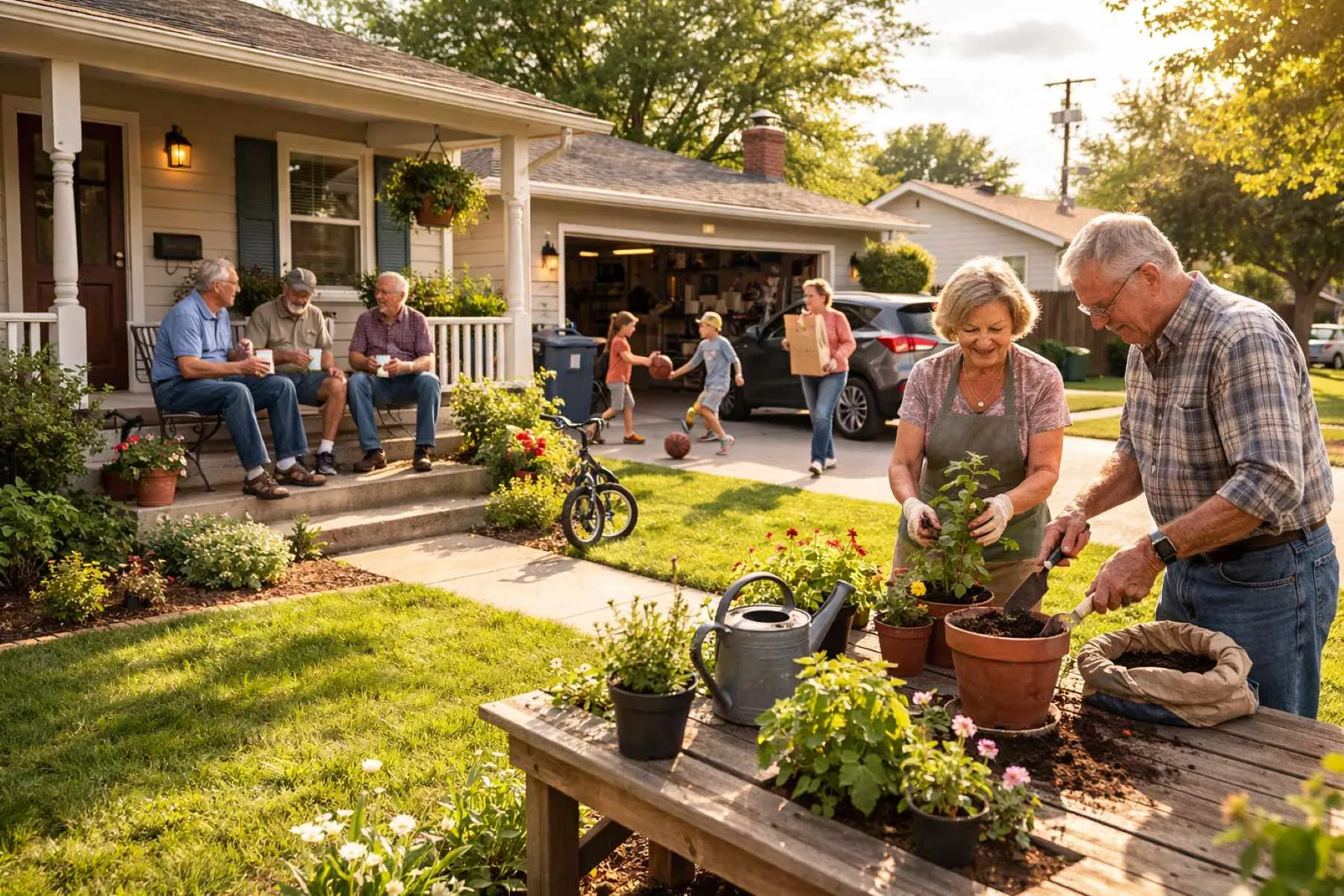
Every generation is shaped by the world they inherit, but few cohorts have their character discussed as frequently as the Baby Boomers. Born in the post-war era of expansion and shifting social tides, this generation has earned a reputation for a specific brand of psychological endurance. When we look at Baby Boomer resilience, we aren’t just looking at a personality trait; we are looking at the byproduct of specific social, economic, and cultural conditions that forged a “grit” rarely seen in the digital age.
Understanding this resilience requires looking past surface-level stereotypes. It isn’t simply about “toughing it out,” but rather about how their formative years provided a unique foundation for navigating life’s inevitable storms. By examining the social facts of their upbringing, we can better appreciate the mental landscape of a generation that learned to value stability, community, and long-term persistence.
Understanding the Concept of Baby Boomer Resilience
Before we dive into the factors that built this mindset, it is helpful to define what we mean by Baby Boomer resilience. In a sociological context, this refers to the capacity of individuals born roughly between 1946 and 1964 to recover quickly from setbacks and maintain a steady course during periods of upheaval.
This fortitude was not developed in a vacuum. It was the result of growing up in an era that demanded high levels of physical presence, manual effort, and interpersonal negotiation, all while the world was undergoing a massive structural transformation.
1. Economic Stability During Formative Years
The economic climate of the mid-20th century played a pivotal role in shaping the Boomer psyche. Following the hardships of the Great Depression and World War II, the era in which Boomers grew up was characterized by an unprecedented period of expansion. While this might seem like it would lead to “softness,” it actually provided a secure floor that allowed for the development of confidence and long-term planning.
When a young person grows up seeing that hard work consistently leads to measurable progress, it reinforces a “can-do” attitude. This early taste of stability created a reservoir of internal security, giving them the mental stamina to face later economic downturns with the belief that things would eventually trend upward again.
2. High Levels of Face-to-Face Socialization
In an age before instant messaging, the primary mode of connection was physical presence. For Boomers, social skills were not just a courtesy; they were a survival mechanism. Navigating peer groups, resolving conflicts on the playground, and managing professional hierarchies all required high-stakes, real-time communication.
This constant practice in face-to-face socialization built a high degree of emotional intelligence and “thick skin.” Learning to read body language and tone of voice helped them build robust social networks that functioned as safety nets during hard times. This deep-seated ability to connect with others in the physical world remains a cornerstone of Baby Boomer resilience, as they often rely on community and conversation rather than digital validation.
3. Limited Exposure to Digital Distractions
One of the most significant factors in the development of “grit” is the ability to focus on a singular task for an extended period. Because the Baby Boomer generation grew up without the constant interruptions of smartphones, their cognitive development was geared toward deep work and patience. Boredom served as a catalyst for creativity and self-reliance.
Without the dopamine loops provided by modern technology, Boomers learned to find satisfaction in slower processes. Whether it was waiting a week for a new television episode or months for a pen-pal’s letter, they developed a high tolerance for delayed gratification. This patience is a vital component of resilience, allowing individuals to stay the course when results aren’t immediate.
4. Early Entry into Vocational Labor
The path to adulthood for many Boomers involved an early and direct entry into the world of work. For many, the transition from school to a full-time job happened much earlier than it does for today’s young adults. This early exposure to the workforce instilled a sense of responsibility and a practical understanding of how the world operates.
Starting a career in a vocational or entry-level role at a young age meant learning the value of a dollar and the necessity of workplace discipline. These experiences served as a “boot camp” for adulthood, teaching them how to handle professional criticism and the rigors of a 9-to-5 schedule. By middle age, many had decades of experience in overcoming workplace challenges, which only further solidified their sense of personal agency.
5. Strong Emphasis on Traditional Community
Social resilience is often a reflection of the strength of one’s tribe. During the Boomers’ upbringing, local institutions—such as churches, civic clubs, and neighborhood associations—played a dominant role in daily life. There was a strong sense of “belonging” that transcended individual identity.
This emphasis on traditional community meant that Boomers were never truly alone in their struggles. Knowing that you are part of a larger collective creates a sense of safety that encourages risk-taking and recovery. This collective mindset helped them weather social shifts and economic bubbles, as their sense of self was tied to tangible, local relationships rather than shifting online trends.
6. High Prevalence of Home Ownership
Finally, we cannot overlook the psychological impact of “rooting” oneself in a physical space. The Baby Boomer generation experienced a high rate of home ownership relatively early in their adult lives. Owning a home is more than just a financial investment; it is a psychological anchor.
The stability of having a “home base” allowed Boomers to build long-term equity and a sense of belonging in a specific geographic area. When life became chaotic, having a permanent, tangible asset provided a sense of control and security that significantly contributed to their overall mental fortitude and long-term perspective.
As we look back at these six social facts, it becomes clear that Baby Boomer resilience is a complex tapestry woven from economic opportunity, social necessity, and a world that moved at a human pace. While every generation faces its own unique hurdles, the Boomers’ journey offers valuable lessons in the power of patience, the importance of physical community, and the mental strength that comes from a life lived “offline.”
By understanding the roots of this grit, we can find ways to incorporate these timeless values into our own lives. Whether it is putting down the phone to have a face-to-face conversation or committing to a long-term goal despite the lack of immediate rewards, there is much to be learned from the resilient spirit of the Boomer generation.