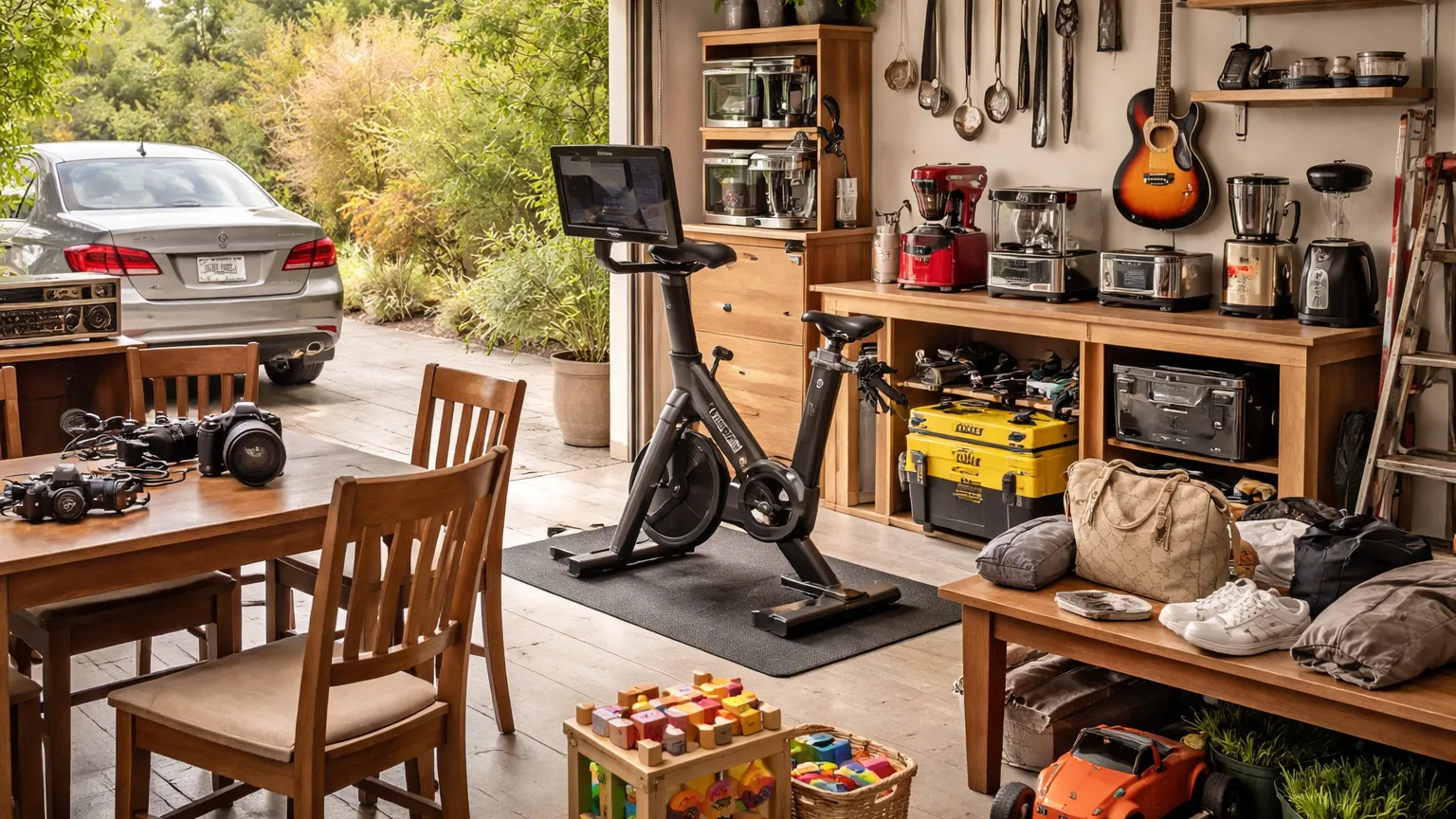
In a world increasingly defined by rapid consumption and “fast” everything, there is a quiet, sophisticated movement happening among savvy consumers. It’s the art of the second-hand find—specifically, the pursuit of high-quality used goods that offer a caliber of craftsmanship often missing from modern, mass-produced items. We’ve all felt that sting of “buyer’s remorse” after spending a fortune on something brand new, only to watch its value plummet the moment it leaves the showroom or the box. But what if you could flip the script? What if you could own the best of the best without the retail markup?
This guide isn’t about scouring thrift store bins for “junk.” It’s about a strategic approach to luxury and utility. We’re exploring how to identify items that are built to last multiple lifetimes, understanding the psychology of depreciation, and learning where to look for value. By the end of this article, you’ll see the pre-owned market not as a compromise, but as a premium gateway to a higher standard of living that respects both your bank account and the planet.
The Philosophy of Value Over Price
The secret to mastering the pre-owned market is understanding that “new” is often a temporary marketing psychological high, whereas “quality” is a permanent physical attribute. When we talk about high-quality used goods, we are looking for items where the original engineering or material choice was so superior that time has little effect on their performance. Whether you are furnishing a home or upgrading your hobby gear, the goal is to let someone else pay the “newness tax” while you reap the rewards of the item’s longevity.
Navigating the World of Depreciation-Heavy Luxury Vehicles
Perhaps nowhere is the “newness tax” more apparent than in the automotive world. We’ve all heard the old adage that a car loses a massive chunk of its value the moment it’s driven off the lot. For high-end luxury vehicles, this curve is even steeper. Brands like Lexus, BMW, or Mercedes-Benz are engineered to exacting standards, but their initial retail prices include a massive premium for the status of being the first owner.
When you look for a high-quality used vehicle, the “sweet spot” is usually the three-to-five-year mark. At this stage, the original owner has absorbed the most aggressive depreciation, yet the car often still features modern safety tech and a well-maintained interior. The key is to look for “Certified Pre-Owned” (CPO) programs which offer manufacturer-backed warranties, ensuring that your “used” car feels and performs like a flagship model for a fraction of the cost.
Sourcing Furniture That Tells a Story
In an era of particleboard and flat-pack furniture, solid wood pieces have become a true luxury. If you walk into a high-end furniture gallery today, a solid walnut dining table could easily cost more than a used compact car. However, the secondary market is teeming with “brown furniture”—high-quality used goods in the form of vintage pieces made of mahogany, oak, and cherry—that are often overlooked because they aren’t the “color of the season.”
Finding these pieces requires a keen eye for joinery rather than just finishes. Look for dovetail joints in drawers and heavy, solid frames. A vintage Henredon or Drexel piece found at an estate sale might have a few scratches, but unlike modern veneer furniture, it can be sanded down and refinished. Buying used furniture isn’t just a budget move; it’s an investment in heirloom quality that brings a sense of history and soul to your living space.
The High-End Kitchen: Refurbished and Ready
Kitchen appliances are another category where “professional-grade” makes a world of difference. A brand-new Vitamix blender or a KitchenAid Stand Mixer can be a significant investment. Fortunately, these brands know their products are tanks. Many manufacturers offer official refurbished programs where they take units with minor cosmetic flaws or open-box returns, strip them down, replace any worn parts, and sell them with a full warranty.
This is the most reliable way to secure high-quality used goods in the appliance category. You get the peace of mind of a brand-new motor with the price tag of a used unit. It’s a brilliant way to outfit a chef’s kitchen without the five-figure renovation bill.
Mastering Professional-Grade Photography Equipment
For the creatives and hobbyists, the pre-owned market is a goldmine. Professional photographers are notorious for being early adopters, constantly upgrading to the latest sensor technology. This creates a vibrant secondary market for “last year’s” flagship cameras and, more importantly, high-quality glass.
Lenses are the true stars here. While camera bodies (the brains) evolve quickly, a high-quality 70-200mm f/2.8 lens remains a masterpiece of optics for decades. Because professional photographers tend to treat their gear as essential tools, you can often find meticulously maintained equipment on dedicated platforms like MPB or KEH. You’re not just buying a camera; you’re buying the ability to capture professional-level images at a hobbyist’s entry price.
Investing in Certified Fitness Gear
We’ve all seen the “clothes rack” phenomenon—a high-end treadmill or exercise bike that becomes a place to hang laundry. This is why the used fitness market is so lucrative for the smart buyer. High-end brands like Peloton, Rogue Fitness, or Concept2 rowers are built for commercial-level abuse. When someone realizes they don’t have the space or the motivation for their home gym, these items hit the market at a massive discount.
The trick here is to focus on brands that have a reputation for durability and available replacement parts. A used set of iron dumbbells or a solid power rack doesn’t “wear out.” By purchasing pre-owned, you can build a gym that rivals a local fitness club for the cost of a few months’ membership fees.
Elevating Your Wardrobe with Designer Apparel
The fashion industry is one of the world’s largest polluters, which makes the rise of “re-commerce” both a financial and environmental win. High-quality used goods in the form of designer apparel—think Burberry trench coats, Hermès scarves, or Selvedge denim—are often constructed from materials that actually look better with a bit of wear.
Platforms that offer authentication services have revolutionized this space. You no longer have to worry about “fakes” at a flea market. Instead, you can curate a capsule wardrobe of timeless, high-end pieces that would be unattainable at retail prices. It’s about choosing a well-made, pre-owned wool coat that will last a decade over a synthetic “fast fashion” jacket that will fall apart in six months.
The Timeless Appeal of Vintage Audio and Instruments
There is a certain “warmth” to analog sound that modern digital speakers struggle to replicate. For audiophiles, hunting for vintage high-fidelity systems—think Marantz receivers or Thorens turntables—is a passion project. These items were built during the golden age of audio engineering, and when paired with modern speakers, they offer a listening experience that is both aesthetic and acoustic perfection.
The same logic applies to musical instruments. A seasoned acoustic guitar often sounds better than a brand-new one because the wood has had time to “open up” and vibrate. Whether you’re looking for a professional-grade Fender Stratocaster or a Yamaha upright piano, the used market allows you to own an instrument with character and a superior tonal profile.
Practical Tips for the High-Quality Hunter
Finding these gems requires a blend of patience and preparation. Here is how you can ensure your “find” is actually a steal:
-
Research the “Legacy” Models: Before buying, find out which specific years or models of a product were considered the “gold standard.”
-
Check for Serviceability: Can the item be repaired? High-quality goods are usually designed to be taken apart and fixed, not thrown away.
-
Verify Provenance: Especially for electronics or luxury goods, ask for original receipts, boxes, or service records.
-
Use Specialized Platforms: Avoid generic marketplaces for highly technical gear. Use niche sites where sellers are enthusiasts who know how to pack and ship sensitive items.
-
The “Smell and Feel” Test: For furniture and clothing, your senses are your best tools. Avoid anything with a musty odor or signs of structural “hollowness.”
A Sustainable Future in Every Purchase
At its core, seeking out high-quality used goods is a lifestyle choice that rejects the “disposable” culture of the modern era. It’s a way to surround yourself with excellence while being a steward of your own finances and the environment. Every time you choose a refurbished appliance or a vintage wooden desk over a cheap plastic alternative, you are voting for craftsmanship and durability.
The thrill of the hunt is just the beginning. The real reward is the long-term satisfaction of using something that was built to be the best. So, before you click “buy now” on that latest trending item, take a moment to look back. The “premium” version you’ve always wanted might already be out there, waiting for its second act in your home.