
The digital landscape is shifting beneath our feet. Only a few years ago, having a well-organized website was the finish line for most businesses. Today, that same website is just one small piece of a much larger puzzle. Between mobile applications, smartwatches, voice assistants, and interactive kiosks, the ways we consume information have multiplied. This evolution has left many traditional content management systems struggling to keep up, giving rise to a more agile and sophisticated solution: the Headless CMS.
If you have ever felt restricted by the rigid templates of a standard website builder or frustrated by the need to copy and paste the same content across three different platforms, you are not alone. Modern digital storytelling requires a system that is as flexible as the devices we use. Transitioning to a headless architecture is often the turning point where a brand moves from simply “having a site” to truly “managing an ecosystem.”
Understanding the Essence of a Headless CMS
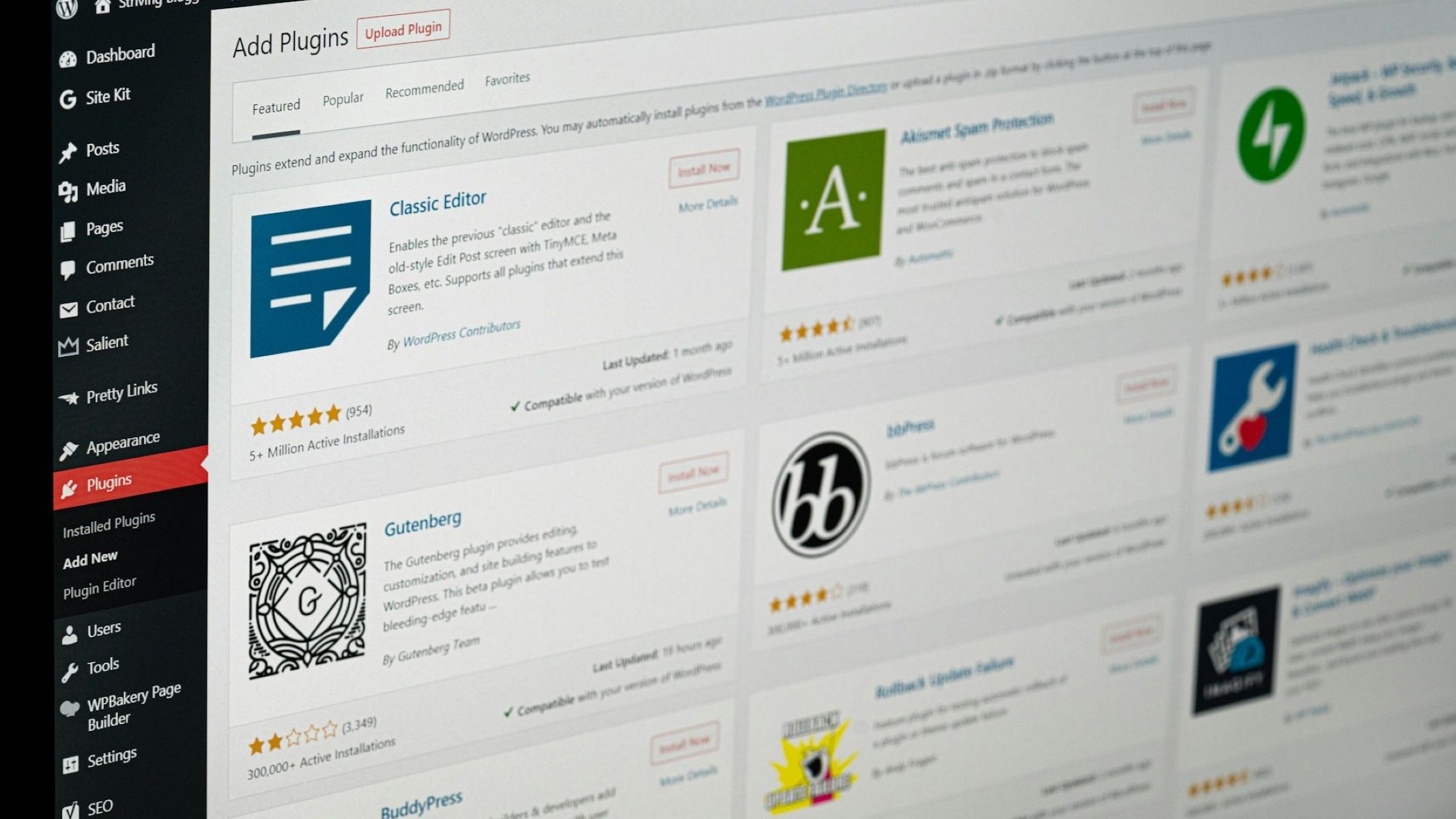
To understand what a Headless CMS actually is, it helps to imagine a traditional CMS—like the classic versions of WordPress—as a body where the head is permanently attached. The “body” is where you store and organize your articles and images, while the “head” is the front-end website that visitors see. In this old-school model, the two are inseparable; if you want to change the head, you often have to rearrange the entire body.
A Headless CMS effectively “decapitates” this setup. It serves as a backend-only content repository that acts as a central hub for all your data. Because the presentation layer is removed, the content exists as pure, structured information. This allows the data to be delivered via APIs to any “head” imaginable, whether that is a high-speed website, a sleek mobile app, or even an IoT device. By decoupling content creation from its visual presentation, your team gains the freedom to manage information in one place while developers build the perfect user interface for every specific platform.
The Power of Decoupled Architecture
The primary shift when moving to a Headless CMS is the transition to a decoupled architecture. In a traditional setup, the backend and frontend are tightly intertwined, meaning every design tweak or structural change requires navigating the same complex system. When you separate these two layers, you create a cleaner environment for everyone involved.
Content creators can focus entirely on the quality and structure of the narrative without worrying about how it will look on a specific screen. Meanwhile, the technical team can focus on the performance and aesthetics of the user interface. This separation of concerns ensures that neither side is a bottleneck for the other. It fosters a collaborative environment where updates can happen simultaneously, speeding up the production cycle and allowing for a more iterative, creative approach to digital growth.
An API-First Strategy for Omnichannel Success
In the modern era, the “omnichannel” approach is no longer a luxury; it is a necessity. Customers expect a seamless experience whether they are browsing on a desktop at work or checking an app on their commute. A Headless CMS handles this through an API-first approach. Instead of rendering a webpage and sending it to a browser, the system provides content as raw data through RESTful or GraphQL APIs.
This means your content becomes “platform-agnostic.” Because the data is delivered in a universal format, it can be consumed by any device that can talk to an API. This eliminates the need for redundant work. You write a product description once in your Headless CMS, and it automatically updates on your e-commerce site, your mobile app, and your digital storefront displays all at once. It is the ultimate “write once, publish everywhere” solution.
Unlocking Unprecedented Developer Freedom
One of the most liberating aspects of a Headless CMS is the freedom it grants to developers. In a traditional system, developers are often forced to use specific programming languages or templating engines dictated by the CMS. If the CMS is built on PHP, the developer must work within those confines, even if a newer, faster technology would be better for the project.
With a headless approach, those chains are broken. Developers are free to use modern frameworks like React, Vue, or Angular to build the frontend. They can choose the best tools for the job, ensuring the final product is as fast and responsive as possible. This flexibility not only attracts top-tier talent who want to work with the latest tech stacks but also ensures that your digital presence is built on a foundation that won’t become obsolete in a few years.
Storing Content as Flexible Raw Data
Because a Headless CMS does not assume how content will look, it stores information in structured, raw formats like JSON. Unlike a traditional system that might store an entire blog post as a giant block of HTML code, a headless system breaks it down into distinct pieces: the headline, the author name, the body text, and the metadata.
This granular storage method makes your content incredibly reusable. When content is stored as raw data, it is easy to filter, sort, and reformat on the fly. You can pull just the headlines for a sidebar widget or the full text for a deep-dive article without any extra formatting baggage. This structural integrity ensures that your data remains clean and organized, regardless of how many different “heads” you decide to attach to it in the future.
Scaling and Securing the Digital Frontier
Beyond flexibility, a Headless CMS offers significant advantages in terms of performance and security. Because the frontend is hosted separately from the CMS backend, the public-facing side of your digital presence is much harder to exploit. Traditional CMS platforms are often targets for hackers because the database and the display layer are connected; if someone finds a hole in a plugin, they can often access the entire system. In a headless setup, the backend is hidden behind an API, drastically reducing the attack surface.
Furthermore, scalability becomes much more manageable. If your website experiences a massive spike in traffic, you can scale your frontend delivery—perhaps using a JAMstack architecture—without needing to worry about the database crashing. Popular solutions such as Contentful, Strapi, and Sanity have proven that this model can handle enterprise-level demands while maintaining the agility of a startup.
Adopting a Headless CMS is more than just a technical upgrade; it is a commitment to a more open and adaptable way of communicating with your audience. By removing the constraints of traditional web design, you empower your creative team to think bigger and your technical team to build faster. It is a transition that acknowledges the reality of our multi-device world and prepares your brand for whatever new technology might emerge next.
In the end, the most valuable asset any brand has is its story. By using a system that treats content as a fluid, reusable resource, you ensure that your story can be told anywhere, at any time, with perfect clarity.