
In an era where travel often feels like a race to check off landmarks and capture the perfect social media post, a quieter but more profound movement is taking hold. Travelers are increasingly seeking depth over distance, choosing to linger in one place rather than rushing through ten. This shift has given rise to the community-based slowcations movement, a travel philosophy that combines the unhurried pace of “slow travel” with a deep commitment to the social and economic health of local neighborhoods. Instead of being mere observers, visitors become temporary residents who contribute to the fabric of the places they visit.
Understanding Community-Based Slowcations
Before exploring the various ways this movement is changing the landscape of modern tourism, it is helpful to define what a slow-paced, locally-integrated stay actually entails. At its core, this model refers to an extended stay in a specific destination where the primary goal is meaningful integration into the local ecosystem. Unlike traditional vacations that rely on isolated resorts or global hotel chains, community-based slowcations prioritize local homestays, community-led initiatives, and collaborative projects. It is a form of travel that treats the destination not as a backdrop for a holiday, but as a living partner in a shared experience of growth and exchange.
1. Prioritize Authentic Local Community Engagement
The foundation of any successful community-based slowcations experience is the shift from being a tourist to becoming a neighbor. This model encourages travelers to move beyond the “must-see” lists and instead focus on the “must-meet” people. By staying in a single location for weeks rather than days, visitors have the opportunity to frequent the same local cafes, learn the names of the shopkeepers, and understand the daily rhythms of the area.
This engagement creates a bridge between different cultures that is often missing in fast-paced travel. When we take the time to sit and listen, we begin to understand the nuances of a community’s history and its future aspirations. This level of intimacy fosters a sense of mutual respect, ensuring that the presence of a traveler is seen as a welcome addition to the neighborhood.
2. Support Sustainable Small-Scale Food Production
Food is often the most direct way we connect with a new culture, but a slowcation takes this connection a step further by focusing on the source. Many innovative models now involve travelers in the lifecycle of local food systems. This might mean participating in a community-supported agriculture (CSA) program or shopping exclusively at farmers’ markets that support regenerative practices.
By choosing to support small-scale producers during your community-based slowcations, you help protect the biodiversity of the region and ensure that traditional farming methods remain viable. There is a quiet joy in knowing exactly where your dinner came from and meeting the hands that grew it. This practice doesn’t just nourish the body; it strengthens the local economy and promotes a more sustainable way of living.
3. Participate in Traditional Cultural Preservation
Cultural heritage is a living thing, and it requires active participation to thrive. Modern community-based slowcations often feature opportunities for travelers to learn traditional crafts, languages, or cooking techniques directly from local experts. These are not staged performances for tourists, but genuine workshops designed to pass down knowledge that might otherwise be lost to time.
When a traveler spends time learning the intricate patterns of local weaving or the stories behind regional music, they are contributing to the “cultural capital” of the community. This interaction provides a financial incentive for younger generations to maintain these traditions while offering the traveler a deep, reflective understanding of the human spirit’s creativity.
4. Engage in Collaborative Village Infrastructure
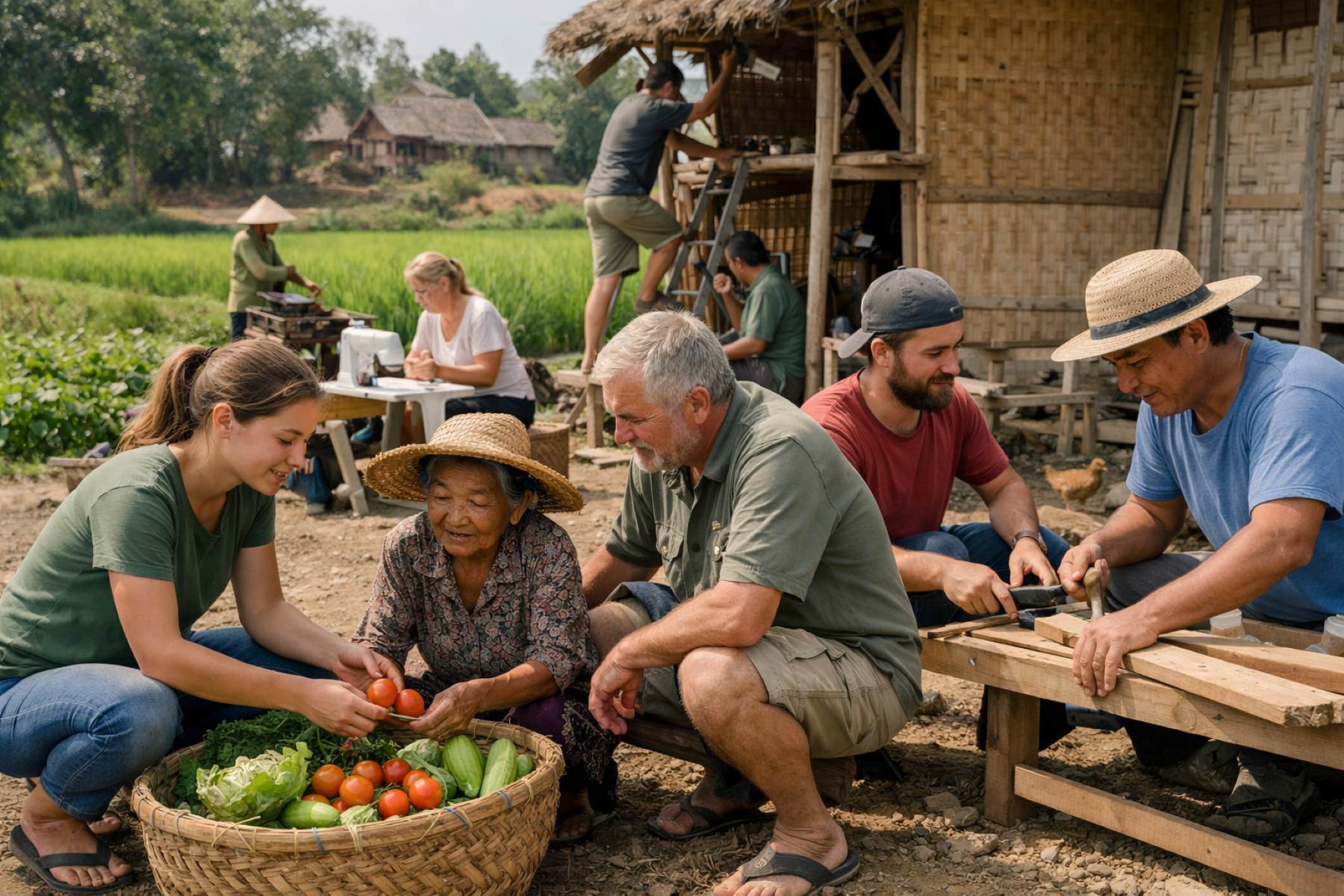
For those staying in more rural or developing areas, a slowcation can involve contributing to the physical well-being of the village. This doesn’t necessarily mean heavy construction, but rather engaging in collaborative projects like communal gardening, improving local signage, or helping maintain public spaces. These activities are always led by the community’s needs and desires rather than the visitor’s assumptions.
Working side-by-side with locals on a shared project breaks down barriers in a way that leisure activities never can. It fosters a sense of shared ownership and pride. When a traveler helps clear a trail or paint a community center, they leave behind a tangible benefit that serves the residents long after they have returned home.
5. Exchange Professional Skills with Locals
One of the most innovative aspects of the modern community-based slowcations model is “skill-sharing.” Many travelers possess professional expertise—whether in photography, digital marketing, accounting, or education—that can be incredibly valuable to local entrepreneurs or non-profits. Rather than just spending money, slowcationers can spend their talents to help a local business scale its operations or assist a school with a new curriculum.
This exchange is never one-sided. While the local community gains specialized knowledge, the traveler gains a unique perspective on how their skills apply in different cultural and economic contexts. It is a professional and personal enrichment that feels far more rewarding than a standard sightseeing tour.
6. Foster Long-Term Regional Economic Growth
Traditional tourism often sees a “leakage” effect, where much of the money spent by travelers leaves the destination to go to international corporations. Community-based slowcations are specifically designed to plug those leaks. By staying in locally-owned guesthouses, hiring local guides, and buying from independent artisans, the economic impact remains within the community.
Because these stays are longer in duration, they provide a more stable and predictable source of income for local families. This stability allows small businesses to plan for the future, invest in their employees, and improve their services. Over time, this consistent support can lead to significant regional growth and economic justice.
7. Promote Ethical Social Responsibility Standards
Finally, the rise of community-based slowcations has pushed the travel industry toward higher ethical standards. Travelers are now more conscious of their “social footprint.” They are asking questions about fair wages, environmental impact, and the dignity of the people they interact with. This model encourages transparency and accountability, ensuring that travel remains a force for good.
Adopting these standards means respecting local customs, being mindful of resource consumption, and ensuring that our presence does not displace or disrupt the lives of residents. It is about traveling with a conscience. When we prioritize ethics over convenience, we create a travel culture that is more compassionate and sustainable.
The beauty of community-based slowcations lies in their ability to transform both the traveler and the destination. By slowing down, we allow ourselves to see the world not as a collection of sights, but as a tapestry of stories and relationships. This approach to travel reminds us that our greatest adventures often happen in the quiet moments of shared labor, shared meals, and shared understanding.
As we look toward the future of global exploration, the move toward meaningful social collaboration offers a hopeful path. It suggests that we can see the world without exhausting it, and that we can visit new places while leaving them better than we found them.