

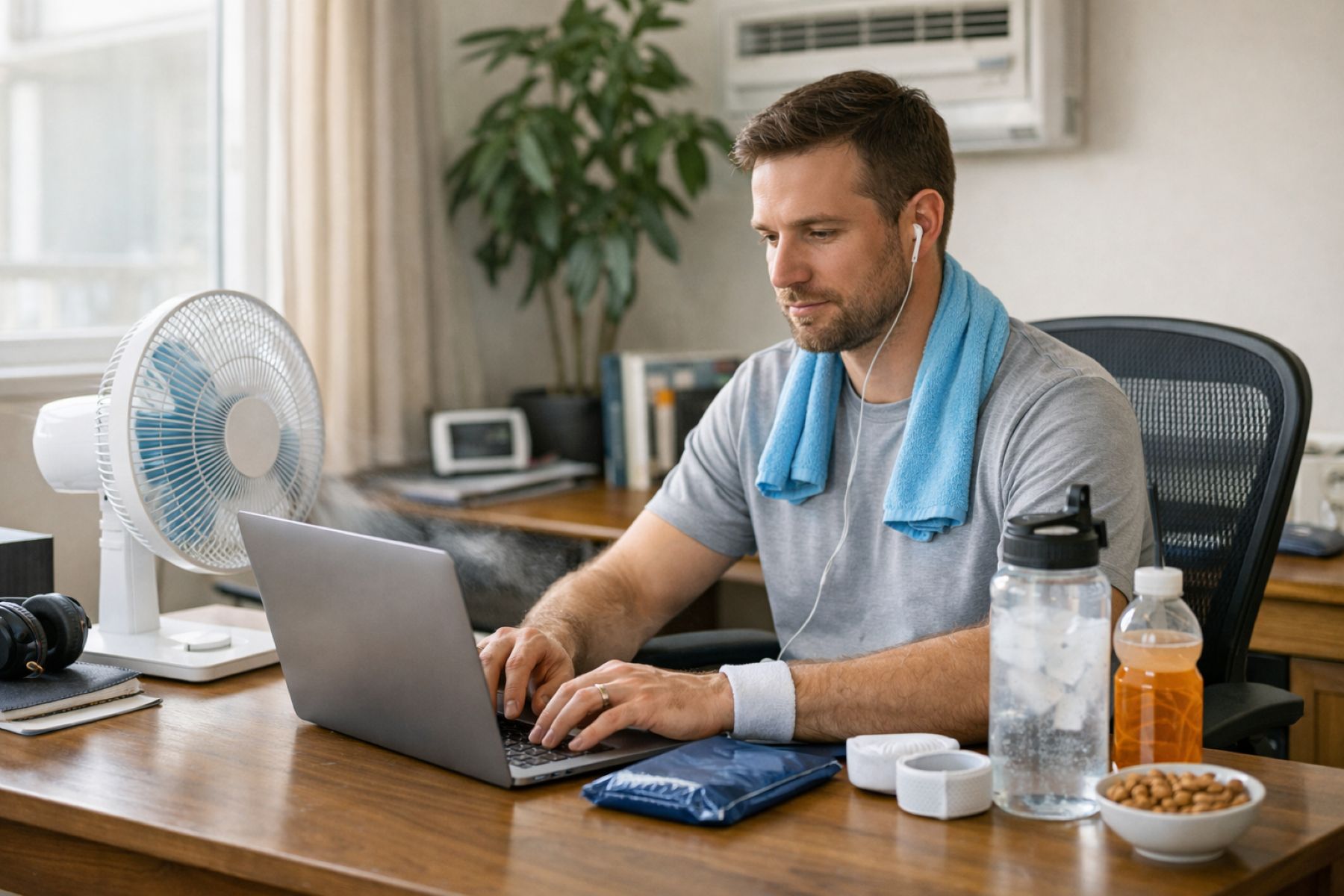
As global temperatures continue to climb, the traditional methods of simply “toughing it out” under a desk fan are no longer sufficient for those who demand high performance. We often think of summer as a season of leisure, but for the modern professional, it presents a unique physiological challenge. Heat hacking is the proactive practice of optimizing your environment and biological response to high temperatures, ensuring that your cognitive clarity doesn’t melt away when the mercury rises. By understanding how our bodies interact with thermal stress, we can transform a sweltering afternoon into a window of focused, high-value output.
Defining the Concept of Heat Hacking
Before we dive into the specific methods, it is helpful to define what heat hacking actually entails in a modern context. At its core, this approach is a subset of biohacking focused on thermoregulation. It involves using a combination of environmental adjustments, physiological triggers, and technology to maintain a stable internal body temperature. Instead of relying solely on centralized air conditioning—which can be dehydrating and expensive—successful heat hacking looks at the “marginal gains” of cooling, from the molecular level of electrolytes to the physics of airflow in a home office.
1. Optimize Workspace Airflow Circulation
The first step in any effective heat hacking routine begins with the physics of your immediate environment. Many of us make the mistake of simply pointing a fan directly at our faces, which can lead to dry eyes and skin irritation without actually lowering the room’s temperature. True optimization involves creating a cross-breeze that flushes out stagnant, warm air.
If you are working in a room with windows, placing an exhaust fan facing outward on the leeward side of the building can pull hot air out, while a secondary fan pulls cooler air in from the shaded side of the structure. This method relies on the principle of air exchange rather than just air movement.
2. Implement Strategic Cold Exposure Therapy
While the idea of a cold shower might seem daunting, strategic cold exposure is one of the most powerful heat hacking tools available for an immediate reset. You don’t necessarily need to submerge yourself in an ice bath to reap the benefits. Instead, focusing on “pulse points” where blood vessels are closest to the skin—such as the wrists, neck, and ankles—can rapidly lower your perceived temperature.
For those who want to take it a step further, a lukewarm shower is often more effective than a freezing one. Extremely cold water can cause your blood vessels to constrict and your body to actually generate more heat to compensate for the shock. By using water that is just below body temperature, you encourage vasodilation, which allows your body to offload heat more naturally.
3. Schedule Deep Work for Maximum Heat Hacking
One of the most overlooked aspects of heat hacking is the synchronization of your task list with the daily temperature cycle. Our cognitive load capacity tends to diminish as our core body temperature rises in the late afternoon. To combat this, professionals shift their most demanding “deep work” tasks to the earliest hours of the morning.
During these hours, the ambient temperature is at its lowest, and your brain is naturally more resilient to thermal stress. As the day progresses and the heat intensifies, you can transition into “shallow work” or administrative tasks. This approach reduces the frustration of trying to solve complex problems while feeling physically drained, effectively protecting your mental energy.
4. Utilize Advanced Moisture Wicking Fabrics
What you wear acts as the primary interface between your body and the environment. Traditional cotton may feel soft, but it is a poor choice for heat hacking because it absorbs moisture and holds it against your skin, eventually becoming heavy and stifling. Modern moisture-wicking fabrics are designed to pull sweat away from the body to the surface of the fabric where it can evaporate quickly.
| Fabric Type | Breathability | Moisture Management | Best Use Case |
| Cotton | High | Poor (Absorbs) | Casual/Dry climates |
| Merino Wool | High | Excellent (Wicks) | Active/Professional |
| Polyester Blends | Medium | Superior (Quick-dry) | High intensity/Humidity |
5. Execute Precision Hydration Electrolyte Protocols
Hydration is about more than just drinking gallons of plain water. In fact, over-hydrating with pure water during extreme heat can lead to a dilution of essential salts in your bloodstream. To master heat hacking on a molecular level, you must use precision hydration. This involves replacing the sodium, potassium, and magnesium lost through perspiration.
A well-hydrated body is much more efficient at thermoregulation. When your blood volume is maintained through proper electrolyte balance, your heart doesn’t have to work as hard to pump blood to the surface of your skin for cooling. You will likely find that your focus remains sharp for much longer when your hydration protocol is handled with professional precision.
6. Deploy Smart Targeted Cooling Technology
In the modern era, we have access to impressive technological tools that can assist in our heat hacking efforts. Targeted cooling devices, such as wearable neck fans or “chill pads” for your office chair, provide localized relief where it matters most. These devices are particularly effective because they target areas of the body that are highly sensitive to temperature changes.
Furthermore, smart thermostats and automated blinds can be programmed to “pre-cool” your environment. By closing blinds early in the morning to block out solar gain, you can keep your workspace several degrees cooler without ever touching the AC dial.
7. Adjust Caloric Intake For Thermogenesis
Finally, heat hacking extends to your plate. Every time we eat, our bodies generate heat through a process called diet-induced thermogenesis. High-protein meals and heavy fats require significant energy to break down, which can raise your internal temperature.
During extreme summer weather, many people find success by shifting toward smaller, more frequent meals rich in hydrating fruits and vegetables. Foods with high water content, like cucumbers and melons, provide a dual benefit: they are easy to digest and contribute to your hydration. Interestingly, spicy foods are also a traditional hack; the capsaicin triggers a sweat response which, as we’ve discussed, is the body’s most effective way to cool down.
Mastering the art of heat hacking is about more than just comfort; it is about reclaiming your productivity and well-being during the most challenging months of the year. By combining environmental optimizations with physiological strategies like precision hydration and cold exposure, you create a comprehensive shield against thermal stress. These small, intentional adjustments allow you to maintain a high level of performance while others are struggling to keep up.