
In the high-speed world of modern software development, we often take for granted how a few lines of elegant code transform into a functioning application. We write in languages that look remarkably like English—full of logic, intent, and structure—but the machines powering our world only speak a language of electrical pulses and binary sequences. Bridging this vast gap is an unsung hero of the digital age: the compiler. While we enjoy the luxury of high-level programming, the compiler works tirelessly behind the scenes to ensure our human ideas are translated into machine-level reality with absolute precision.
Understanding the Essential Role of the Compiler
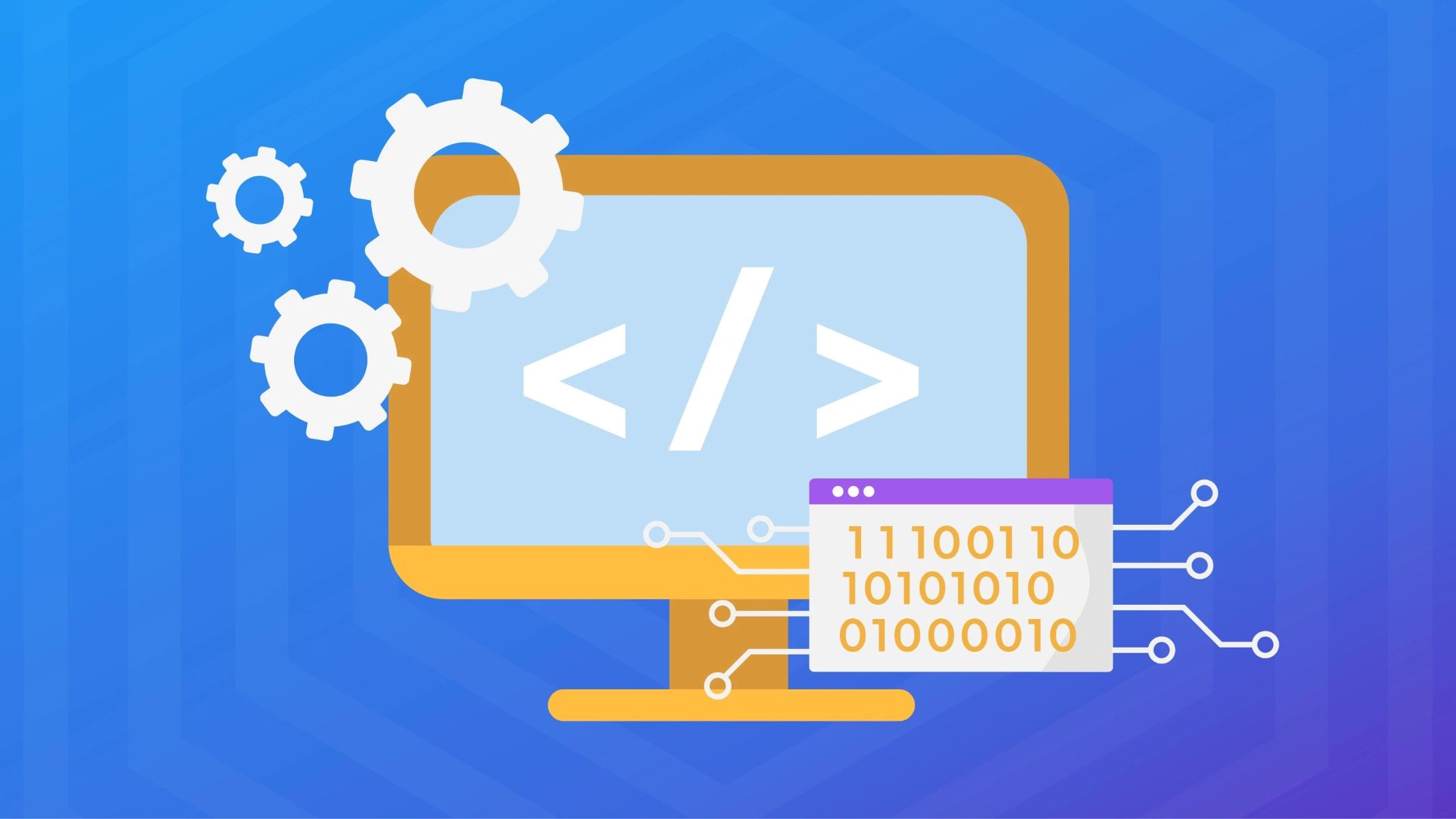
At its most fundamental level, a compiler is a sophisticated piece of software that translates source code written in a high-level language, such as C++, Java, or Rust, into a lower-level language that a computer’s processor can execute directly. You can think of it as a master translator who doesn’t just swap words one-for-one but deeply understands the nuances, grammar, and intent of the original text to recreate it perfectly in a different tongue. Without this translation process, the powerful software we use daily—from mobile apps to complex cloud systems—would simply be a collection of unreadable text files.
The Intricate Journey from Source Code to Execution
The magic of a compiler begins with a phase called lexical analysis. During this stage, the compiler scans your code and breaks it down into “tokens,” which are the smallest meaningful units like keywords, operators, and identifiers. It is essentially the process of identifying the “words” in your sentence. Once these tokens are identified, the compiler moves into syntax analysis, where it checks if these tokens follow the grammatical rules of the programming language. If you have ever missed a semicolon or misplaced a bracket, it is during this phase that the compiler catches the error and alerts you, preventing the program from running in a broken state.
Once the structure is verified, the compiler doesn’t just spit out machine code immediately. It often generates an intermediate representation of the logic. This is where the true “intelligence” of a modern compiler shines through. It performs various optimizations to make the code run faster or consume less memory. It might reorder operations for better efficiency or remove redundant calculations that don’t affect the final outcome. This optimization ensures that even if a developer writes code that is slightly inefficient, the final product delivered to the user is as lean and fast as possible.
Bridging the Gap Between Logic and Hardware
One of the most significant reasons programmers remain so dependent on compilers is their ability to handle hardware complexity. Every processor architecture has its own specific set of instructions. Writing code directly for these processors—known as Assembly language—is an incredibly tedious and error-prone task. Compilers act as a vital abstraction layer. They allow a developer to write a single version of their logic in a language like C, and then use different compilers to translate that same logic for an Intel chip, an ARM processor in a smartphone, or a specialized server CPU.
This portability is what allowed the software industry to explode. It freed programmers from the shackles of specific hardware constraints and let them focus on solving human problems through logic. The compiler takes on the heavy lifting of understanding registers, memory addresses, and instruction sets, leaving the human creator free to design better user experiences and more robust systems. It is a partnership where the human provides the “what” and the compiler determines the most efficient “how.”
Enhancing Security and Stability Through Compilation
Beyond simple translation, modern compilers are the first line of defense in software security. Because the compiler analyzes the entire program before it ever runs, it can detect many types of vulnerabilities that might otherwise slip through. Static analysis tools built into compilers can identify potential memory leaks, buffer overflows, or type mismatches that could lead to crashes or security breaches. By catching these issues early in the development cycle, compilers save countless hours of debugging and protect end-users from unstable software.
In the context of modern safety-critical languages like Rust, the compiler takes an even more active role. It enforces strict rules about how data is shared and accessed, virtually eliminating entire categories of common programming errors. This shift has turned the compiler from a simple tool into a mentor of sorts—it guides the developer toward writing safer, more reliable code by refusing to compile anything that doesn’t meet its high-quality standards.
Why the Future of Programming Still Belongs to Compilers
As we move toward an era of Artificial Intelligence and increasingly complex cloud infrastructures, the role of the compiler is evolving rather than fading. We are seeing the rise of “Just-In-Time” (JIT) compilers that optimize code while it is actually running, and specialized compilers designed for machine learning hardware. Even as we experiment with no-code or low-code platforms, there is always a compiler at the bottom of the stack, turning those visual blocks back into the binary reality that hardware demands.
The dependency we have on compilers is a testament to their success. They have become so reliable and efficient that we often forget they are there, much like the foundation of a house. For the modern programmer, the compiler is not just a utility; it is a sophisticated partner that ensures our creative visions are translated into a high-performance, secure, and universal language that the digital world can understand.