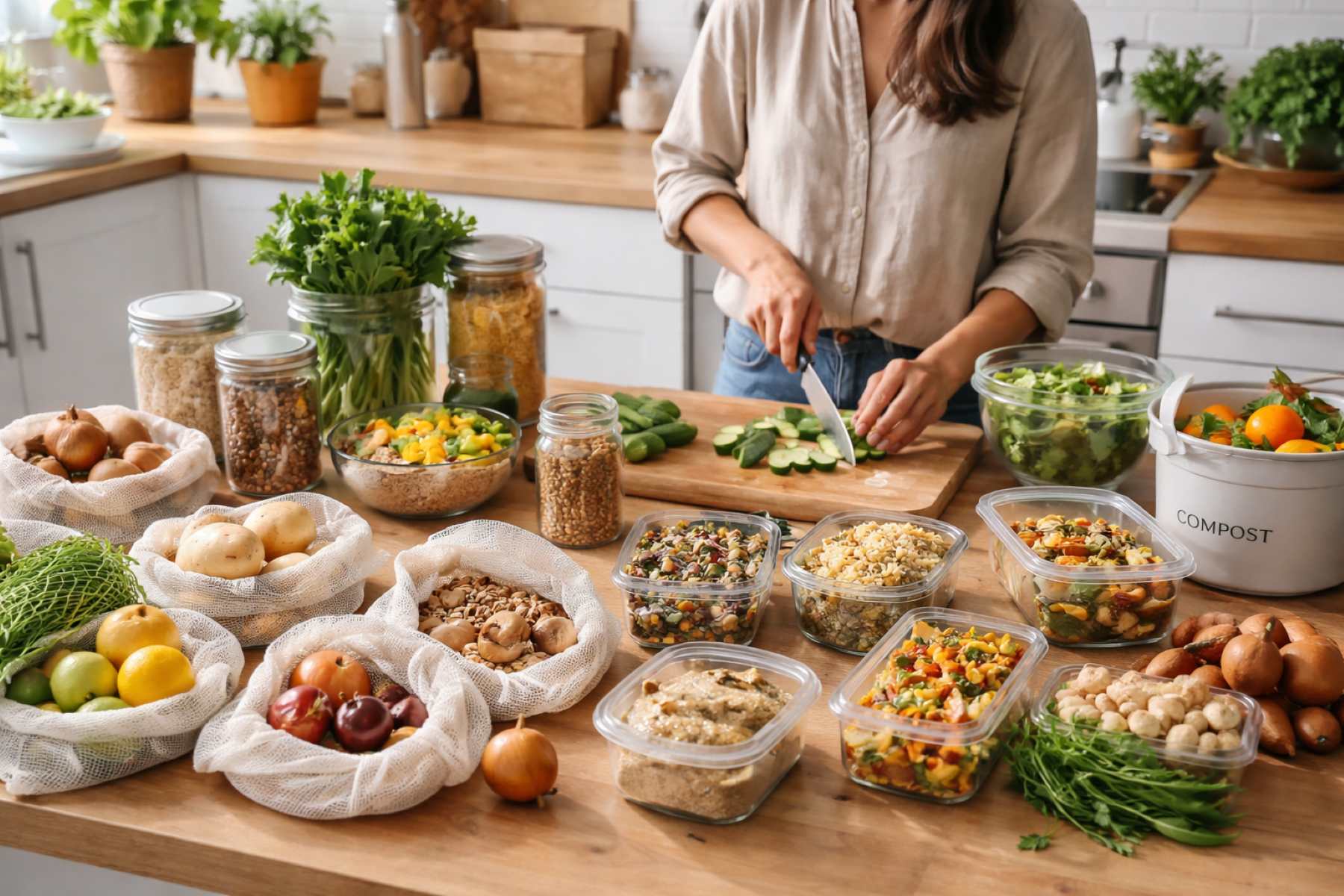
Zero-waste meal prep is far more than just a trendy hashtag or a collection of aesthetically pleasing glass jars lined up in a refrigerator; it is a fundamental shift from a linear “buy-use-dispose” mindset to a circular “plan-store-reuse” system. In a world where convenience often comes wrapped in three layers of plastic, choosing to manage your kitchen sustainably is a radical act of care for both your wallet and the planet. By strategically planning meals, investing in eco-friendly storage, and learning the art of repurposing every single scrap, you can significantly reduce food waste and minimize plastic consumption without sacrificing the flavor or variety of your daily diet.
The Psychology of the Modern Kitchen
We have been conditioned to believe that a “stocked” kitchen is a successful one. We wander through grocery aisles, seduced by deals and perfectly misted produce, only to find those same vegetables liquefying in the crisper drawer five days later. The heart of sustainable kitchen management isn’t about buying more “green” products; it’s about buying less and using what you have more effectively. When we approach meal prepping through a zero-waste lens, we stop looking at leftovers as “old food” and start seeing them as “prepped ingredients” for the next culinary creation.
The Foundation of Strategic Meal Planning
Every successful eco-friendly journey begins long before you step foot in a grocery store. If you head to the market without a plan, you are essentially inviting waste into your home. The first step is a comprehensive audit of your pantry and fridge. By knowing exactly what you have, you avoid the redundant purchases that lead to clutter and eventual spoilage.
To make this lifestyle stick, especially for a younger, busier demographic, you need a system that doesn’t feel like a second job. Implementing theme nights—like “Taco Tuesdays”—is a fantastic way to simplify the cognitive load of planning while ensuring your zero-waste meal prep remains flexible. Another life-changing hack is the “Eat First” shelf. Designate an eye-level area in your fridge for items nearing their expiration date. This simple visual cue tells you exactly what needs your attention, preventing the “out of sight, out of mind” tragedy that claims so many bags of spinach.
Conscious Sourcing and the Art of the Bulk Buy
When you finally do head out to shop, the goal is to bypass the plastic-wrapped convenience culture. Shopping seasonally is one of the most impactful choices you can make. Local, in-season produce hasn’t traveled thousands of miles, meaning it has a much smaller carbon footprint and usually comes with far less packaging.
If you have access to a bulk store, use it. Buying grains, nuts, and spices in bulk using your own reusable containers eliminates a staggering amount of single-use plastic. It also allows you to buy exactly the amount you need, ensuring that rare spices don’t sit in your cabinet for years.
Masterful Zero-Waste Meal Prep Techniques
The traditional “meal prep” often involves cooking five identical portions of the same dish, leading to mid-week boredom and eventual food waste. A more sustainable and engaging approach is Batch Component Prep.
Instead of assembling full meals, focus on prepping flexible building blocks. Roast a tray of seasonal vegetables, cook a large pot of grains, and whip up a versatile dressing. Throughout the week, you can combine these components in different ways—a grain bowl for lunch or a wrap for dinner. To truly master the philosophy, you must learn to cook from “root to stem.” Carrot tops make incredible pesto, and broccoli stems are delicious when sliced into stir-fries. Nothing is “trash” until you’ve exhausted its potential.
The Freezer as Your Best Friend
Strategic freezing is the ultimate safety net for a sustainable kitchen. If you notice fresh herbs turning, chop them into ice cube trays with olive oil for future flavor bombs. Perhaps the most rewarding habit is the “scrap bag.” Keep a container in your freezer for onion skins, carrot ends, and mushroom stems. Once full, simmer them for a homemade, nutrient-dense vegetable stock that puts store-bought cartons to shame.
Revolutionizing Your Storage and Organization
The way you store your food directly impacts its longevity. Transitioning to glass jars is a game-changer for visibility; when you can see your food, you’re much more likely to eat it. For items that don’t fit in jars, beeswax wraps are a stunning, biodegradable alternative to cling film.
Organizationally, the “FIFO” method (First In, First Out) is the gold standard. When you bring home new groceries, move the older items to the front. It’s a simple physical habit that ensures you’re always rotating through your stock before things lose their luster.
The Art of the Creative Reinvention
In a zero-waste meal prep routine, the “leftover” is a prized asset. Once a week, try a “Kitchen Sink” dinner to clear out the fridge. For those who crave variety, the secret is reinvention. Leftover roasted vegetables become the base for a frittata, and extra rice becomes the starting point for a 10-minute fried rice. Even old bread can find a second life as golden, garlicky croutons.
Closing the Loop: Managing Unavoidable Waste
Even with meticulous planning, some waste is unavoidable. This is where composting comes in. Composting isn’t just for backyards; modern indoor bins make it possible even in small apartments, turning “waste” back into nutrient-rich soil. You can even try regrowing veggies like green onions or celery in a shallow dish of water on a sunny windowsill—a tiny, domestic miracle that provides a continuous harvest.
Why Your Choices Matter
Transitioning to a zero-waste meal prep lifestyle isn’t about achieving a state of “perfection.” It’s about the cumulative impact of intentional choices—the hundreds of plastic bags you didn’t use and the pounds of food you didn’t throw away.
When you manage your kitchen sustainably, you’re reclaiming your relationship with food and valuing the resources that went into growing it. So, start small. Pick one habit this week and watch how quickly your kitchen transforms from a place of consumption to a place of conservation.