
The digital landscape is shifting toward hyper-relevance, where the gap between the physical world and our digital devices continues to narrow. One of the most powerful tools bridging this gap is geofencing. While most people recognize it as that “creepy” notification that pops up when they walk past a coffee shop, the actual utility of this technology runs much deeper. Geofencing is no longer just a gimmick for pushing discount codes; it has evolved into a sophisticated tool for operational efficiency, safety, and community building.
By setting up a virtual perimeter around a specific geographic area, businesses and organizations can trigger automated actions when a mobile device enters or exits that boundary. While the commercial applications are obvious, the strategic advantages often go unnoticed by the general public. Understanding these nuances helps us appreciate how technology can serve us more intuitively in our daily lives.
Understanding the Essence of Geofencing Technology
To appreciate its deeper benefits, we must first define what geofencing actually is in a modern context. At its core, geofencing is a location-based service that uses Global Positioning System (GPS), Radio Frequency Identification (RFID), Wi-Fi, or cellular data to trigger a pre-programmed action. This action occurs when a mobile device or tag enters or exits a virtual boundary set up around a real-world geographical area.
Unlike general GPS tracking, which is passive, geofencing is active and event-driven. It creates a “smart” zone that understands context. For instance, it doesn’t just know where you are; it knows that you have arrived at a specific destination and can initiate a sequence of events—like turning on the lights in a smart home or checking a shipment into a warehouse—without any manual input from the user.
1. Optimizing Logistics and Supply Chain Transparency
One of the most significant yet quiet revolutions in geofencing is happening within the logistics industry. We often think of shipping as a black box—something leaves a warehouse and eventually arrives at our door. However, geofencing provides a level of granular transparency that was previously impossible. When a delivery truck enters a geofenced “loading zone,” the system can automatically update the inventory software, alert the receiving team to prepare for offloading, and send a precise ETA to the end customer.
This automation removes the margin for human error. Drivers no longer need to manually “check-in” via a mobile app or paperwork, which saves time and improves safety by keeping their focus on the road. For the business, this means a massive reduction in administrative overhead and a more predictable flow of goods, which ultimately lowers costs for everyone involved in the chain.
2. Enhancing Public Safety and Emergency Response
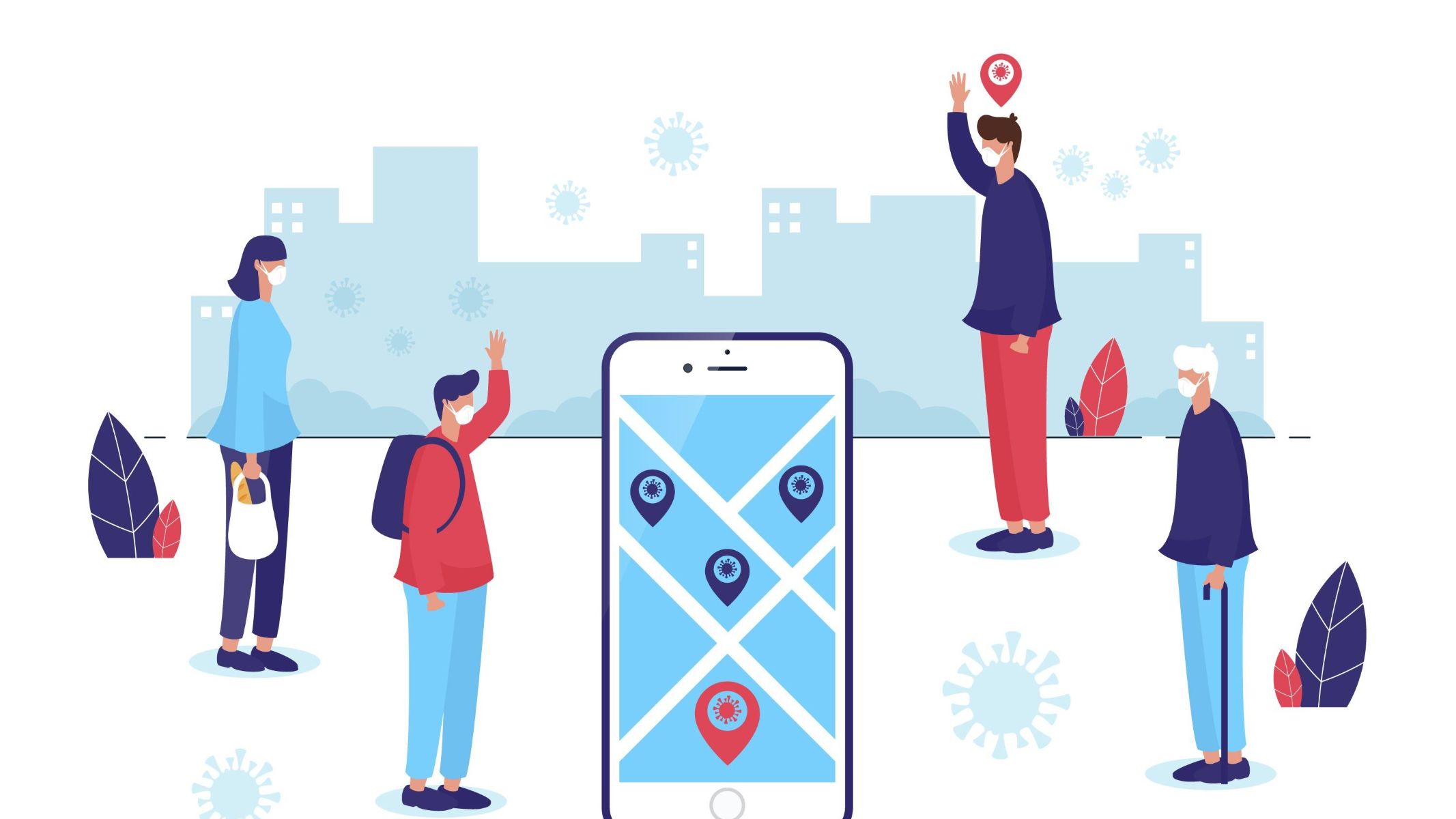
In the realm of public service, geofencing serves as a vital tool for keeping people safe during unpredictable events. Emergency services can use geofenced zones to send targeted alerts to people within a specific high-risk area, such as during a localized flood or a gas leak. Instead of broadcasting a message to an entire city—which can cause unnecessary panic—authorities can communicate exclusively with those who are in immediate proximity to the danger.
Furthermore, geofencing is increasingly used in “lone worker” safety protocols. For individuals working in remote or hazardous environments, a geofence can act as a digital safety net. If a worker fails to exit a dangerous zone within a scheduled timeframe, or if they enter a restricted area without authorization, an alert is automatically triggered to a supervisor. This proactive approach to safety can be life-saving in industries like mining, construction, or forestry.
3. Streamlining Workplace Productivity and Asset Management
Beyond the retail floor, geofencing is a powerhouse for internal corporate operations. Many modern offices and industrial sites use this technology to automate time-tracking and equipment management. For example, a geofence around a construction site can automatically log the hours of contractors as they arrive and leave, ensuring that payroll is accurate and reflective of the actual time spent on-site.
This also applies to high-value assets. Companies can geofence expensive equipment; if a piece of machinery is moved outside the designated boundary without a scheduled transport, the system can immediately lock the device or alert security. This provides a layer of “invisible security” that doesn’t require constant human surveillance but offers total peace of mind for business owners.
4. Personalizing User Experiences in Event Management
When we attend large-scale conferences or festivals, the sheer volume of information can be overwhelming. Geofencing helps curators transform a chaotic event into a personalized journey. By setting up fences around specific stages or exhibition booths, organizers can send relevant digital handouts, speaker bios, or schedule changes directly to an attendee’s phone the moment they sit down in a specific hall.
This application is particularly effective because it respects the user’s attention. Rather than sending a massive PDF of the entire event program, the system provides “just-in-time” information. This makes the experience feel more intuitive and curated, allowing attendees to focus on the content rather than navigating a complex map or app. It turns a generic event into a series of meaningful, localized interactions.
5. Cultivating Community Engagement and Local Discovery
Finally, geofencing has a unique role in revitalizing local communities and historical sites. Cities can use this technology to create “digital heritage trails.” As a tourist walks into a geofenced area near a historic landmark, their phone could trigger a brief, engaging story about the location’s history or show a photo of what the street looked like a hundred years ago.
This isn’t about selling a product; it’s about enriching the environment. It encourages people to explore their surroundings more deeply and fosters a sense of connection to the local culture. By providing value-added content that is tied strictly to a physical space, geofencing helps bridge the gap between our screen-focused lives and the rich, physical history of the world around us.
As we have explored, geofencing is far more than a simple marketing tactic. It is a versatile framework that enhances how we work, how we stay safe, and how we interact with our environment. By automating the mundane and providing critical information exactly when and where it is needed, geofencing allows us to be more present and efficient in our daily tasks.
As the technology continues to refine, we can expect even more seamless integrations that prioritize user privacy while maximizing utility. The goal of any great technology is to become invisible—to work so well in the background that we forget it’s even there. Geofencing is well on its way to achieving that status, serving as a silent partner in our increasingly connected world.