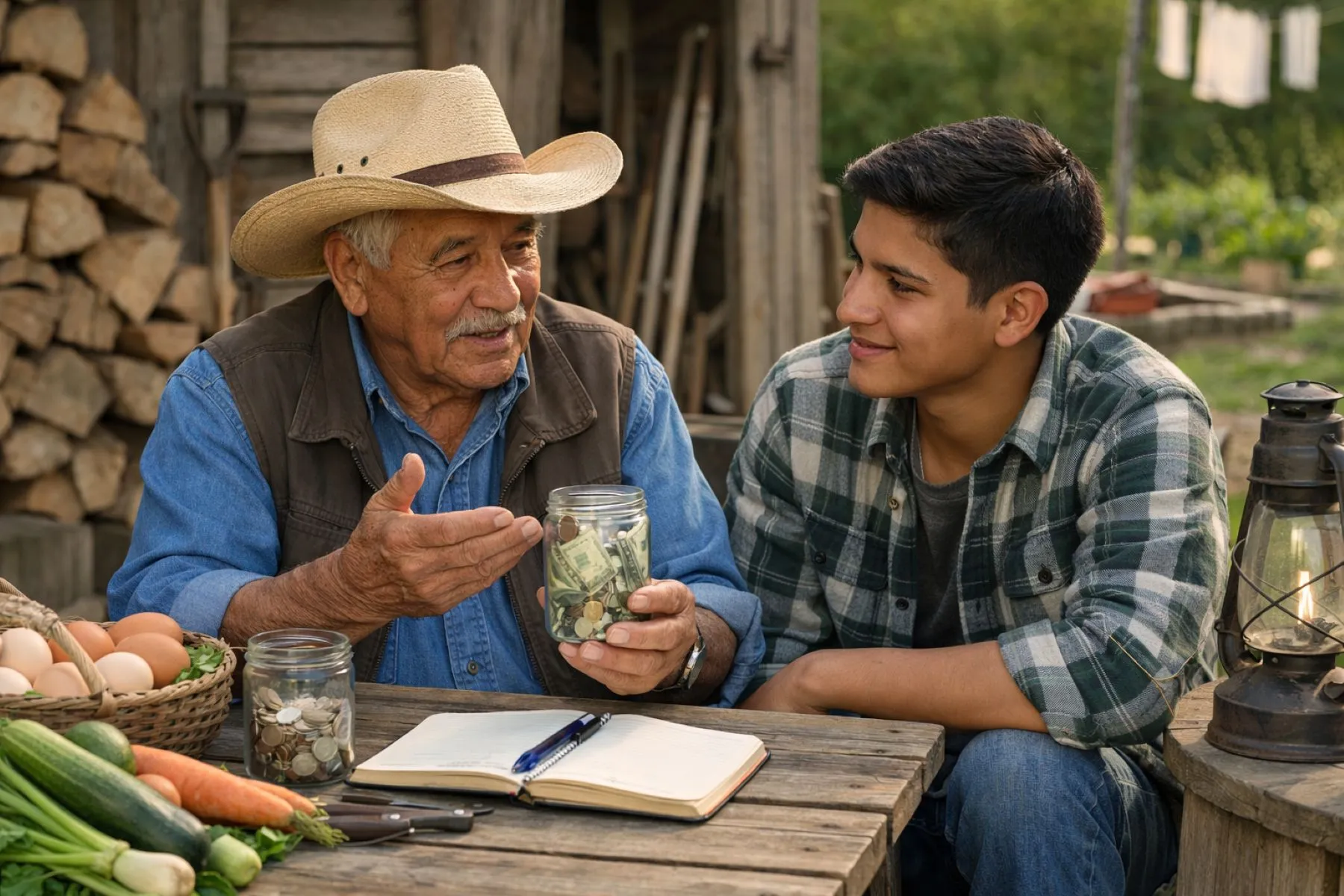
In an era defined by rapid technological shifts and the constant hum of digital notifications, it is easy to feel adrift. We often look toward the latest productivity hacks or modern self-help trends to find our footing, yet some of the most profound guidance has been with us all along. This ancestral wisdom, passed down through generations of parents and grandparents, acts as a stabilizing force. While the world around us changes at breakneck speed, the fundamental principles of living a balanced, meaningful life remain remarkably consistent.
Understanding the Roots of Ancestral Wisdom
Before we explore the specific lessons that have stood the test of time, it is helpful to define what we mean by the term. At its core, this legacy refers to the collective knowledge, ethical frameworks, and practical life strategies cultivated by those who came before us. It isn’t just about old-fashioned rules; it is a repository of “what works” based on centuries of human trial and error. By revisiting these traditional pieces of parental advice, we aren’t just looking backward—we are equipping ourselves with a proven compass for the future.
1. Prioritize Saving Before Spending Money
One of the most enduring lessons from the older generation is the discipline of financial foresight. Long before the convenience of digital wallets and “buy now, pay later” schemes, our ancestors understood that financial peace starts with what you keep, not what you earn. They often taught the simple yet transformative habit of paying oneself first.
In today’s consumer-driven culture, the impulse to spend can be overwhelming. However, by prioritizing savings the moment income arrives, you create a safety net that provides more than just money—it provides mental clarity. This practice encourages us to distinguish between fleeting desires and long-term security, ensuring that we are prepared for life’s inevitable surprises while building a foundation for future dreams.
2. Maintain Good Manners Toward Everyone
It might seem like a small thing, but the traditional emphasis on etiquette is about much more than knowing which fork to use. Our parents often reminded us that “please” and “thank you” are the keys that open many doors. This advice is rooted in the idea that every human being deserves a baseline of respect, regardless of their status or what they can do for you.
In the digital age, where interactions can often feel anonymous and transactional, maintaining good manners is a revolutionary act. It fosters a sense of community and reduces the friction of daily life. When we choose kindness and politeness, we aren’t just following a social script; we are acknowledging the dignity of others, which invariably leads to stronger, more authentic relationships in both professional and personal spheres.
3. Master Patience Through Hard Work and Ancestral Wisdom
We live in a world of “instant gratification,” where we expect results at the click of a button. However, the ancestral wisdom regarding hard work reminds us that the most rewarding achievements require time and sustained effort. Our elders knew that there is a unique kind of character development that only happens during the “middle part” of a long journey.
Mastering patience through labor teaches us resilience. When we commit to a goal—whether it’s learning a new craft, building a career, or nurturing a garden—we learn to handle setbacks with grace. This traditional perspective helps us realize that the value of an accomplishment is often found in the dedication required to reach it, rather than just the final result itself.
4. Value Face-to-Face Human Connections
While social media allows us to stay “connected” to hundreds of people at once, it can often leave us feeling more isolated than ever. Traditional parental advice consistently emphasizes the importance of sitting down with someone, looking them in the eye, and truly listening. There is a depth to physical presence that digital communication simply cannot replicate.
Prioritizing face-to-face interaction allows us to pick up on the nuances of body language, tone, and shared energy. These moments of genuine presence are where deep bonds are forged and where empathy truly flourishes. By making time for coffee dates, family dinners, or neighborhood chats, we nourish our need for belonging in a way that an “on-screen” interaction never will.
5. Practice Moderation in All Things
The ancient concept of “the middle way” is a recurring theme in heritage-based teachings. Whether it pertained to food, work, or leisure, our predecessors often warned against the dangers of excess. In a modern context, this translates perfectly to our digital consumption and our pursuit of “hustle culture.”
Practicing moderation helps us maintain equilibrium in a chaotic world. It encourages us to enjoy the comforts of life without becoming enslaved by them. By finding the balance between ambition and rest, or between technology and nature, we protect our mental and physical health. This gentle approach to living ensures that we don’t burn out, allowing us to sustain our energy and passion over the long haul.
6. Learn Essential Practical Life Skills
There was a time when knowing how to cook a basic meal, mend a garment, or fix a leaky faucet were considered standard requirements for adulthood. While we can now outsource many of these tasks, there is an inherent sense of empowerment that comes from being self-reliant. Our ancestors valued these practical skills because they represented a form of independence.
Learning to handle the tangible world around us builds confidence. When we can take care of our own basic needs and maintain our environment, we feel more in control of our lives. These skills also offer a wonderful way to disconnect from the digital world and engage in mindful, hands-on activity, providing a sense of accomplishment that is both grounding and deeply satisfying.
7. Respect the Wisdom of Experience
Finally, one of the most vital lessons is the importance of listening to those who have walked the path before us. It is common for younger generations to feel they have all the answers, especially in a world where information is so accessible. However, information is not the same as lived insight.
Experience is a teacher that cannot be bypassed by a search engine. By respecting the perspectives of our elders, we gain access to insights about human nature, conflict resolution, and emotional endurance that only come through living. Integrating this ancestral wisdom into our modern lives doesn’t mean ignoring progress; it means standing on the shoulders of giants so that we can see further and move forward with greater clarity.
As we navigate the complexities of the 21st century, these traditional lessons serve as a vital anchor. They remind us that while the tools we use may change, the core of a “good life” is still built on character, connection, and common sense. Embracing this ancestral wisdom allows us to live with more intention and less anxiety, blending the best of the past with the possibilities of the future.