

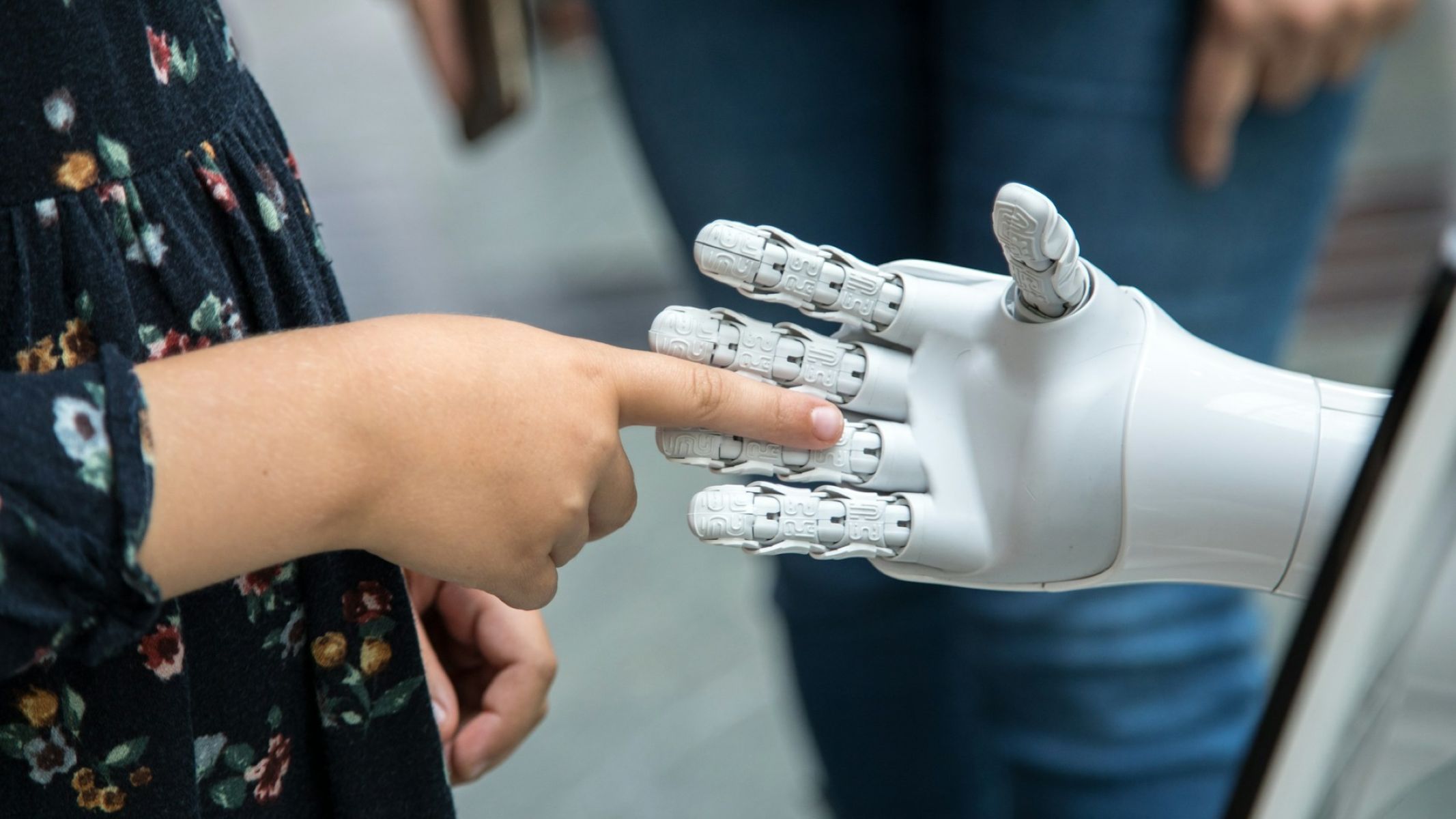
The rapid evolution of artificial intelligence and automation has moved from the pages of science fiction into our daily professional lives. As we look toward 2030, the global workforce is standing at a significant crossroads where the definition of “routine work” is being rewritten by algorithms and robotics. While the prospect of change can feel daunting, understanding which roles are most affected allows us to navigate this transition with foresight and purpose.
Understanding the Automation Shift and AI Integration
When we speak about the era of automation, we are referring to the integration of Artificial Intelligence (AI) and Robotic Process Automation (RPA) into the professional landscape. These technologies excel at tasks that are predictable, repetitive, and data-heavy. Unlike previous industrial revolutions that primarily affected manual labor, this modern shift targets “cognitive routine” tasks—the kind of work that involves processing information, managing schedules, or answering standard queries. Essentially, if a job follows a strict “if-then” logic, it is likely being optimized by an AI agent today.
Data Entry and the End of Manual Typing
For decades, data entry clerks and typists formed the backbone of corporate administration. However, this sector is experiencing one of the fastest declines in the modern era. Advanced AI-driven Optical Character Recognition (OCR) systems can now scan, interpret, and organize document data with near-perfect accuracy and at speeds no human could match. As businesses prioritize efficiency, the need for manual data input is fading, replaced by systems that verify and audit data rather than just recording it.
The Transformation of Sales and Support
Telemarketing and call center roles are also undergoing a profound structural change. We have reached a point where Voice AI can handle complex, natural-sounding conversations that feel remarkably human. These systems can manage outbound calls or handle high-volume inbound inquiries without fatigue. Similarly, basic customer service representatives are being superseded by sophisticated chatbots. These AI assistants manage product onboarding and troubleshoot common issues, allowing companies to scale their support operations without proportionally increasing their headcount.
The Rise of Self-Service in Retail and Banking
The physical experience of shopping or banking has changed more in the last five years than in the previous fifty. Retail cashiers and bank tellers are becoming less common as self-service checkouts and comprehensive digital banking apps become the norm. Most financial transactions that once required a trip to a local branch can now be completed on a smartphone. While some customers still value face-to-face interaction, the economic trend favors automated systems that offer 24/7 availability and reduced wait times.
Automation in the Back Office
Administrative assistants and bookkeepers are seeing their daily responsibilities shift toward technology management. Software powered by RPA can now handle complex scheduling, automated invoicing, and intricate data processing with minimal human oversight. In the financial sector, routine legal and financial staff, such as paralegals and tax preparers, are finding that AI can analyze legal precedents or prepare standard tax returns more efficiently. This doesn’t necessarily mean the end of these professions, but it does mean that the nature of the work is moving away from “doing” and toward “reviewing.”
The Evolution of Travel and Logistics
Travel agents and booking clerks have felt the impact of automation for some time, but AI-driven platforms have taken this a step further. Modern algorithms can now plan entire itineraries, predict price drops, and handle bookings based on personal preferences. On the physical side of logistics, assembly line workers and packers are being replaced by advanced robotics. These machines are increasingly capable of handling delicate tasks and adapting to different product lines, making them more versatile than the stationary robots of the past.
Embracing a Human-Centric Future
While it is estimated that approximately 92 million jobs could be displaced globally by 2030, there is a silver lining that deserves our attention. This technological shift is also expected to create roughly 170 million new roles. These emerging opportunities will likely focus on AI management, ethical oversight, and “human-centric” skills that machines cannot easily replicate.
The key to long-term career stability in the era of automation lies in the transition from routine tasks to roles that require complex problem-solving and high levels of emotional intelligence. Skills like empathy, creative strategy, and nuanced communication are becoming more valuable than ever. By focusing on what makes us uniquely human, we can find our place in a future where technology handles the repetitive, leaving us free to handle the meaningful.