What is a Digital Wallet and How Does it Work?
The way we interact with money has undergone a quiet but profound revolution over the last decade. We have moved from the heavy jingle of coins to the sleek feel of plastic cards, and now, we are entering an era where our physical wallets might stay tucked away in a drawer entirely. The digital wallet has emerged as the centerpiece of this transformation, turning our smartphones from mere communication devices into powerful, secure financial command centers.
As we navigate an increasingly paperless world, understanding what a digital wallet is—and how it protects your hard-earned money—is essential for anyone looking to simplify their daily life. It is not just about convenience; it is about a more intentional, secure way of managing our digital identities and financial resources.
Defining the Digital Wallet
At its most fundamental level, a digital wallet, often referred to as an e-wallet, is a software-based system designed to securely store your payment information and various digital assets. Usually housed within an app on a smartphone or a smartwatch, it acts as a virtual container for your credit cards, debit cards, and even direct bank account details.
Instead of fumbling for a specific piece of plastic at a checkout counter, a digital wallet allows you to execute transactions electronically. It bridges the gap between your traditional financial accounts and the digital marketplace, facilitating everything from a quick morning coffee purchase via a “tap-to-pay” terminal to complex peer-to-peer money transfers.
The Seamless Convenience of Contactless Living
One of the most immediate benefits of adopting a digital wallet is the sheer convenience it brings to the rhythm of daily life. We have all experienced the minor stress of realizing we left a physical wallet at home or the frustration of digging through a cluttered bag to find the right card. Digital wallets eliminate these friction points by leveraging Near Field Communication (NFC) technology.
This technology allows your device to communicate with a payment terminal simply by holding it nearby. Whether you are catching a bus, buying groceries, or paying for a movie ticket, the process is instantaneous. Furthermore, the convenience extends to the online world. Many digital wallets offer “one-click” checkout options on websites, saving you from the tedious task of manually typing in sixteen-digit card numbers and shipping addresses every time you want to make a purchase.
A New Standard for Financial Security
While convenience is the initial draw, security is the true backbone of the digital wallet experience. It might feel counterintuitive to think that having your financial data on a phone is safer than carrying a physical card, but the underlying technology—specifically encryption and tokenization—is remarkably robust.
When you use a digital wallet like Apple Pay or Google Wallet, your actual credit card number is never shared with the merchant. Instead, the system generates a unique, one-time “token” or a virtual account number for that specific transaction. Even if a merchant’s database were compromised, hackers would only find useless tokens rather than your actual financial data. Additionally, most digital wallets require biometric authentication, such as a fingerprint or facial recognition, adding a layer of protection that a physical piece of plastic simply cannot match.
Versatility Beyond Simple Payments
Modern digital wallets have evolved far beyond being mere repositories for cash and cards. They are increasingly becoming digital versions of our entire “back pocket” inventory. Today, you can use these apps to store digital versions of your driver’s license, state IDs, and even employee badges. This consolidation makes it easier to keep track of important documents that we might otherwise lose or damage.
Beyond identification, digital wallets are a haven for the organized shopper. They can house loyalty cards, digital coupons, and even boarding passes for your next flight. Instead of scrolling through hundreds of emails to find a QR code for a concert or an airplane seat, you can simply pull up your wallet app. This versatility reflects a broader shift toward a streamlined lifestyle where everything you need is accessible in one centralized, secure location.
Leading Examples in the Digital Landscape
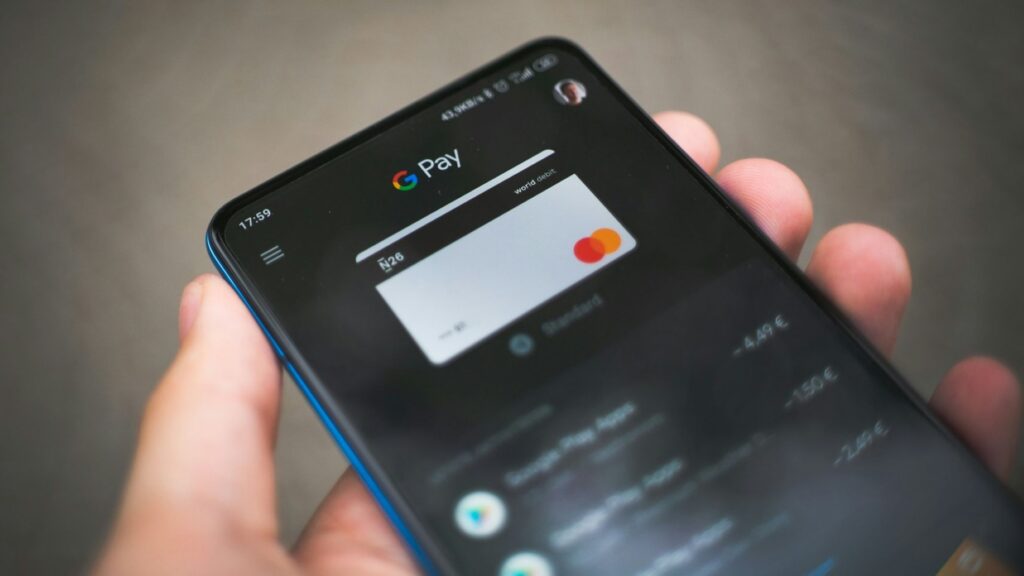
The market for digital wallets is diverse, offering various options tailored to different hardware and user preferences. For those within the Apple ecosystem, Apple Pay provides a seamless experience across iPhones, Macs, and Apple Watches. Similarly, Android users often lean toward Google Wallet or Samsung Pay, both of which offer widespread compatibility with millions of retailers globally.
Beyond the hardware-specific options, there are “independent” digital wallets that focus heavily on social payments and online commerce. PayPal remains a giant in the space, offering a secure way to shop online without sharing card details. Meanwhile, apps like Venmo and Cash App have redefined how we split dinner bills or send birthday money to friends, turning financial transactions into a social, user-friendly experience.
Integration with Your Financial Ecosystem
A common misconception is that a digital wallet is a new type of bank account. In reality, it acts as a sophisticated interface for your existing financial life. These wallets link directly to your established bank accounts and credit cards. When you make a purchase, the digital wallet securely communicates with your bank to authorize the transfer of funds.
This integration allows for better financial oversight. Most wallet apps provide instant notifications the moment a transaction occurs, allowing you to track your spending in real-time. By centralizing your various cards into one digital space, you can more easily manage which account you want to use for specific purchases, ensuring you always maximize your rewards or stay within your monthly budget.
Embracing a Secure and Streamlined Future
The transition toward digital wallets represents a positive shift in how we manage our personal resources. By combining high-level encryption with unparalleled ease of use, these tools offer a way to navigate the world with less clutter and more confidence. While the physical wallet served us well for centuries, the digital wallet is better suited for the speed and security requirements of the modern age.
Adopting this technology isn’t just about keeping up with trends; it is about reclaiming time and reducing the small stresses of daily transactions. As these platforms continue to grow and incorporate more features, the digital wallet will likely become an even more indispensable companion in our journey toward a more connected and efficient future.