

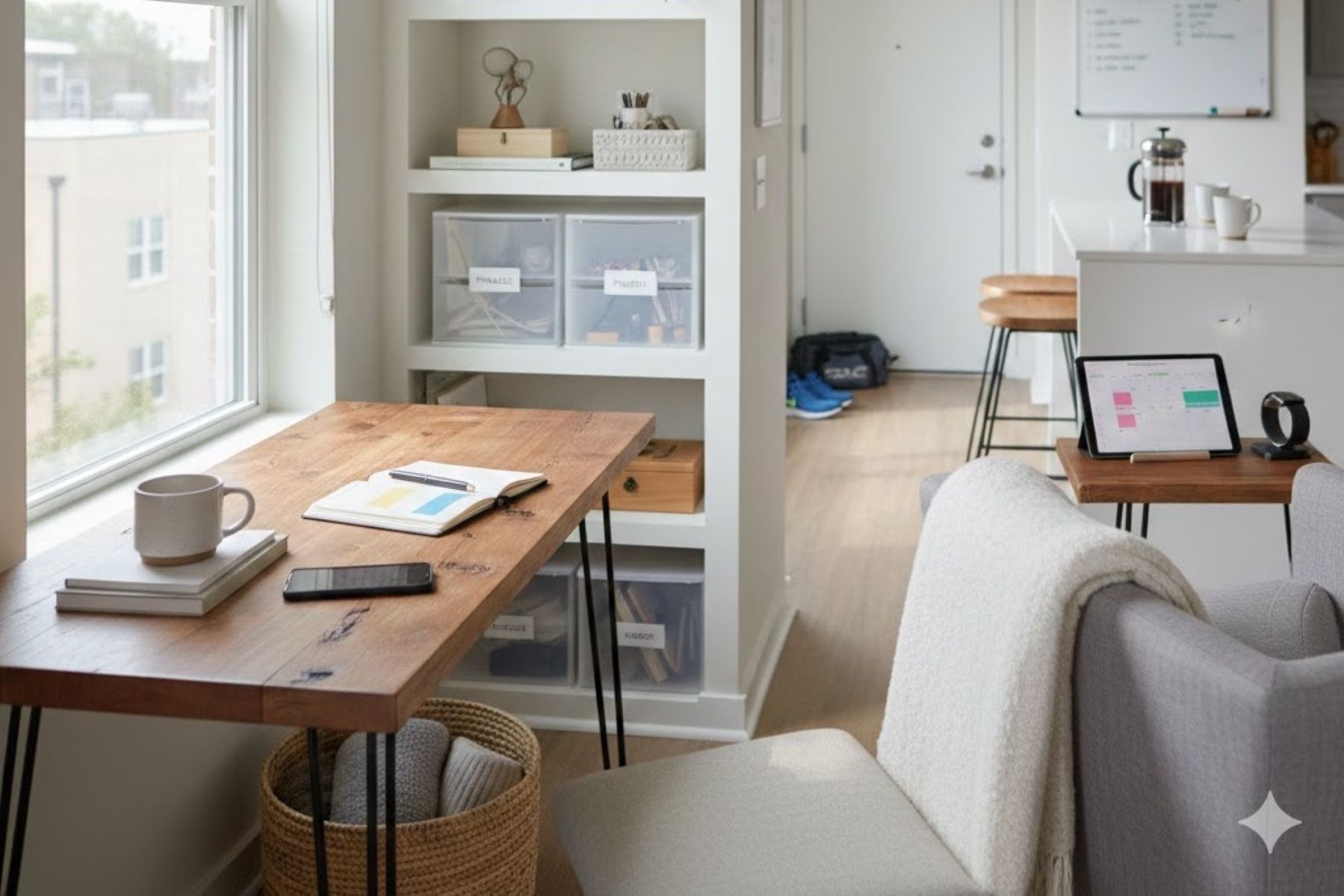
The dream of organized living habits often conjures up images of rigid schedules, color-coded planners, and a life lived under a microscope. However, true organization isn’t about restriction; it is about creating the freedom to enjoy life without the constant hum of “I’m forgetting something” in the back of your mind. When we talk about organized living habits, we are really discussing a series of small, intentional choices that clear the mental and physical clutter, allowing us to be more present in the moments that actually matter.
Understanding the Essence of Organized Living Habits
Before we dive into the specific practices that can transform your daily flow, it is helpful to understand what organized living habits actually entail. At its core, being organized is the process of structuring your environment and your time to serve your personal goals and well-being. It isn’t just about having a tidy desk; it is a holistic approach to managing your energy. By automating the mundane and streamlining the necessary, you create a buffer of time and mental space that allows for spontaneity and relaxation.
1. Prioritize Tasks Using Daily Essentials
One of the most common pitfalls of productivity is the never-ending to-do list. Highly organized individuals avoid this by focusing on a few daily essentials rather than a mountain of chores. By selecting three to five non-negotiable tasks each morning, you give yourself a clear roadmap for success. This prevents the paralysis that often comes with having too many options and ensures that even if the day becomes chaotic, the most impactful work is already completed or well underway.
2. Master the Art of Decluttering
A cluttered space often leads to a cluttered mind, making it difficult to focus on the task at hand. Developing the habit of decluttering doesn’t mean you need to spend every weekend purging your closets. Instead, it involves a “one-in, one-out” mentality and a commitment to clearing surfaces at the end of each day. When your physical surroundings are orderly, your brain can transition into a state of deep work or deep relaxation much more easily, as it isn’t constantly processing visual noise.
3. Establish Consistent Morning Routines
The way you start your morning sets the tone for everything that follows. An effective morning routine isn’t about waking up at 4:00 AM; it is about creating a predictable sequence of events that anchors your day. Whether it involves ten minutes of reading, a brief stretch, or simply enjoying a cup of coffee in silence, these consistent actions signal to your brain that it is time to transition into an active state. This sense of rhythm provides a comforting foundation that makes the rest of the day feel manageable.
4. Automate Recurring Financial Obligations
Financial stress is a significant drain on mental energy, yet much of it is preventable through simple automation. Organized people treat their finances like a well-oiled machine by setting up automatic transfers for savings, investments, and monthly bills. By removing the need to remember due dates or manually move money around, you eliminate a recurring source of “decision fatigue.” This allows you to focus your intellectual energy on earning and growing your wealth rather than just maintaining it.
5. Utilize Digital Tools for Scheduling
In our modern world, relying solely on memory is a recipe for missed appointments and forgotten commitments. Embracing digital tools—like synced calendars and simple reminder apps—acts as a secondary brain. The goal here is to get ideas and dates out of your head and into a reliable system. When you know your phone or computer will nudge you at the right time, you can fully immerse yourself in your current activity without the fear of something slipping through the cracks.
6. Maintain Dedicated Spaces for Items
The frustration of searching for lost keys or a specific document can derail an otherwise productive afternoon. To combat this, the habit of giving every object a “home” is essential. When every item has a dedicated space, the act of tidying becomes an effortless, automatic process. You no longer have to think about where something goes; you simply return it to its spot. This small shift saves an incredible amount of time over the course of a week and keeps your home feeling like a sanctuary.
7. Practice Proactive Preparation Every Evening
The secret to a smooth morning actually begins the night before. Taking just fifteen minutes each evening to prepare for the following day can drastically reduce morning friction. This might mean laying out your clothes, packing a lunch, or reviewing your calendar. By making these small decisions ahead of time, you preserve your willpower for more important tasks later in the day. It allows you to wake up feeling prepared and proactive rather than reactive and rushed.
8. Batch Similar Activities for Efficiency
Switching between different types of tasks—like answering emails, then writing a report, then making phone calls—creates a “switching cost” that lowers your overall productivity. Organized individuals prefer to batch similar activities together. For example, you might designate a specific hour for all your administrative work or do all your grocery shopping and meal prep on a single afternoon. This allows you to stay in a specific mindset for longer, increasing your speed and the quality of your output.
9. Embrace Flexibility Within Structured Plans
Perhaps the most important aspect of organized living habits is the ability to remain flexible. A plan should be a guide, not a cage. Life is unpredictable, and the most organized people are those who can pivot when things go sideways without losing their composure. By having a structured base, you actually have more room to be flexible because you know exactly what can be shifted and what needs to stay. Structure provides the safety net that makes true spontaneity possible.
Adopting organized living habits is a journey of self-kindness rather than self-discipline. It is about setting up your future self for success by making small, thoughtful adjustments to your current environment and schedule. As you begin to integrate these habits, you will likely find that the world feels a little quieter and your goals feel a little more within reach. Remember that perfection isn’t the objective; the goal is simply to create a life that feels supportive, manageable, and deeply fulfilling.