

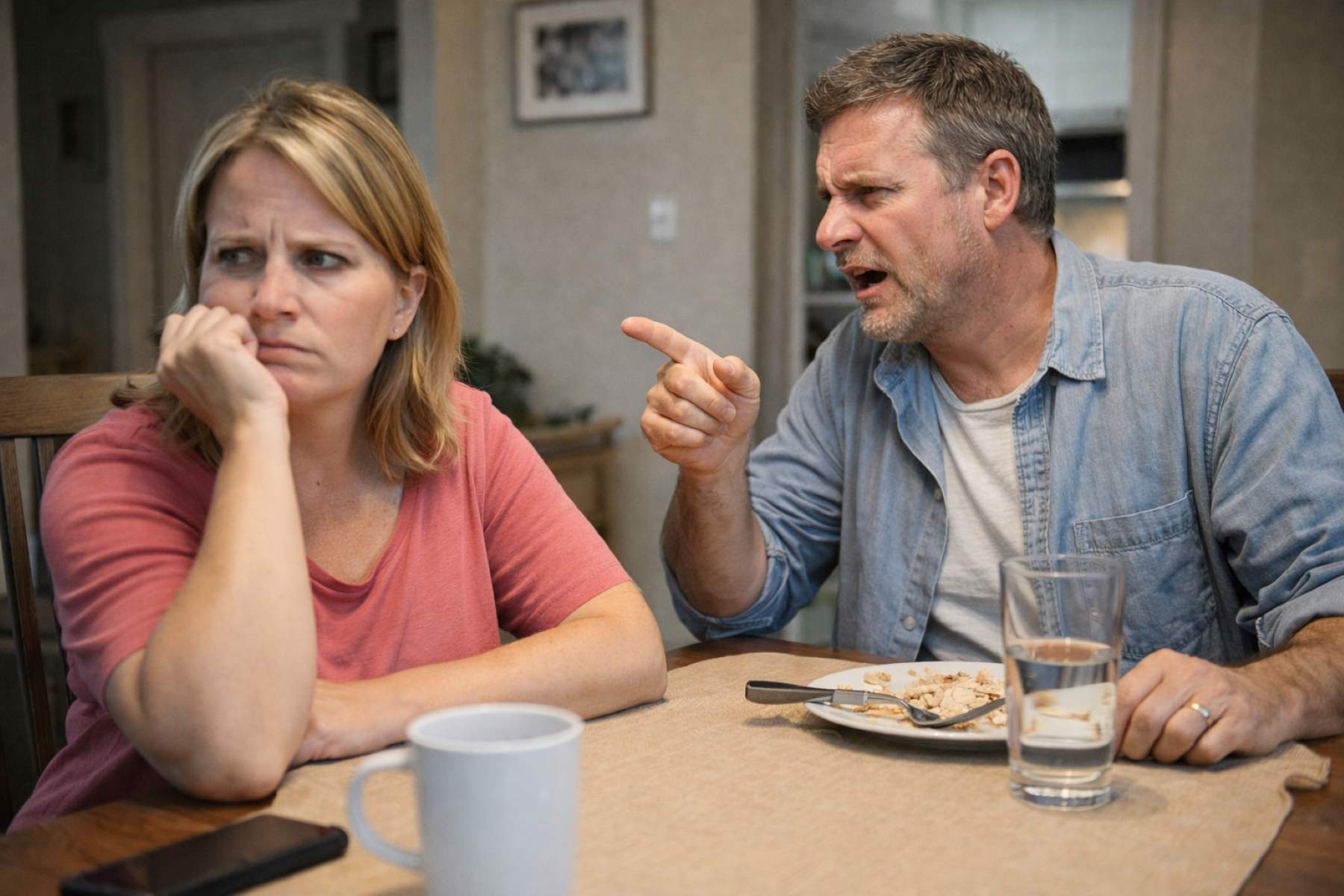
Marriage is often described as a journey with natural peaks and valleys. When the initial spark of the honeymoon phase begins to settle into the steady rhythm of daily life, it is common for couples to encounter challenges. However, there is a significant difference between a “rough patch” and a persistent pattern of behavior that erodes the foundation of a partnership. Many couples find themselves drifting into a state of quiet dissatisfaction, dismissing genuine unhealthy marriage warning signs as mere symptoms of long-term familiarity or the stress of modern living.
Recognizing these subtle shifts is not about finding reasons to leave, but rather about gaining the clarity needed to heal and grow. When we understand what a healthy partnership looks like, we can better identify when our own relationship has detoured into territory that lacks the warmth and security we deserve.
Understanding the Concept of an Unhealthy Marriage
Before exploring the specific indicators, it is helpful to define what we mean by an unhealthy marriage. At its core, a healthy relationship is built on a foundation of safety, mutual respect, and emotional reciprocity. An unhealthy marriage occurs when these pillars are replaced by patterns of behavior—whether conscious or unconscious—that diminish the well-being of one or both partners.
Often, these dynamics do not appear overnight. They develop gradually, masking themselves as “routine” or “the way things are.” When the unhealthy marriage warning signs become the standard operating procedure for a household, the emotional environment can become draining rather than life-giving. Acknowledging this reality is the first step toward reclaiming a sense of individual and collective peace.
1. A Persistent Lack of Mutual Respect
Respect is the oxygen of any thriving relationship. When it begins to vanish, it often starts with small things, like eye-rolling or dismissing a partner’s opinion during a casual conversation. Over time, this can evolve into a deep-seated disregard for each other’s values and boundaries. When you no longer feel like an equal partner whose thoughts carry weight, the relationship begins to lose its equilibrium.
2. Constant Criticism and Verbal Belittling
There is a profound difference between constructive feedback and a habit of tearing a partner down. If the majority of your interactions involve one person pointing out the other’s flaws, it creates an environment of defensiveness. Constant belittling, even when disguised as “just a joke,” chips away at self-esteem and makes the home feel like a battlefield rather than a sanctuary.
3. Passive-Aggressive Communication Patterns
Direct communication requires vulnerability, which is why many couples fall into the trap of passive-aggression. Sarcasm, the “silent treatment,” or backhanded compliments are often used to express anger without taking responsibility for it. These patterns are among the most common unhealthy marriage warning signs because they prevent actual resolution and leave both partners feeling confused and unheard.
4. Complete Avoidance of Difficult Conversations
While constant fighting is a known red flag, the total absence of conflict can be just as concerning. If a couple stops discussing their problems entirely, it usually means they have given up on the possibility of change. This “peace” is often an illusion, masking a growing pile of unresolved resentment that eventually becomes too heavy to carry.
5. Emotional Withdrawal and Physical Stonewalling
Stonewalling happens when one partner shuts down, walks away, or refuses to engage during a disagreement. It is a powerful form of emotional withdrawal that leaves the other partner feeling abandoned in a moment of need. When this becomes a go-to defense mechanism, it creates a wall that intimacy simply cannot climb over.
6. Frequent Feelings of Deep Loneliness
It is a painful irony that one can feel most alone while sitting right next to their spouse. This type of loneliness stems from a lack of emotional connection and a sense that your inner world is no longer shared with your partner. When you stop turning to each other for comfort or companionship, the “we” in the relationship begins to dissolve.
7. Keeping Significant Secrets from Partners
Transparency is vital for trust. While everyone is entitled to some level of privacy, keeping significant secrets—whether regarding finances, career changes, or emotional connections—creates a barrier. Secrecy suggests that you no longer trust your partner’s reaction or that you are leading a life independent of the marital bond.
8. Using Affection as a Weapon
In a healthy marriage, affection and intimacy are expressions of love. They should never be used as bargaining chips. Withholding physical touch or emotional warmth as a way to punish a partner or “get your way” is a form of manipulation. It turns a beautiful aspect of connection into a tool for control.
9. Constant Monitoring of Partner Activities
Trust means giving your partner the freedom to be their own person. If one spouse feels the need to constantly check phone logs, track locations, or interrogate the other about their whereabouts, the foundation of trust has crumbled. This level of surveillance is often a sign of deep-seated insecurity or a desire for dominance.
10. Refusing to Acknowledge Personal Mistakes
A relationship cannot grow if the individuals within it cannot admit when they are wrong. When one partner consistently shifts blame or makes excuses for their behavior, it leaves the other carrying the entire burden of the relationship’s health. Accountability is essential for healing and moving forward together.
11. Prioritizing Outside Opinions Over the Spouse
While friends and family are important, the marital bond should generally be the primary influence in a person’s life. If a spouse consistently values the advice or approval of an outsider over the feelings and needs of their partner, it creates a sense of betrayal. It signals that the “inner circle” of the marriage has been breached.
12. Neglecting Basic Physical Intimacy Needs
Physical intimacy is more than just sex; it is about the small gestures of closeness like holding hands, hugging, or sitting near each other. When these basic needs are chronically neglected, the relationship can start to feel more like a roommate arrangement. This neglect often signals a deeper emotional drift that needs to be addressed.
13. Competitive Behavior Regarding Personal Success
Partners should be each other’s biggest cheerleaders. However, in an unhealthy dynamic, one partner might feel threatened by the other’s achievements. If there is a sense of “winning” or “losing” within the marriage, or if success leads to jealousy rather than celebration, the spirit of partnership is replaced by rivalry.
14. Mocking a Partner in Public Settings
Publicly criticizing or mocking a spouse is a significant breach of loyalty. It is a way of seeking validation from others at the expense of your partner’s dignity. This behavior is particularly damaging because it leaves the shamed partner feeling exposed and unsupported in front of their social circle.
15. Losing Individual Identity Within the Marriage
A healthy marriage consists of two whole individuals coming together. If you find that you have lost your hobbies, your friends, and your sense of self in an effort to please your partner or maintain the peace, it is a sign of an enmeshed and unhealthy dynamic. You should be able to be “you” while also being “us.”
Recognizing these unhealthy marriage warning signs can be an emotional experience, but it is also a powerful one. Many of these behaviors are learned patterns that can be unlearned with time, effort, and often the help of a professional counselor. The goal of identifying these red flags is not to assign blame, but to shine a light on the areas that require care and attention.
Every couple deserves a relationship that feels like a safe harbor. By addressing these subtle issues early, you can work toward building a future that is defined by genuine respect, deep connection, and lasting joy.