

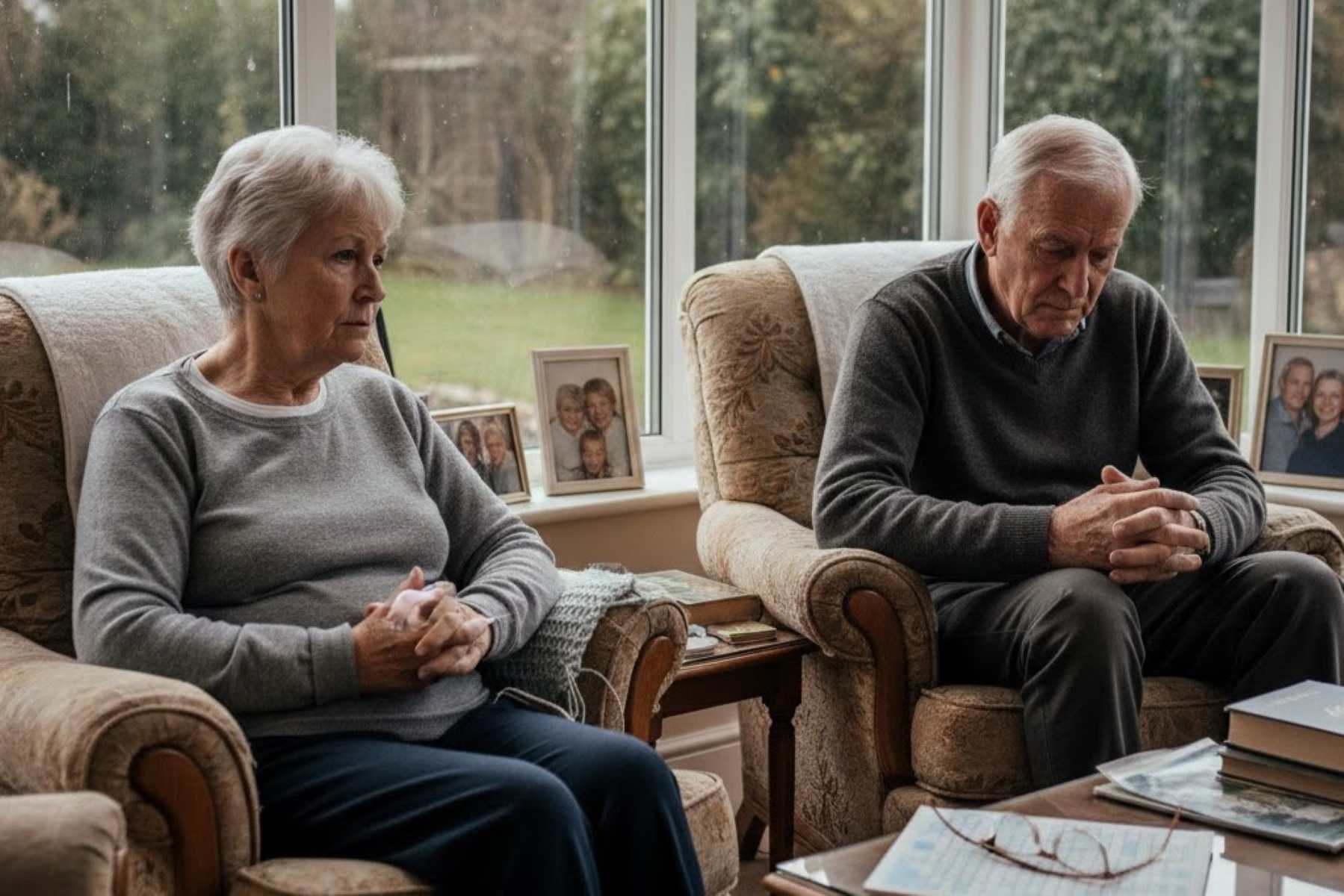
Marriage is often described as a marathon, a long-distance journey that requires endurance, patience, and a shared map. However, for many couples reaching their senior years, the finish line doesn’t always feel like a victory. Instead, some find themselves navigating a complex landscape of reflection and, occasionally, deep-seated regret. This phenomenon isn’t about a single argument or a temporary rough patch; it is often the culmination of specific mental frameworks that have quietly undermined the foundation of the relationship for decades.
Understanding why these feelings emerge in later life is essential for both those currently navigating their senior years and younger couples hoping to build a more resilient future. By examining the mindsets that lead to distance, we can begin to foster the genuine connection that makes long-term companionship truly rewarding.
Defining Elderly Marital Regret and Its Context
Elderly marital regret refers to the profound sense of disappointment or “what-if” thinking that seniors experience regarding their lifelong partnerships. Unlike the fleeting frustrations of middle age, this form of regret often surfaces during the transition into retirement or the “empty nest” phase, when the distractions of career and child-rearing fade away. It is characterized by a realization that the emotional intimacy or personal fulfillment one hoped for has been replaced by a sense of “living together, alone.”
This state of mind is rarely the result of a sudden catastrophe. Rather, it is usually the slow erosion of the bond caused by long-standing habits and perspectives that prioritized stability over genuine connection.
Harboring Unresolved Decades-Long Resentment
One of the most destructive forces in a long-term marriage is the accumulation of “emotional debt.” When small slights, ignored needs, or past betrayals are never fully addressed, they don’t simply vanish. Instead, they settle into a quiet, simmering resentment. Over twenty, thirty, or forty years, these unresolved issues create a thick wall between partners. In the senior years, this wall becomes a barrier to the comfort and support that couples need most, leading many to regret not having the “hard talks” years earlier.
Neglecting Individual Personal Growth
A common misconception in long-term relationships is that the couple must move as a single unit at all times. When one or both partners neglect their own personal evolution—stifling their interests, education, or self-discovery for the sake of the status quo—they often wake up in their senior years feeling like a stranger to themselves. This lack of individual fulfillment can lead to a subconscious blame toward the spouse, creating a framework of regret where the marriage is seen as the cage that prevented personal blooming.
Prioritizing Children Over Marital Bonds
It is natural and noble to be a dedicated parent, but many couples make the mistake of making their children the only sun their world revolves around. When the “parent” identity completely eclipses the “partner” identity, the relationship loses its core. Once the children grow up and move away, the couple is left staring at one another across a dinner table with nothing left to talk about. This “empty nest syndrome” often reveals a hollow marriage, leading to deep sadness over the lost years of romantic cultivation.
Expecting Partners to Provide Happiness
One of the most heavy burdens a person can place on their spouse is the total responsibility for their own happiness. This mindset creates an impossible standard that no human being can meet. When a person enters their senior years and realizes they are still unhappy, they may unfairly direct that regret toward their partner. Realizing too late that joy is an internal job—and that a partner is a companion in that joy, not the source of it—is a frequent theme in late-life marital reflection.
Avoiding Difficult Emotional Conversations
A “quiet” house is not always a peaceful one. Many couples pride themselves on never fighting, but often, this is simply the result of avoiding any topic that might cause friction. By choosing silence over vulnerability, couples miss the chance to truly know one another. As the years pass, this avoidance leads to a shallow connection. Seniors often regret the “safe” path, realizing that the heat of a difficult conversation might have been the very thing needed to forge a stronger, more authentic bond.
Comparing Marriage to Idealized Versions
In the age of social media and curated public images, it is easy to fall into the trap of comparison. Even before the digital age, comparing one’s spouse to a fictional ideal or the seemingly perfect marriage of a neighbor created a framework of perpetual dissatisfaction. When we focus on what our partner is not, we lose the ability to appreciate who they are. This constant measurement against an impossible yardstick is a direct route to a retirement filled with unnecessary bitterness.
Resisting Necessary Lifestyle Adaptations
Life is a series of seasons, and each requires a different version of the relationship. Some couples struggle because they try to maintain the dynamics of their 30s well into their 70s. Whether it is a change in physical ability, financial status, or energy levels, a refusal to adapt creates friction. Those who insist on “the way things have always been” often find themselves frustrated and out of sync with a partner who is naturally trying to evolve with the realities of aging.
Lacking Shared Interests and Hobbies
While individual growth is vital, a complete lack of shared territory can be equally damaging. If one partner spends all their time on the golf course and the other is entirely immersed in a separate social circle, the “shared life” becomes more of a shared mailing address. Without common ground to explore during the abundant free time of retirement, the days can feel long and the company feels forced, leading to a sense of missed opportunity for companionship.
Assuming Silent Presence Equals Intimacy
There is a beautiful comfort in being able to sit in silence with someone, but it becomes a trap when it is the only form of interaction. Many seniors fall into the “roommate phase,” where they assume that simply being in the same room counts as quality time. True intimacy requires active engagement—listening, sharing thoughts, and maintaining curiosity about the other person. Without this, the silence eventually feels less like peace and more like a void.
Ignoring Physical and Mental Health
The framework of neglect often extends to the self. When partners stop taking care of their physical and mental well-being, it places an immense strain on the relationship. Chronic health issues that could have been managed, or untreated depression and anxiety, can turn a spouse into a full-time caregiver or an emotional punching bag. Regret often stems from the realization that better self-care could have preserved more “good years” for the couple to enjoy together.
Failing to Practice Daily Forgiveness
In a long-term marriage, there will be thousands of tiny mistakes. A mindset that holds onto every error like a collector’s item will eventually be crushed by the weight of that collection. Forgiveness is not about condoning bad behavior; it is about refusing to let the past poison the present. Couples who reach their senior years without the habit of daily forgiveness often find themselves exhausted by the sheer volume of old grievances they are still carrying.
Maintaining Rigid Traditional Gender Roles
Finally, adhering too strictly to “who does what” based on outdated traditions can lead to significant resentment. If a husband feels he cannot express emotion or a wife feels she cannot pursue an ambition, both end up feeling half-lived. In the senior years, these roles often become impractical or even burdensome. Breaking free from these scripts allows for a more flexible, supportive, and modern partnership that can withstand the unique challenges of aging.
While these frameworks can lead to regret, identifying them is the first step toward a more positive outcome. It is never too late to initiate a conversation, try a new hobby together, or offer a sincere apology for a decades-old grudge. The senior years can be a time of incredible depth and sweetness, provided we are willing to dismantle the mental barriers that keep us apart.