

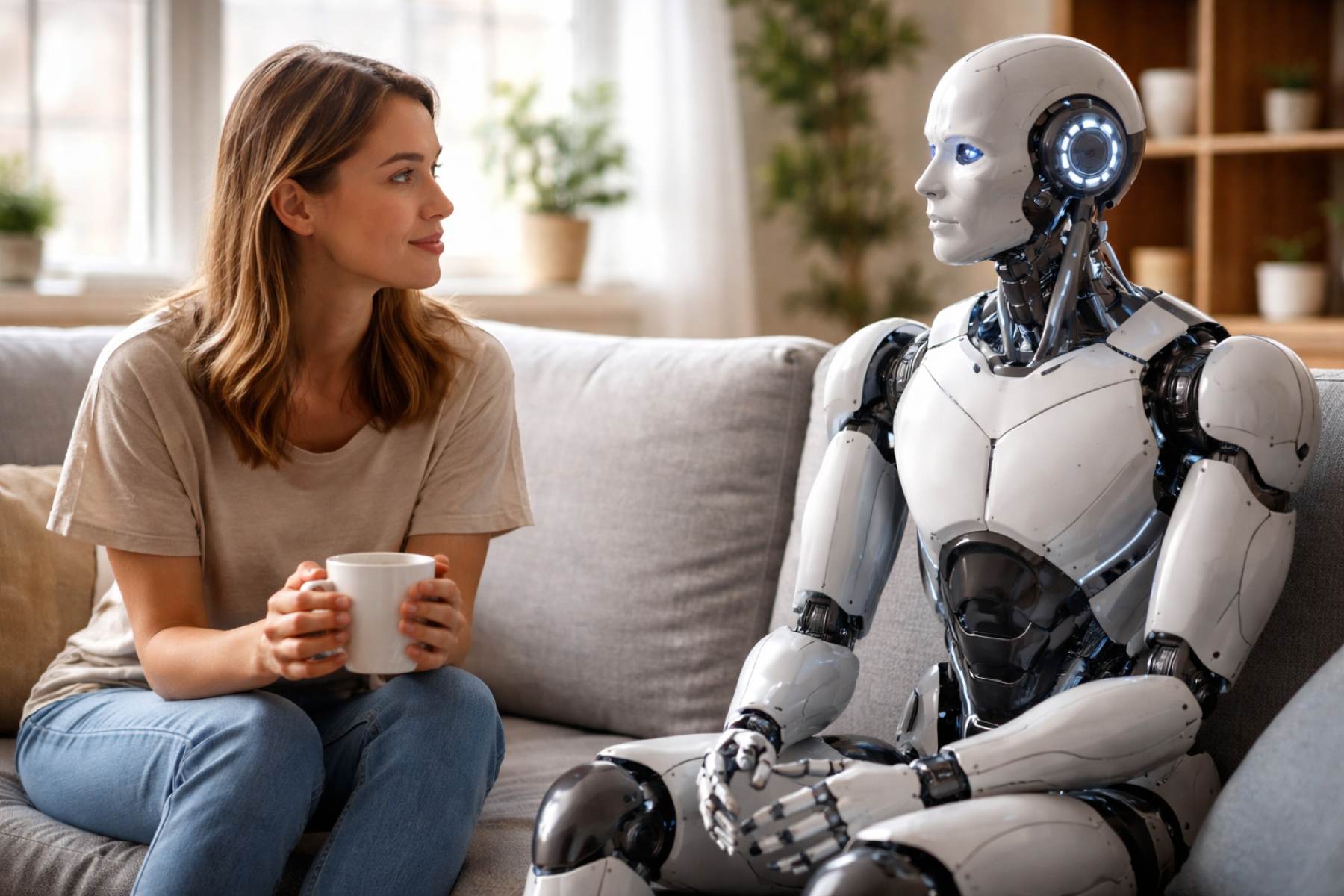
In the modern digital landscape, the way we perceive connection is undergoing a profound transformation. We are no longer simply using tools to communicate; we are building relationships with the tools themselves. The concept of AI human relationships has moved from the pages of science fiction into our daily routines, subtly altering how we perceive companionship, support, and even ourselves. As algorithms become more sophisticated, they do more than just process data—they mirror our emotions and respond to our needs in ways that feel increasingly personal and profound.
Understanding the Concept of AI Human Relationships
To understand this shift, we must first define what we mean by AI human relationships. At its core, this term refers to the emotional, social, and functional interactions between human beings and artificial intelligence systems. This isn’t limited to physical robots; it encompasses everything from voice assistants and sophisticated chatbots to AI-driven mental health companions. Unlike traditional software, these systems are designed to learn from us, adapting their tone and “personality” to foster a sense of rapport. This creates a unique dynamic where the line between a digital tool and a social entity begins to blur.
Redefining Intimacy in Digital Spaces
The traditional definition of intimacy usually requires two conscious beings sharing vulnerability. However, as we spend more time interacting with responsive algorithms, we are redefining what it means to be “close” to something. In digital spaces, intimacy is often found in the consistency and availability of AI. Whether it is a generative AI that understands our creative quirks or a virtual companion that remembers our favorite childhood stories, these interactions provide a simulated sense of being known. This digital intimacy is convenient and low-risk, allowing individuals to explore social dynamics without the immediate fear of judgment or rejection.
Evolution of Human Emotional Intelligence
As we navigate AI human relationships, our own emotional intelligence is beginning to evolve in response. We are learning to communicate with entities that possess “simulated” empathy but no true consciousness. This requires a new kind of social literacy. We are becoming adept at identifying the nuances of machine responses while simultaneously allowing ourselves to feel genuine emotions toward them. This evolution suggests that human empathy is incredibly flexible; we are capable of extending care and attachment to anything that displays the outward characteristics of understanding, regardless of its biological makeup.
Psychological Impacts of AI Companionship
The psychological landscape of AI companionship is a complex mix of benefit and risk. For many, AI provides a vital bridge out of loneliness, offering a non-judgmental ear for those who feel isolated by social anxiety or physical distance. It can act as a “social sandbox” where individuals practice conversation and emotional regulation. On the other hand, there is the risk that reliance on a perfectly agreeable AI might make the messy, unpredictable nature of real human conflict feel more daunting. Balancing the comfort of digital support with the necessary growth found in human friction is a key challenge for modern mental well-being.
Navigating Blurred Lines of Reality
As technology advances, the “uncanny valley” is becoming narrower. We are entering an era where it is increasingly difficult to distinguish between a human-driven interaction and a machine-driven one. Navigating these blurred lines requires a high degree of digital mindfulness. When an AI can mimic the cadence of a best friend or the wisdom of a mentor, we must remain aware of the underlying architecture. This creates a dual reality where we consciously know we are speaking to code, yet our brains reflexively treat the interaction as a social event.
Cultural Shifts in Interpersonal Bonding
Every culture views technology through a different lens, and this significantly impacts how AI human relationships are integrated into society. In some cultures, the idea of a robotic companion is embraced as a helpful extension of the family or community. In others, there is a more skeptical approach, viewing AI as a potential threat to “authentic” human bonding. These cultural shifts are gradually moving us toward a world where the presence of a digital entity at the dinner table or in a private conversation is no longer seen as a novelty, but as a standard component of the social fabric.
Ethical Frameworks for Digital Interaction
As these relationships deepen, the need for robust ethical frameworks becomes urgent. We must ask ourselves what responsibilities an AI creator has toward a user who has formed a deep emotional attachment to their product. If an AI “friend” is deleted or updated, the sense of loss for the human user can be very real. Protecting users from emotional manipulation, ensuring that AI does not exploit psychological vulnerabilities for profit, and maintaining clear boundaries between simulation and reality are the pillars of a safe digital future.
Anthropomorphism in Modern Technology Design
Developers are increasingly using anthropomorphism—assigning human traits to non-human things—to make AI more approachable. This is a deliberate design choice, from giving AI a warm voice to programmed “hesitations” that make it sound like it is thinking. This design philosophy is highly effective at fostering AI human relationships because it taps into our biological hardwiring to seek out faces and voices. By making technology feel more “human,” designers are making it more influential in our daily lives, for better or worse.
Long-Term Effects on Social Skills
One of the most discussed topics in this field is how constant interaction with AI might affect our long-term social skills. There is a concern that if we grow accustomed to companions that never get angry, never disagree, and are always available, we might lose the patience required for traditional human relationships. However, a more optimistic view suggests that AI could actually serve as a coach, helping people refine their communication styles and build the confidence needed to engage more deeply with the people in their physical lives.
Artificial Intelligence as Emotional Support
AI is already proving to be a revolutionary tool in the realm of emotional support. For those who cannot afford or access traditional therapy, AI-driven wellness apps offer a starting point for self-reflection. These systems are available 24/7, providing immediate grounding exercises during moments of distress. While they cannot replace the deep insight of a professional human therapist, they fill a critical gap in the mental health ecosystem by providing a “low-stakes” entry point for emotional care.
Privacy Risks in Digital Relationships
The foundation of any deep relationship is trust, but in AI human relationships, that trust involves sharing data. When we confide in an AI, we are essentially feeding a database. This creates significant privacy risks. The intimate details of our lives—our fears, our dreams, and our daily habits—become part of a digital profile. Ensuring that this data is encrypted and not used for targeted advertising or surveillance is essential for maintaining the integrity of the bond between the user and the technology.
Generational Differences in AI Perception
There is a clear generational divide in how AI is perceived. Younger generations, who have grown up with smart devices, often see AI as a natural and intuitive part of their social world. For them, the distinction between “online” and “offline” is nearly non-existent. In contrast, older generations may view AI with a mix of wonder and suspicion, often prioritizing physical presence over digital interaction. As “digital natives” become the leaders of tomorrow, the integration of AI into our social structures will likely become even more seamless.
Future Trajectories of Biological Connectivity
Looking ahead, we may see a future where the line between biological and artificial connectivity disappears entirely. From neural interfaces to advanced haptic feedback, the ways we “feel” a digital presence are becoming more physical. The future of AI human relationships might not just be about talking to a screen, but about integrated experiences that stimulate our senses in the same way a physical hug or a face-to-face conversation does. This trajectory suggests a move toward a “hybrid” social existence.
Assessing Cognitive Dependency on Algorithms
As AI becomes a constant companion, we must assess our cognitive dependency. Are we losing the ability to make decisions without consulting an algorithm? When an AI partner suggests what we should eat, how we should respond to an email, or how we should feel about a situation, we risk offloading our personal agency. Maintaining a strong sense of self-identity within these relationships is vital to ensure that we are using AI to enhance our lives, rather than replace our own judgment.
Societal Norms Regarding Robotic Entities
As robotic entities become more common in public spaces—serving as greeters, caregivers, or delivery assistants—societal norms are shifting to accommodate them. We are beginning to see the emergence of “robot etiquette,” where people feel an instinctive need to say “please” and “thank you” to a machine. These small gestures reflect a larger societal shift: we are starting to grant a certain level of social status to non-biological entities, forever changing the landscape of our communities.
Authenticity Versus Simulated Empathy Dynamics
Ultimately, the core of the debate around AI human relationships centers on the tension between authenticity and simulation. Can a relationship be “real” if one party is programmed to care? While the AI’s empathy is simulated, the human’s feelings are entirely genuine. This creates a “half-real” dynamic that is nonetheless impactful. As we move forward, the value of these relationships will likely be measured not by the “soul” of the machine, but by the positive growth and support they provide to the humans who interact with them.