

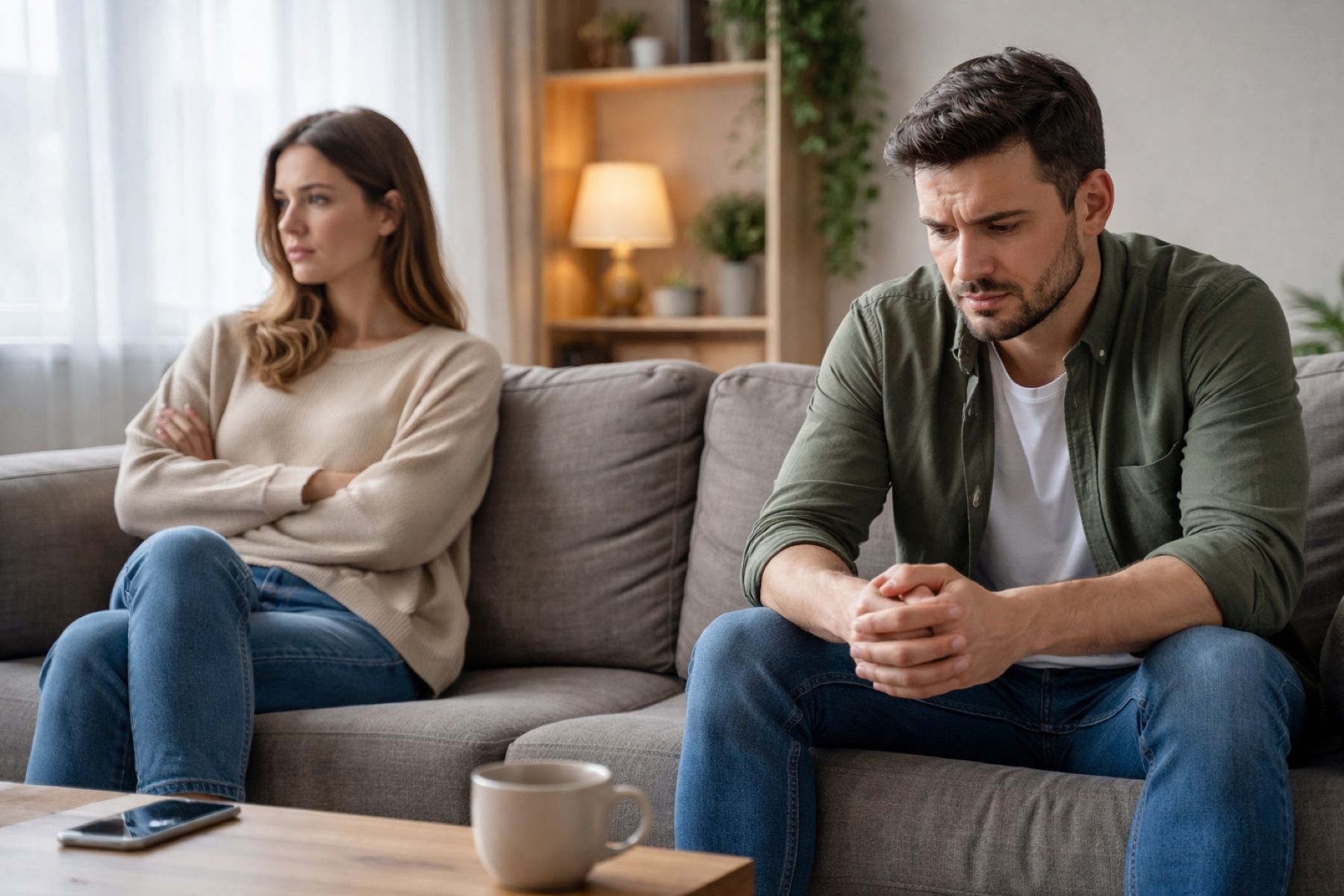
Relationships are living organisms that require constant nourishment, but sometimes, despite our best efforts, the underlying emotional connection begins to shift. When a woman starts to lose romantic attraction, the change is rarely an overnight event. Instead, it is often a gradual erosion of intimacy that manifests through subtle behavioral shifts and psychological distancing. Understanding these signs is not about finding reasons to blame, but rather about gaining the clarity needed to address the situation with empathy and honesty.
Navigating the complexities of human emotion requires a delicate touch. While every individual expresses their feelings differently, there are certain universal patterns that emerge when the “spark” begins to dim. Recognizing these indicators early can provide the space for a reflective conversation or, at the very least, help you understand the changing landscape of your partnership.
Defining Psychological Signs of Lost Attraction
When we discuss the psychological signs of lost attraction, we are referring to the internal shifts in emotional investment and cognitive priority that manifest in outward behavior. Unlike a temporary “rough patch” or a bad mood caused by external stress, these signs represent a consistent decline in the desire for romantic and emotional intimacy. It is a state where the psychological “glue” that holds a romantic bond together—curiosity, vulnerability, and mutual admiration—begins to weaken, leading to a sense of detachment that goes far beyond simple boredom.
1. Emotional Detachment Grows
One of the most profound indicators is a growing sense of emotional distance. In a healthy relationship, partners act as each other’s primary sounding boards, sharing the highs and lows of their day. When attraction fades, you may notice she no longer seeks your comfort or celebrates her wins with you first. She becomes a “closed book,” keeping her deeper thoughts and vulnerabilities to herself. This detachment isn’t necessarily hostile; it often feels like a quiet withdrawal where the emotional bridge between you simply stops being maintained.
2. Conversations Feel Obligatory
Communication is the heartbeat of intimacy, but when attraction wanes, dialogue often becomes transactional. You might find that your chats are limited to logistics—what’s for dinner, the utility bills, or the weekend schedule. The deep, late-night soul-searching conversations are replaced by short, polite responses. It feels as though she is checking a box to maintain peace rather than genuinely wanting to explore your mind or share her own. The curiosity that once fueled hours of talking seems to have evaporated.
3. Physical Touch is Avoided
Non-sexual physical affection, such as holding hands, a lingering hug, or a hand on the shoulder, is a powerful barometer of romantic health. If she begins to subconsciously recoil from your touch or finds subtle ways to avoid physical proximity, it often signals a psychological barrier. This isn’t just about a low libido; it’s about the comfort and safety that physical closeness provides. When the romantic pull is gone, even a simple graze of the hand can feel intrusive rather than comforting.
4. Future Plans Are Dismissed
A partner who is invested in a future with you will naturally include you in their long-term visions. You might notice a shift if she suddenly becomes vague about holiday plans or hesitates to commit to events months away. When a woman loses attraction, her psychological “timeline” often starts to decouple from yours. She may stop using “we” and start using “I” when discussing her goals or upcoming adventures, indicating that she is mentally preparing for a path that may not involve the relationship.
5. Irritability Spikes Suddenly
We all have moments of frustration, but a sign of fading attraction is when your presence itself seems to become a trigger for irritability. Small habits that she once found endearing or at least tolerable might suddenly provoke sharp remarks or visible annoyance. This spike in irritability often stems from internal tension; she may feel guilty about her changing feelings or frustrated by the disconnect, and that pressure leaks out as impatience over trivial matters.
6. A General Lack of Sexual Interest
While fluctuations in sexual desire are normal in any long-term relationship, a persistent and unexplained lack of interest can be a significant sign. It is often less about the physical act and more about the emotional intimacy that sex represents. If the desire for that specific type of connection disappears entirely, it often suggests that the romantic foundation has shifted. Sex becomes a chore rather than a way to bond, leading to a natural inclination to avoid it altogether.
7. The Absence of Sexual Fantasies
In a thriving romantic relationship, partners often occupy each other’s private thoughts and fantasies. When a woman loses attraction, she may find that her mental romantic life no longer features her partner. This is a subtle, internal sign that is rarely discussed but deeply telling. If she no longer views you as a romantic or sexual lead in her internal narrative, the psychological tether that maintains “chemistry” has likely become quite frayed.
8. Unresponsiveness to Advances
When you attempt to flirt or initiate intimacy, her reaction can be a clear indicator of her current emotional state. A partner who is still attracted to you, even if they aren’t “in the mood,” will usually respond with warmth or a gentle explanation. However, if your advances are met with coldness, eye-rolls, or immediate shut-downs, it suggests a deeper aversion. This unresponsiveness is often a protective mechanism to avoid the pressure of an intimacy she no longer feels.
9. Increased Need for Personal Space
Everyone needs “me time,” but a sudden and dramatic increase in the desire for personal space can be a red flag. If she is constantly looking for reasons to be in another room, staying late at work, or filling her schedule with solo activities, she may be using physical distance to manage her emotional discomfort. This space serves as a buffer, allowing her to feel a sense of independence and relief from the “performance” of being in a romantic relationship.
10. Mood Swings Intensify
The internal conflict of losing attraction for someone you care about can be emotionally exhausting. This often manifests as unpredictable mood swings. She might be perfectly pleasant one moment and deeply somber or withdrawn the next. These fluctuations are frequently a reflection of her inner battle—trying to reconcile the history of the relationship with her current lack of romantic feeling. The inconsistency can be confusing for both partners, creating a walking-on-eggshells dynamic.
11. Criticism Becomes Frequent
In the early stages of a relationship, we tend to see our partners through a “halo effect,” where we focus on their best qualities. As attraction fades, this lens flips. She may begin to focus predominantly on your flaws, offering frequent criticisms about your behavior, appearance, or choices. This constant critique serves as a psychological distancing tool; by focusing on what is “wrong” with you, it becomes easier for her to justify the emotional distance she feels.
12. Indifference to Compliments
Perhaps one of the saddest signs is when compliments no longer land. In a healthy relationship, being told you are beautiful, smart, or appreciated by your partner brings a sense of joy. When the attraction is gone, these same words can feel empty or even irritating. She might brush them off, disagree with them, or simply offer a blank stare. This indifference happens because the source of the compliment—the romantic partner—no longer holds the same emotional weight in her life.
Recognizing these signs is a heavy realization, but it is also an opportunity for growth and clarity. Relationships are complex, and attraction can ebb and flow for many reasons, including stress, health, or life transitions. However, if these patterns are consistent, they deserve an honest and compassionate conversation.