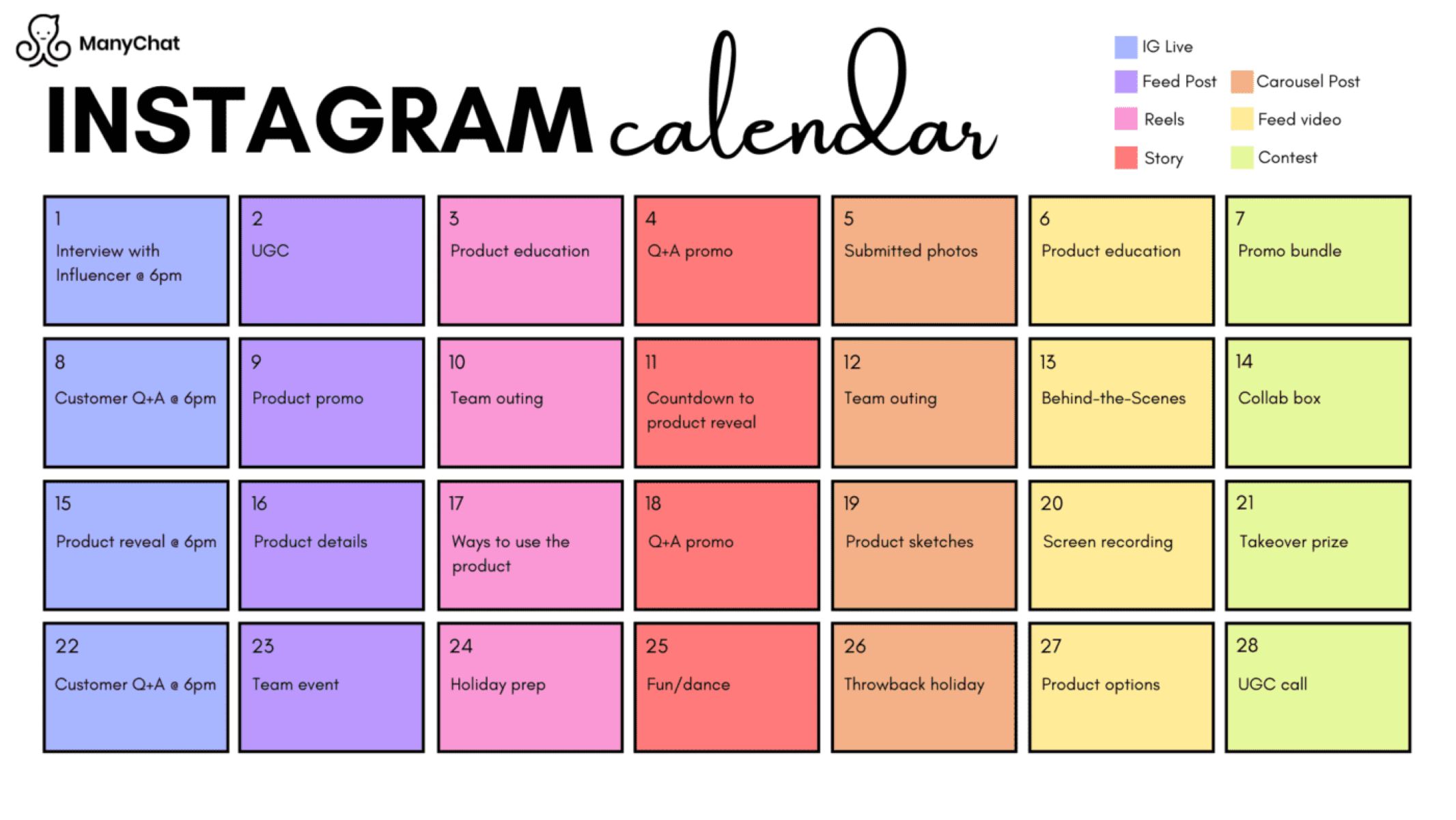
In the fast-paced world of digital marketing, the difference between a brand that thrives and one that merely survives often comes down to organization. We have all been there—staring at a blinking cursor on a Tuesday morning, wondering what on earth to post, or realizing too late that a major holiday passed without a dedicated campaign. This frantic approach not only drains your creative energy but also dilutes your brand’s message.
Success in the digital space requires more than just good ideas; it requires a reliable rhythm. This is where the content calendar comes into play. Far from being just another administrative task, a well-structured calendar serves as the heartbeat of your marketing strategy, allowing you to move from a reactive “emergency” mindset to a proactive, creative flow.
Defining the Content Calendar
At its core, a content calendar—often referred to as an editorial calendar—is a strategic, organized schedule used to plan, track, and manage content across various platforms. Think of it as your brand’s “command center.” Whether you are using a sophisticated project management tool or a simple spreadsheet, the purpose remains the same: to provide a visual overview of what is being published, where it is going, and when it will go live.
A content calendar does more than just list dates. It captures the essential DNA of your strategy, including topics, target audiences, and the specific formats of your pieces. By laying everything out in advance, you can ensure that your social media posts, blog articles, and email newsletters all work in harmony rather than competing for attention.
The Power of Centralized Planning
One of the most immediate benefits of implementing a calendar is the elimination of the “last-minute scramble.” When you have a bird’s-eye view of the next month or quarter, you can see gaps in your schedule before they become problems. This foresight allows you to produce higher-quality work because you aren’t rushing to meet a deadline that appeared out of nowhere.
Centralized planning also allows for better resource management. You can spot when your team might be overextended and adjust deadlines accordingly. By treating your content as a cohesive roadmap rather than a series of isolated events, you create a more professional and reliable presence for your audience, who will come to expect and appreciate your consistency.
Capturing the Essential Information
A truly effective content calendar goes beyond the “what” and “when.” To be a functional tool for a growing team, it must house specific, actionable data. This typically includes the working title of the piece, the intended format (such as a video or a long-form guide), and the specific persona or audience segment you are trying to reach.
Assigning ownership is equally vital. By clearly marking who is responsible for the writing, editing, and publishing phases, you remove ambiguity. Tracking the status of each item—whether it is in the “brainstorming,” “drafting,” or “ready for review” stage—provides instant clarity to everyone involved. This level of detail ensures that nothing falls through the cracks and that every piece of content has a clear path from conception to publication.
Fostering Improved Collaboration
For teams, a content calendar is the ultimate transparency tool. It breaks down silos by allowing everyone, from the graphic designer to the SEO specialist, to see what is on the horizon. When everyone is looking at the same map, communication becomes more efficient and less prone to misunderstanding.
This collaborative environment encourages cross-promotion as well. For example, a social media manager might see a deep-dive blog post scheduled for next Thursday and realize they can create a three-part Instagram Story series to complement it. This synergy is only possible when the schedule is visible and accessible to all stakeholders, turning a group of individuals into a synchronized creative engine.
Strategic Alignment and Brand Cohesion
Perhaps the most significant advantage of a content calendar is the ability to align your output with broader marketing goals. It ensures that your content isn’t just “noise” but is actually driving toward specific business objectives, such as a product launch or a seasonal campaign. By mapping out your content alongside key industry events or holidays, you can ensure your brand stays relevant and timely.
When you plan ahead, you can also maintain a more balanced “content mix.” You can easily see if you are leaning too heavily on promotional posts and need to inject more educational or inspirational value. This strategic balance promotes a cohesive brand message, helping your audience understand exactly who you are and what you stand for, regardless of which platform they use to find you.
Choosing the Right Format for Your Needs
There is no “one-size-fits-all” solution when it comes to the tools you use. For those just starting out, a simple Google Sheet or an Excel workbook is often the most flexible and cost-effective option. These platforms allow for easy customization and real-time updates that are accessible to anyone with a link.
If your needs are more complex, you might explore project management software like Trello, Airtable, or specialized editorial platforms. These tools often offer different views—such as boards, lists, or traditional calendar grids—that can adapt to your specific workflow. The best format is ultimately the one that you and your team will actually use consistently.
Transitioning to a structured content calendar might feel like a significant shift if you are used to a more spontaneous style of creating. However, this organization actually provides the freedom to be more creative. When the logistics are handled and the deadlines are clear, your mind is free to focus on what matters most: telling stories that resonate and provide value to your readers.
By investing the time to plan your journey, you ensure that every piece of content serves a purpose and contributes to your long-term success. It is a commitment to quality that your audience will surely notice.