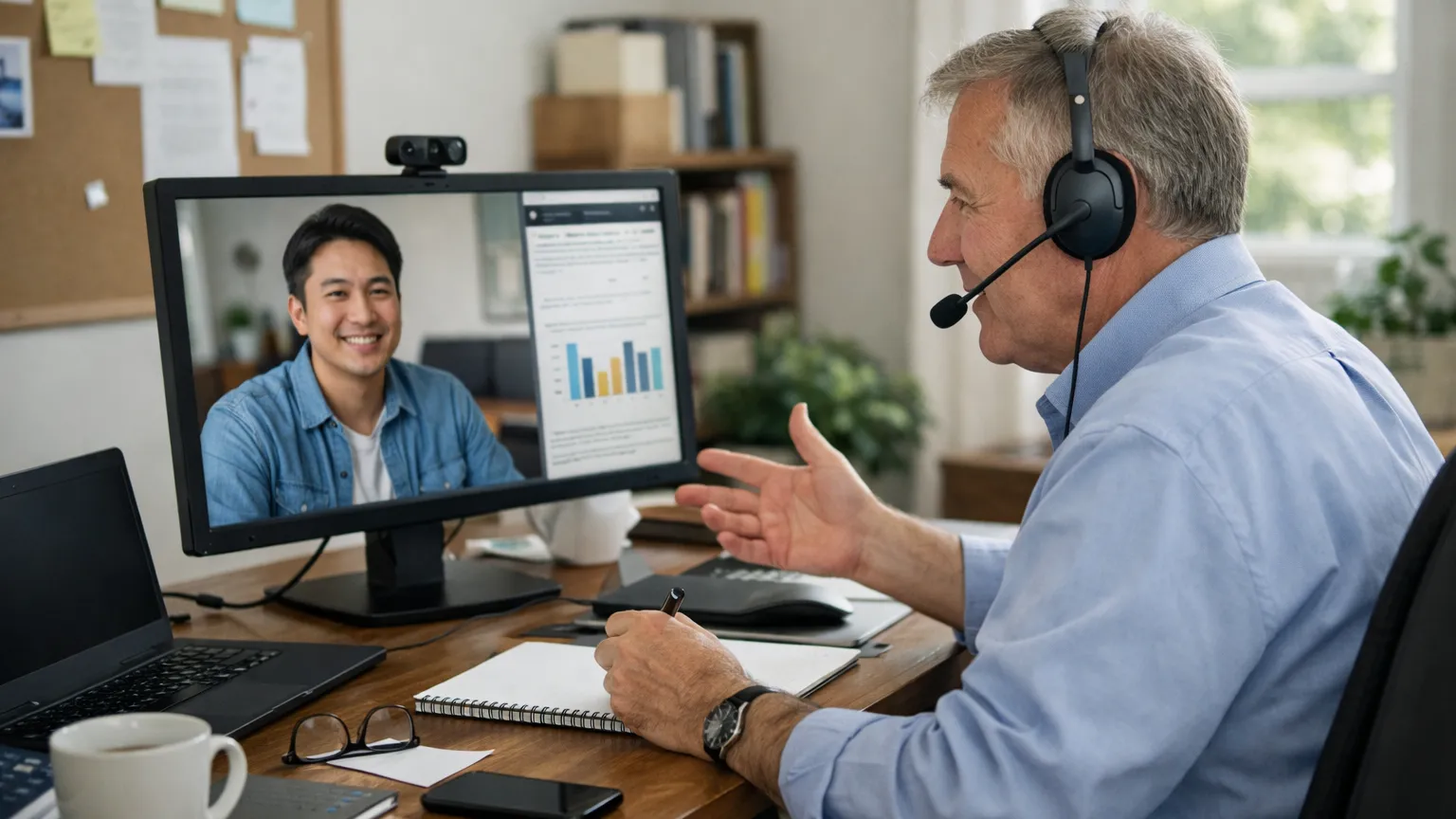
The professional landscape is shifting at a pace that can feel dizzying, even for those who have weathered decades of economic cycles and industry overhauls. For the veteran workforce, the current digital transformation isn’t just a change in how we work; it is a fundamental shift in the workplace DNA. While some might assume that baby boomer career longevity is a code word for simply holding on until retirement, the reality is far more dynamic.
It’s about leveraging a massive reservoir of experience while integrating the tools of the modern age to remain not just relevant, but indispensable. This article explores how experienced professionals can navigate the digital shift, blending their deep-seated wisdom with new-age agility to thrive in today’s competitive market.
Redefining the Veteran Value Proposition in the Digital Age
The narrative surrounding experienced professionals in the workplace often focuses on the “digital divide,” but this perspective overlooks a significant truth: experience is a currency that never devalues. The challenge isn’t a lack of capability; it’s often a matter of translation. How do you take forty years of strategic thinking and apply it to a world driven by real-time data and instant notifications?
The first step is shifting from a “fixed” mindset to a “growth” mindset. In the past, a career path was often linear—you learned a trade, rose through the ranks, and eventually became the expert. Today, expertise has a shorter shelf life. Sustaining your professional standing now requires an identity shift from being the “person who knows” to being the “person who learns.” By embracing this evolution, you aren’t discarding your past achievements; you are simply giving them a modern platform to stand on.
The Power of Lifelong Learning and Technical Agility
To maintain baby boomer career longevity, one must treat learning as a daily habit rather than a sporadic task. This doesn’t mean you need to become a coding expert or a data scientist overnight. Instead, focus on “digital fluency.” This involves understanding the logic behind new technologies and how they impact your specific industry.
Mastering essential digital collaboration tools is no longer optional. Whether it’s Zoom, Microsoft Teams, Trello, or Asana, these platforms are the new office hallways. When you navigate these tools with ease, you remove the friction that often leads to generational stereotyping. It sends a clear signal to your peers and leadership that you are present and fully integrated into the modern workflow. Continuous technical development should be viewed as a toolkit upgrade—sharpening the saw so that your foundational skills can be applied more efficiently.
Leveraging the “Soft Skill” Superpower for Baby Boomer Career Longevity
While technical skills can be taught, the nuanced art of leadership, emotional intelligence, and strategic foresight takes decades to cultivate. This is where seasoned professionals hold a distinct advantage. In a digital workplace that can sometimes feel cold or transactional, the ability to manage conflict, mentor a frustrated junior employee, or see a project’s long-term risks is invaluable.
The key is to leverage this industry experience without being “stuck in the old ways.” Use your history to provide context. For example, when a team is panicked about a market dip, your experience having lived through multiple recessions provides a stabilizing force. You become the “anchor” in the digital storm. This blend of high-tech awareness and high-touch interpersonal skills creates a professional profile that is incredibly difficult to replace.
Cultivating Cross-Generational Synergies
One of the most effective strategies for career sustainment is the development of “reverse mentorship.” We traditionally think of mentorship as the elder teaching the youth, but in the modern workplace, it is a two-way street. Building strong relationships with Gen Z and Millennial colleagues allows for a symbiotic exchange of value.
By mentoring a younger colleague in leadership and corporate politics, you might in turn receive “on-the-fly” coaching on the latest AI prompts or social media trends. This breaks down silos and fosters a culture of mutual respect. It also keeps you “in the loop” regarding the cultural shifts within the company, ensuring that your voice remains influential in decision-making processes.
Adapting to the Borderless Office
The rise of remote and hybrid work environments has been one of the most significant hurdles—and opportunities—for veteran professionals. For those used to the physical presence of an office, remote work can feel isolating. However, it also offers a level of flexibility that supports long-term career health and personal well-being.
To thrive here, you must be intentional about visibility. In a digital environment, if you aren’t seen, it’s easy to be forgotten. This means being active in digital channels, contributing to group chats, and ensuring your “digital body language”—your tone in emails and your presence on video calls—is professional and engaging. Adapting to this environment proves that your productivity isn’t tied to a desk, but to your output and insight.
Crafting a Modern Personal Brand
Your reputation used to live in your Rolodex; now, it lives on LinkedIn. Building a professional personal brand is a crucial component of baby boomer career longevity. It’s about taking control of your narrative. If you don’t define your brand, the digital world will do it for you—often through the lens of outdated tropes.
Update your digital presence to reflect your current capabilities, not just your highlights from decades past. Share articles, write short posts about industry trends, and engage with your network. A strong personal brand acts as an insurance policy for your career. It ensures that recruiters and collaborators see a seasoned professional who is actively engaged with the future, rather than someone resting on their laurels.
Practical Steps for Sustained Career Growth
Staying relevant doesn’t require a total career makeover. It requires consistent, incremental adjustments. If you’re looking to strengthen your position today, consider these actionable steps:
| Action Item | Description | Expected Outcome |
| Audit Your Tech Stack | Identify 3 tools (e.g., Slack, AI tools) you feel “shaky” on. | Increased digital confidence. |
| Curate Your Feed | Follow younger thought leaders in your industry. | Understanding current industry “language.” |
| Volunteer for Pilots | Join teams implementing new software or systems. | Positioning as a forward-thinking leader. |
| Refresh Your Network | Connect with 3 people outside your age demographic monthly. | Breaking down generational silos. |
Embracing the Future with Confidence
The journey of baby boomer career longevity isn’t about fighting against the tide of technology; it’s about learning to surf it. For the experienced professional, the digital workplace isn’t a threat—it’s a megaphone that can amplify your years of hard-earned wisdom. By staying curious, embracing new tools, and fostering connections across generations, you ensure that your career remains as vibrant and impactful as ever.
The workplace needs your experience now more than ever. It needs the steady hand, the ethical compass, and the strategic mind that only decades of work can produce. When you pair those qualities with a modern, digital-first approach, you don’t just survive the evolution of work—you lead it.