





Stepping into an interview room—or logging into a Zoom call—in 2026 feels a bit different than it used to. The job market has become faster, more automated, and hyper-focused on cultural “add” rather than just cultural “fit.” While you might have spent weeks polishing your portfolio, there is one silent killer that often sabotages even the most qualified candidates: bad interview phrases job seekers often use without realizing the impact. Communication in the modern era is no longer just about conveying information; it is about emotional intelligence and brand management.
A single slip of the tongue can instantly shift the atmosphere from “promising lead” to “liability.” When we examine the bad interview phrases job seekers regret most, we aren’t just talking about grammar. We are talking about verbal red flags that signal a lack of confidence, a negative attitude, or a resistance to growth. By understanding which phrases to strike from your vocabulary and how to pivot toward winning responses, you can ensure that your expertise shines through without being clouded by avoidable linguistic blunders.
Why Bad Phrases Ruin Interviews
The interview is essentially a high-stakes simulation of how you will interact with colleagues, clients, and leadership. When a candidate uses certain phrases, the hiring manager isn’t just listening to the words; they are interpreting the underlying traits. For instance, the phrase “I don’t know” in response to a technical question can be a massive momentum killer. While honesty is important, a flat “I don’t know” often signals a lack of resourcefulness or a mental “shut down.”
In the modern workplace, employers value the process of problem-solving. Instead of hitting a dead end, a more effective approach is to say, “That’s an interesting scenario; let me think through how I would approach it.” This transforms a moment of ignorance into a demonstration of critical thinking. Similarly, negativity is a heavy anchor. Phrases like “My last job was toxic” might be true, but they make you look like a potential source of conflict.
Spotting Common Bad Interview Phrases Job Seekers Use Fast
Some phrases have become such clichés that they’ve lost all meaning, while others are subtle forms of self-sabotage. One of the most notorious offenders is the “perfectionist” trope. When asked about a weakness, saying “I’m a perfectionist” is often viewed as a dodge. In 2026, where agility and “good enough to launch” are prioritized over slow-motion perfection, this phrase suggests you might become a bottleneck for the team.
Instead of the fake perfectionist flaw, choose a real area for improvement. If you struggle with public speaking, be honest but pair it with the solution you’ve implemented. This shows self-awareness and a growth mindset—two traits in extremely high demand across US tech and service sectors. Another common pitfall is the “I just need a foot in the door” approach. While it feels flexible, it suggests a lack of direction. Companies want to hire someone who wants this specific role.
Replacing Red Flags with Winning Responses
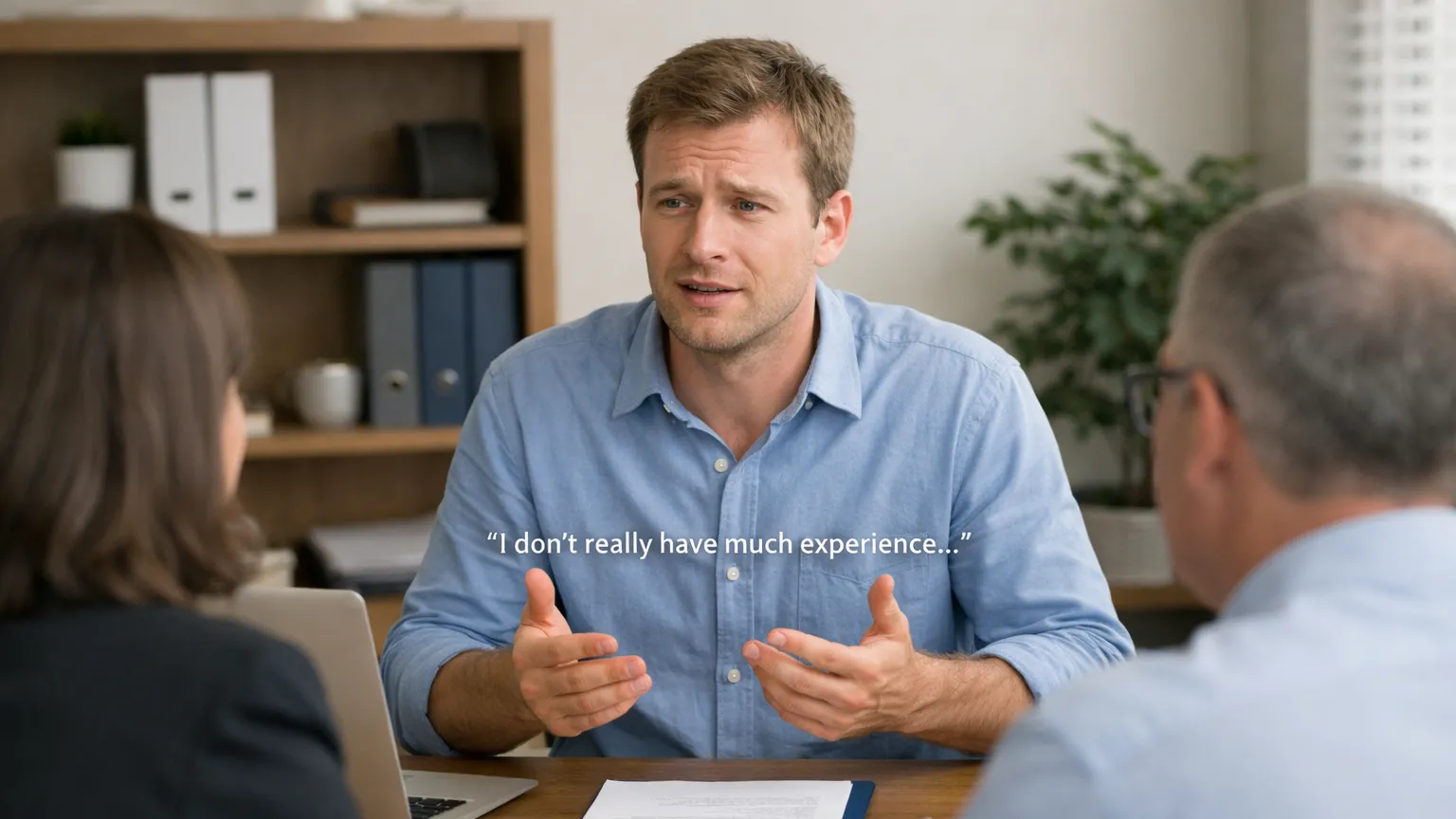
The secret to a successful interview isn’t just avoiding bad interview phrases job seekers typically fall back on; it’s about mastering the “pivot.” If you lack specific experience, don’t apologize. Replace “I don’t have experience with that” with a proactive alternative: “I’m eager to learn that system and I’ve already started exploring it via online certifications to ensure a quick transition.”
When the inevitable “What’s your greatest weakness?” arises, use a narrative of transformation. For example: “In the past, I struggled with delegation because I wanted to ensure every detail was perfect. However, I’ve learned that empowering the team is more effective. Now, I use project management tools to set clear expectations.” This response is grounded, specific, and tech-literate.
Using Preparation Tools to Catch Bad Interview Phrases Job Seekers Use
In 2026, you don’t have to practice in a vacuum. There are incredible tools available to help you catch these “regretful phrases” before they happen.
-
Recording Apps: Use tools like Otter.ai to record practice sessions. Reading a transcript helps you spot filler words like “um,” “actually,” or “like” that dilute your authority.
-
Mock Interviews: Platforms like Interviewing.io or Pramp offer the chance to practice with real professionals who can flag if a phrase sounds defensive.
-
Research Hubs: Glassdoor’s question bank helps you identify trending behavioral prompts so you can script and refine your winning versions.
Avoiding Pitfalls in Real-Time
During the actual interview, your adrenaline is high, which is when bad habits tend to creep back in. One area where candidates often stumble is the “money talk.” While transparency is vital, rambling negatively about pay too early can make you seem disinterested in the work. If the topic comes up prematurely, a graceful deferral works best: “I’m looking for a competitive salary, but right now I’m focused on ensuring this role is the right fit for my skills.”
Beyond words, stay mindful of “digital body language.” If you’re on a video call, casual slang like “that’s crazy” might feel natural, but it’s safer to maintain professional decorum. Pair your refined phrases with consistent eye contact—look at the camera lens, not the self-view window—to reinforce the confidence behind your words.
Building Lasting Verbal Confidence
Changing the way you speak takes repetition. Treat your interview vocabulary like muscle memory. Try creating flashcards with your “problem phrases” on one side and your “winning pivots” on the other. Reviewing these for just ten minutes a week can significantly reduce the likelihood of a slip-up during a high-pressure promotion interview.
Tracking your progress is also vital. Use a simple spreadsheet to log your interviews, noting which phrases resonated and which led to awkward silences. This data-driven approach to your communication style will help you iterate and improve. Engaging with communities like Reddit’s r/interviews can also provide a reality check from peers navigating the same 2026 job market.
Conclusion: Your Words are Your Power
The phrases we choose are the building blocks of our professional reputation. In an era where technical skills are often taken as a baseline, your ability to communicate with clarity, positivity, and strategic intent is what will ultimately land you the offer. Remember that every instance of bad interview phrases job seekers use is simply an opportunity to pivot toward a more powerful narrative. By eliminating negativity, clichés, and self-doubt, you clear the path for your true potential to be seen.





No Response