

The global labor market is currently whispering a quiet but profound transformation. While many of us imagine the “future of work” as a sudden, sci-fi upheaval, the reality is much more subtle. We are witnessing a steady migration where certain tasks are being absorbed by algorithms, leading to an increase in disappearing professions across various sectors. In 2026, we aren’t seeing a mass “robot apocalypse”; instead, it is a gradual fading out of specific roles as technology and consumer habits shift beneath our feet.
Understanding this shift isn’t about fostering fear—it’s about clarity. For professionals today, identifying which roles are facing obsolescence is the first step toward strategic adaptation. Whether you are a student choosing a major or a seasoned veteran looking to pivot, recognizing these shifting career paths allows you to lean into the skills that machines simply cannot replicate: empathy, complex strategy, and creative nuance.
The Rise of the Algorithmic Worker
The primary driver behind today’s job displacement isn’t just physical robots on a factory floor; it is “Agentic AI.” Unlike the basic chatbots of a few years ago, 2026-era AI agents can reason, plan, and execute multi-step tasks. This has placed a particular strain on roles that rely heavily on repetitive data management and standardized communication.
When we look at the trajectory of the next decade, we see a pattern: any job that can be described as a “series of predictable steps” is at risk. However, this decline is silent because it often happens through “blunt force automation”—companies simply not hiring for vacated roles rather than performing mass layoffs. By reading on, you’ll gain a roadmap of the shifting landscape and the “future-proof” skills that are becoming the new gold standard.
10 Careers Facing Gradual Obsolescence
1. Data Entry Clerks and Basic Transcriptionists
For decades, data entry was the entry-level backbone of the corporate world. However, the manual transfer of information has become largely redundant. Modern AI systems now feature near-perfect Optical Character Recognition (OCR) and can categorize data in real-time. In 2026, the role of “entering” data is being replaced by “data auditing,” marking this as one of the primary disappearing professions in the administrative sector.
2. Traditional Retail Cashiers
The shift here is visible every time you walk into a grocery store. Self-checkout kiosks were the first wave, but “Just Walk Out” technology is now maturing. Using computer vision and sensor fusion, retail environments are moving toward a frictionless model where the traditional “checkout” moment disappears entirely, shifting human roles toward customer experience and floor management.
3. Telemarketers and Call Center Operators
The era of the “scripted” phone call is coming to an end. AI voice agents in 2026 are now capable of handling complex customer inquiries with natural inflection. Because most customer service interactions are repetitive—tracking a package or resetting a password—companies are finding it more efficient to use AI, leaving only high-tier support roles for human operators.
4. Basic Bookkeepers and Payroll Clerks
Accounting isn’t dying, but the “compliance” side is being heavily automated. Software can now automatically reconcile bank statements and generate tax filings. For the traditional bookkeeper whose value was purely in “keeping the books balanced,” the market is shrinking. The professionals thriving today are those who have pivoted to strategic financial advisory roles.
5. Traditional Travel Agents
While niche travel consultants remain in demand, the general travel agent is a rarity. With AI-driven planners that curate 10-day itineraries based on personal data in seconds, the middleman has been bypassed. The modern “travel pro” must now act more like a lifestyle concierge to avoid the fate of other disappearing professions.
6. Print Media Production and Pre-press Technicians
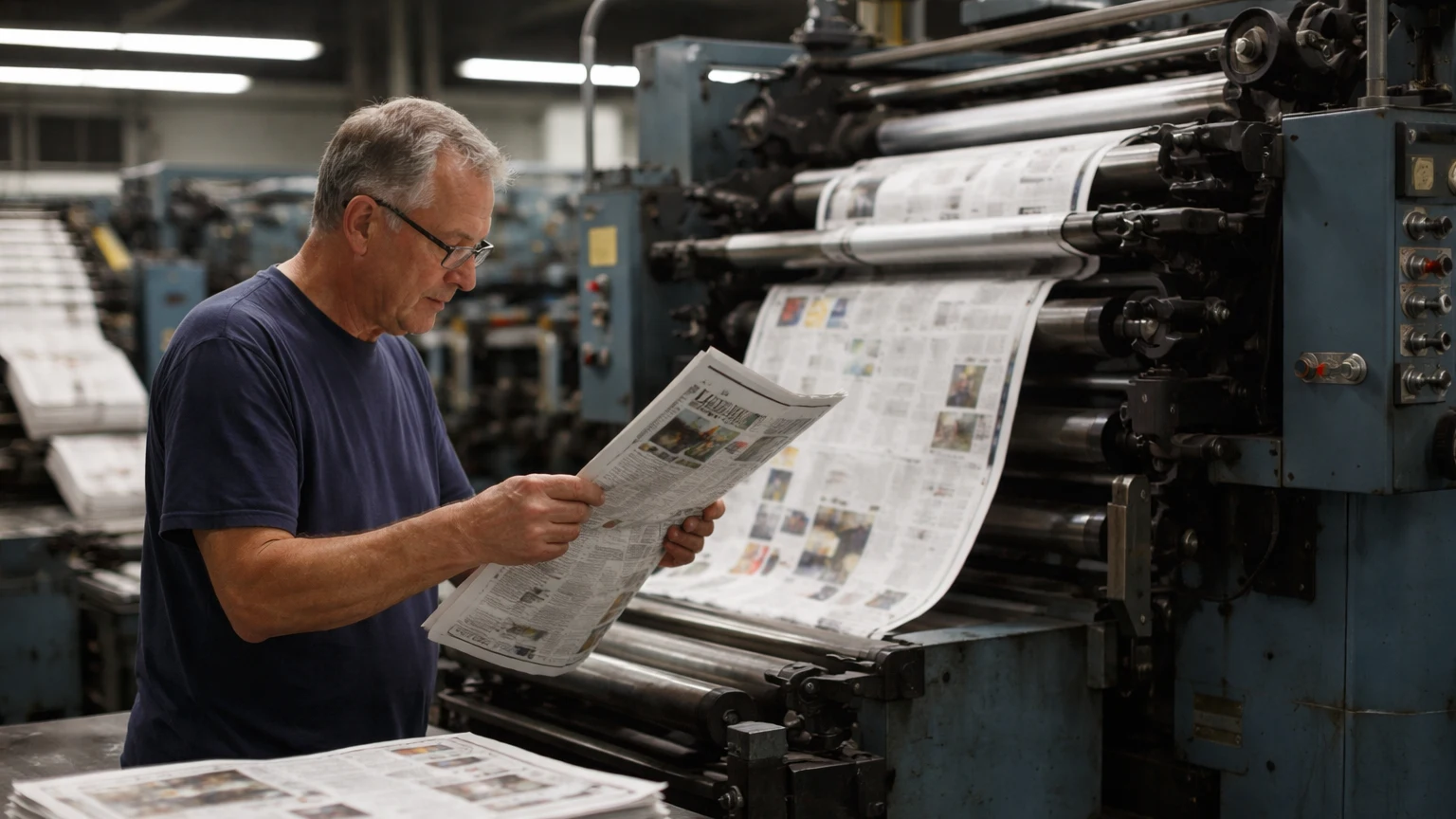
As the world leans into digital-first consumption, specialized roles in physical print production are fading. From newspaper layout technicians to traditional typesetters, the demand is being squeezed by automated digital publishing tools and a migration of marketing budgets toward interactive, AR-driven content.
7. Manufacturing Assembly Line Workers
In 2026, we are seeing the rise of “Cobots”—collaborative robots that work alongside humans. However, for highly repetitive manual tasks, humans are being phased out entirely. The “Smart Factory” model requires fewer manual laborers and more “Robotics Technicians” to oversee the complex machinery.
8. Basic Research and Data Analysts
If your job is to find information and summarize it, you are in the “splash zone” of generative AI. Current models can scan thousands of pages of journals or reports and produce a summary in seconds. The role is evolving from “Information Gatherer” to “Insight Interpreter,” where the human provides the strategic “so what?”
9. Delivery Drivers (Last-Mile Logistics)
While autonomous semi-trucks aren’t everywhere yet, the “last-mile” space is under siege by sidewalk robots and drones. In urban centers, small autonomous pods are increasingly handling food and parcel delivery. This contributes to the list of disappearing professions where wages are stagnating as algorithms take over dispatching duties.
10. Insurance Underwriters (Standard Risks)
The process of assessing risk for standard insurance—like auto or basic life—is now almost entirely algorithmic. By analyzing vast datasets, AI can predict risk profiles more accurately than a human underwriter using a manual checklist. Underwriting is becoming a niche profession reserved for high-value, complex, or unusual risks.
Practical Strategies: How to Future-Proof Your Career
The common thread in all these disappearing roles is predictability. If a task can be predicted, it can be programmed. To stay relevant in 2026 and beyond, you must lean into the “un-programmable” aspects of being human.
-
Master AI Fluency: Don’t fight the tools; learn to steer them. The person who knows how to manage the AI will always be more valuable than the one trying to outrun it.
-
Double Down on “Soft” Skills: Emotional intelligence and leadership are increasingly rare. A machine can’t “read the room” or build a trust-based relationship during a crisis.
-
Shift from “Doing” to “Deciding”: Focus on roles that require judgment. AI can give you ten options; the human’s job is to choose the right one based on ethics and long-term vision.
-
Continuous Upskilling: Successful professionals now treat their skills like software—they require regular “updates” to remain compatible with the shifting market.
Embracing the New Professional Era
The decline of these professions shouldn’t be viewed as a tragedy, but as an evolution. By automating the mundane and repetitive tasks of the past, we are being invited to do more “human” work. The silent decline of the old world is making room for a new era where creativity, empathy, and strategic thinking are the primary drivers of value.
The best way to navigate this transition is to remain curious. Ask yourself: What part of my job requires me to be truly present? That is the part you should cultivate to ensure you stay ahead of the curve in a landscape of disappearing professions.