

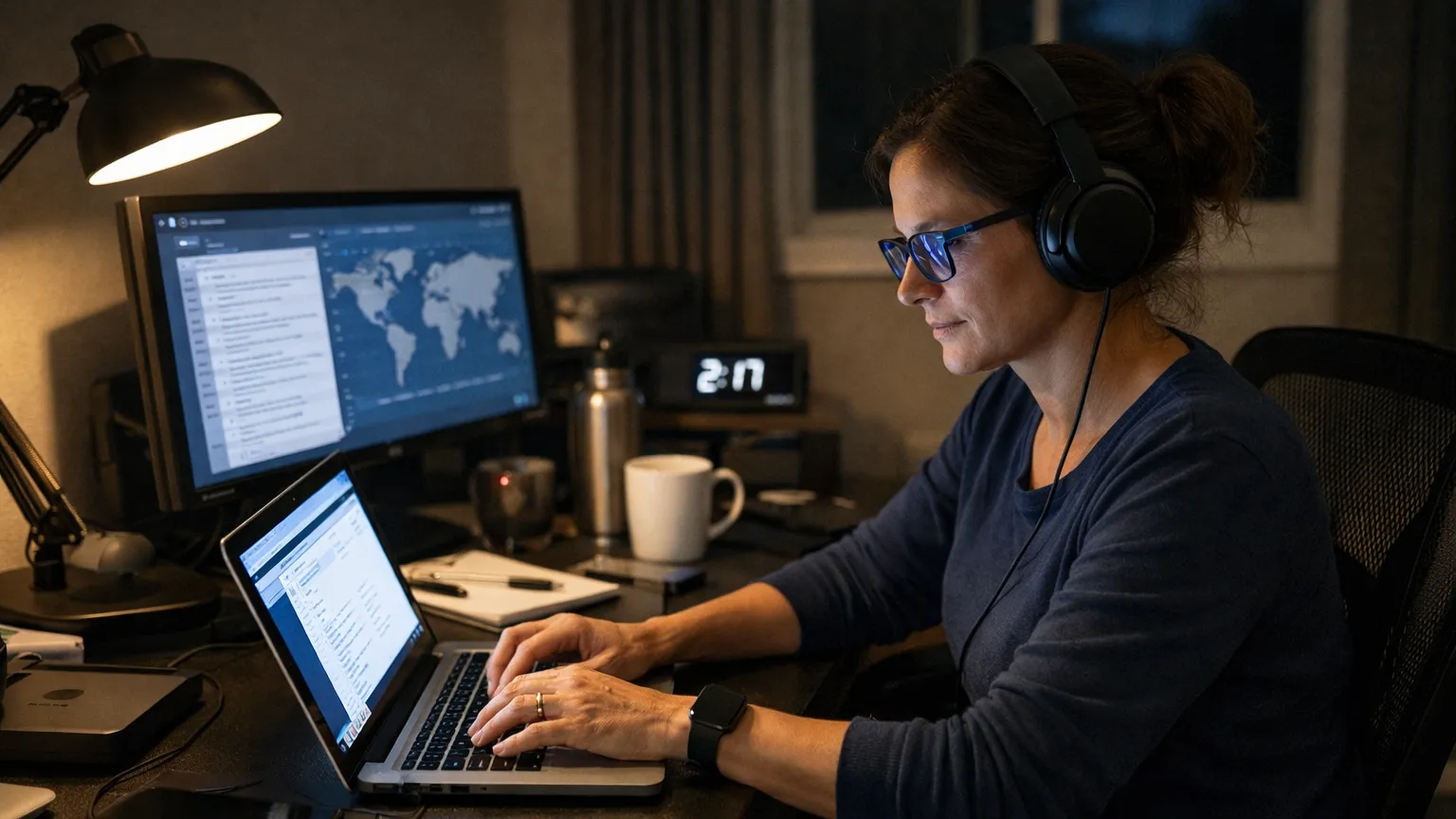
The modern landscape of work has shifted dramatically, moving away from the rigid confines of the traditional nine-to-five office structure. For many professionals, the quiet hours of the night offer a unique opportunity to build additional income streams or transition into a lifestyle that favors solitude and focus. Engaging in remote night shifts is no longer just for emergency services or late-night hospitality; it has become a strategic choice for digital nomads, parents, and career pivoters who find their peak productivity occurs while the rest of the world sleeps.
Defining Remote Night Shifts in the Digital Era
When we talk about remote night shifts, we are referring to professional tasks or full-time roles performed during the late evening to early morning hours, typically between 8:00 PM and 6:00 AM. In the context of the global digital economy, these shifts often involve working for companies in different time zones or managing asynchronous tasks that do not require real-time collaboration. Unlike traditional graveyard shifts, remote nocturnal work allows for a high degree of flexibility, enabling individuals to leverage technology to bridge geographical gaps while staying within the comfort of their own homes.
Identifying High-Demand Asynchronous Remote Roles
The first step in building a successful nocturnal career is identifying roles that do not require you to be “on call” for meetings. Asynchronous roles are the gold standard for remote night shifts because they prioritize output over presence. Fields such as software development, technical writing, and graphic design are particularly well-suited for this. Many companies now operate on a “follow the sun” model, where work is handed off across time zones, making the night-time professional a vital link in the chain of continuous productivity.
Evaluating Personal Circadian Rhythm Compatibility
Before diving into a permanent late-night schedule, it is essential to reflect on your own biological clock. Not everyone is a natural “night owl,” and forcing a nocturnal schedule against your biology can lead to burnout. Taking a week to monitor when your energy naturally peaks and dips can provide invaluable insight. If you find that your cognitive clarity sharpens after sunset, you are likely a prime candidate for professional night work. Success in this area is less about grit and more about aligning your professional responsibilities with your internal rhythm.
Auditing Global Time Zone Arbitrage Opportunities
One of the most profitable ways to approach remote night shifts is through time zone arbitrage. This involves living in one part of the world while working for clients or companies in another where the currency is stronger or the pay scales are higher. For instance, a professional based in Southeast Asia can easily handle customer success or project management for a firm in New York. This setup turns your local night into a standard business day for your employer, often resulting in higher pay rates and more seamless communication than traditional freelance “gig” work.
Targeting Micro-Tasking for Low Cognitive Load
Not every hour of a night shift needs to be dedicated to high-stakes strategy. For those who are just starting out or working around a primary day job, micro-tasking platforms offer a way to generate revenue with a lower cognitive load. These tasks might include image labeling for AI training, short surveys, or data verification. While the individual pay per task is small, the cumulative effect during quiet night hours can be a steady and reliable supplemental income without the stress of intense deadlines.
Streamlining Freelance Content Moderation Workflows
As the internet continues to expand, the need for content moderation has skyrocketed. This is a field that never sleeps, making it a perfect fit for remote night shifts. Moderating community forums, social media comments, or e-commerce reviews requires a keen eye and a calm temperament. By streamlining your workflow—using specialized browser extensions or keyboard macros—you can manage high volumes of content efficiently. This role is ideal for those who prefer a structured environment with clear guidelines and immediate results.
Optimizing Data Entry Batching Techniques
Data entry remains a staple of the remote work world due to its simplicity and the ability to perform it independently. To make this truly profitable at night, professionals should focus on batching techniques. Instead of jumping between different types of data, group similar tasks together to maintain a steady flow and reduce mental fatigue. During the quiet hours of a remote night shift, the lack of interruptions allows for a level of speed and accuracy that is difficult to achieve during the busy daytime hours.
Leveraging Automated Digital Asset Management
For those in creative or administrative fields, managing digital assets like photos, videos, or documents can be a lucrative niche. Many businesses struggle to keep their digital libraries organized. You can spend your night shifts categorizing, tagging, and uploading assets for large marketing firms or media houses. By using automation tools to handle repetitive parts of the process, you can increase your hourly value and provide a service that is highly organized and ready for the client’s morning start.
Implementing Strict Blue Light Mitigation Strategies
Working at night presents unique challenges to your physical health, particularly regarding eye strain and sleep quality. Since you will be staring at screens during hours when your body expects darkness, implementing blue light mitigation is non-negotiable. Using software that warms the color temperature of your monitor or wearing high-quality blue-light-blocking glasses can help maintain your melatonin levels. This proactive approach ensures that when your shift ends, your brain is actually ready to transition into a restful state.
Establishing Sustainable Nocturnal Workspace Ergonomics
A dedicated workspace is vital for anyone working from home, but it is especially critical for those on remote night shifts. Lighting should be layered—bright enough to keep you alert but not so harsh that it creates glare. Investing in a high-quality ergonomic chair and a standing desk can prevent the physical lethargy that sometimes sets in during the early morning hours. A well-designed environment signals to your brain that it is time to work, helping to maintain a clear boundary between your professional life and your domestic rest.
Monitoring Financial Gains Against Sleep Quality
The ultimate goal of taking on night-time work is to improve your financial standing or lifestyle, but this should never come at the cost of your long-term health. It is wise to periodically audit your situation by weighing your financial gains against your quality of sleep and social well-being. If the revenue is high but your health is declining, it may be time to adjust your hours or the intensity of the work. A sustainable remote night shift is one where you feel both financially rewarded and physically rejuvenated.
The rise of the global gig economy has made the night shift a viable and often superior choice for many modern professionals. By choosing the right roles and protecting your health, you can turn the quiet of the night into your most productive and profitable asset.