







Landing an interview is a victory in itself. It means your resume did its job, your credentials hit the mark, and you’ve managed to pique the interest of a hiring manager. But as many seasoned professionals know, the gap between a “great conversation” and a “job offer” can be surprisingly wide. Often, that gap is filled with common interview mistakes that we don’t even realize we’re making. Whether it’s a slight slump in your posture or a stray comment about a former boss, these pitfalls can quietly dismantle your candidacy before the meeting even ends. By understanding these common traps, you can shift your focus from merely surviving the interview to truly mastering it.
Understanding the Root Causes of Interview Failure
The most frequent reason interviews go south isn’t a lack of talent; it’s a lack of intentionality. Many candidates walk into the room—or log into the Zoom call—relying solely on their past achievements to carry them through. However, overconfidence in your previous experience can be a dangerous blind spot. If you assume your resume speaks for itself, you might neglect the deep company research that proves you actually care about this specific role. Hiring managers can tell within minutes if you’ve spent an hour on their website or just five minutes glancing at their LinkedIn page.
Beyond research, there is the issue of self-awareness. We all have “tells”—nervous habits or verbal crutches—that emerge when we are under pressure. Without practicing out loud or recording yourself, you might be completely unaware that you tap your pen or circle back to the same three anecdotes regardless of the question asked. When you fail to prepare for the specific nuances of a role, you end up giving generic answers that don’t differentiate you from the dozens of other qualified people in the queue.
Common Interview Mistakes in Non-Verbal Cues
Communication is rarely just about the words we choose. In a high-stakes environment like an interview, your body language often speaks louder than your pitch. One of the most frequent errors is a struggle with eye contact. Some candidates, out of nerves, stare intensely at the interviewer, which can feel aggressive. Others look at their lap or the ceiling while thinking, which can come across as a lack of confidence or even dishonesty. Finding that “sweet spot” of natural, engaging eye contact is essential for building rapport.
Your physical presence in the chair also tells a story. Slouching can signal a lack of energy or professionalism, while sitting on the very edge of your seat might make you seem overly anxious. Fidgeting—whether it’s playing with a ring, touching your face, or bouncing a leg—creates a visual distraction that pulls the interviewer’s focus away from your brilliant answers. Even the way you greet people matters; a handshake that is either too limp or bone-crushing can set a strange tone before the first question is even asked. Don’t forget to smile; it’s a simple human connection that reminds the interviewer you’re someone they’d actually enjoy working with every day.
Verbal Communication Errors to Avoid
When the talking actually begins, the biggest “red flag” a candidate can wave is negativity. Speaking poorly about a former employer, manager, or colleague is an immediate deal-breaker for most recruiters. Even if your previous workplace was genuinely toxic, bringing that energy into an interview suggests that you might be difficult to manage or prone to gossip. It’s always better to frame your departure in terms of seeking new challenges rather than escaping old problems.
Another frequent verbal trap is the “rambling” response. When we are nervous, we tend to talk until we find the point, rather than starting with the point. This leads to long, winding stories where the actual answer gets lost in the weeds. This is often accompanied by filler words like “um,” “like,” or “you know,” which can dilute the perceived authority of your statements. Furthermore, interrupting an interviewer—even out of excitement to answer—can be seen as a lack of listening skills. An interview is a dialogue, and the most successful candidates are those who know how to listen as effectively as they speak.
Performance and Strategy: Avoiding Common Interview Mistakes
You might think that having fifteen years of experience makes you immune to interview blunders, but veteran professionals often fall into unique traps. The most prevalent is the “Experience Shield”—the belief that because you’ve done the work, you don’t need to prove how you did it. This often leads to an air of entitlement or arrogance. Hiring managers aren’t just looking for someone who can do the job; they are looking for someone who fits the team. If you come across as someone who thinks they are “above” the interview process, you’ll likely be passed over for a more humble candidate.
Experienced pros also tend to get lazy with data. Instead of saying, “I helped grow the department,” you should be saying, “I implemented a new workflow that increased output by 22% over six months.” Without specific, data-backed results, your claims feel hollow. Additionally, the industry moves fast. If you haven’t updated your knowledge on current tools or trends, your decades of experience can start to look like an inability to adapt. Never dismiss “basic” behavioral questions like “Tell me about a time you failed.” These aren’t just for entry-level roles; they are tests of your emotional intelligence and growth mindset.
Logistics and Professionalism Red Flags
Sometimes, the interview is lost before it even starts due to a lack of basic professional hygiene. Arriving late is the most obvious offense, but arriving too early can also be a burden on the interviewer’s schedule. Aim for a ten-minute window. If you’re meeting in person, your attire should reflect the company culture but lean slightly more formal. Showing up in messy or overly casual clothes suggests you don’t take the opportunity seriously.
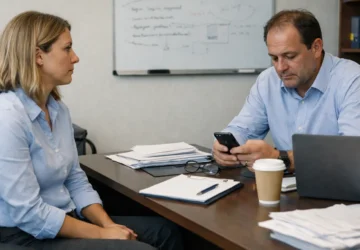
In our digital age, the phone is perhaps the biggest culprit of unprofessionalism. Even having it face-up on the table can be a distraction. If it vibrates or lights up, your focus is split. Keep it in your bag or pocket, and make sure it’s on silent. Other sensory distractions, like a strong scent of perfume or smoke, can also be off-putting in a small meeting room. Finally, always come prepared with the basics: a few physical copies of your resume and a notebook. It shows you are organized and ready to get to work.
Practical Solutions for a Flawless Interview
So, how do you turn these potential pitfalls into a polished performance? It starts with a shift in your preparation strategy to eliminate common interview mistakes before they happen.
-
The Mock Interview: Don’t just think about your answers; say them out loud. Use a mirror or record a video of yourself on your phone. This is the only way to catch those “ums” and fidgets before they reach the interviewer.
-
The STAR Method: For every behavioral question, use the Situation, Task, Action, and Result framework. This keeps your stories concise and ensures you always end on a high note with a tangible outcome.
-
The “Two-Way Street” Mentality: Prepare at least three to five thoughtful questions for the interviewer. Ask about the team’s biggest challenge this year or how the company defines success for this role. This proves you are thinking about the future, not just the paycheck.
-
The Logistics Check: If the interview is virtual, test your lighting, background, and microphone an hour before. If it’s in person, do a dry run of the commute to ensure you know exactly where to park and which floor to go to.
Mastering the Post-Interview Follow-Up
The interview doesn’t actually end when you walk out the door. Your post-interview conduct is the final data point the hiring team will use to judge your professionalism. A personalized thank-you email sent within 24 hours is non-negotiable. Rather than a generic “thanks for your time,” mention a specific topic you discussed or a point the interviewer made that resonated with you. This reinforces your engagement and keeps you top-of-the-mind.
However, there is a fine line between being proactive and being aggressive. Asking about the hiring timeline during the interview gives you a window of when to expect news. If they say you’ll hear back in a week, don’t email them on day two. Avoid “spamming” the recruiter with multiple check-ins. Instead, use that waiting period to reflect on your performance. What went well? Where did you stumble? Even if you don’t get this particular job, every interview is a masterclass in self-presentation if you’re willing to learn from it.
Mastering the interview process is less about being perfect and more about being prepared. By identifying and correcting common interview mistakes—from the unconscious tilt of your head to the way you frame your past experiences—you transform yourself from just another applicant into the obvious choice for the role.




No Response