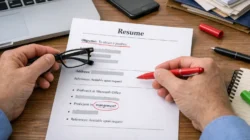

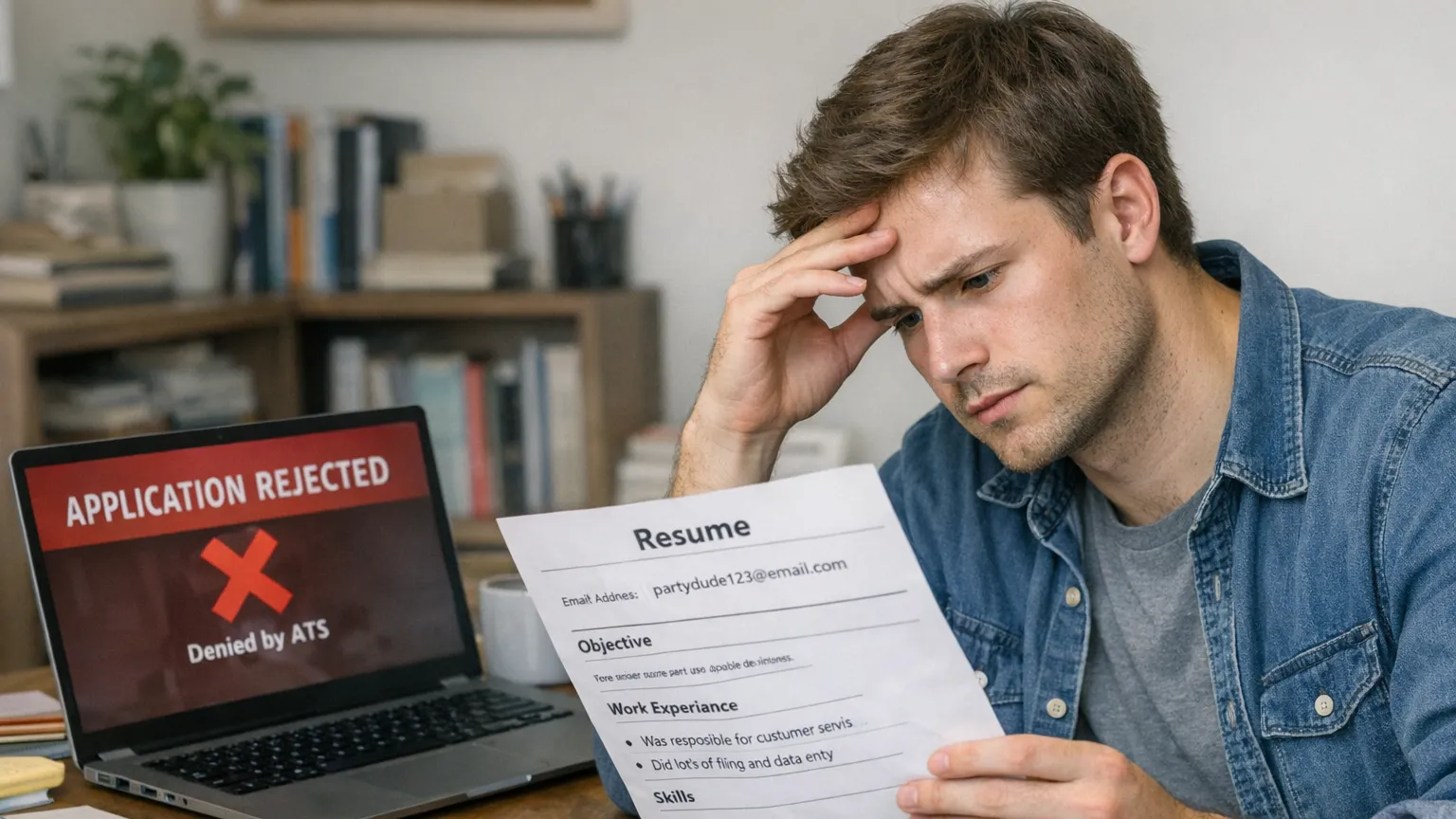
Entering the job market for the first time feels a bit like trying to solve a puzzle where the picture on the box keeps changing. You’ve got the degree, the drive, and a caffeine-fueled determination to succeed, yet the “we’ve decided to move forward with other candidates” emails keep hitting your inbox. If this sounds familiar, the culprit might not be your potential, but rather common resume mistakes hiding within the document representing it. A resume is more than a list of where you went to school; it is your first—and often only—handshake with a recruiter.
For entry-level applicants, the challenge is twofold: you have to prove you’re capable despite a shorter work history, and you have to do so while avoiding the invisible “landmines” that cause hiring managers to hit the delete button. Understanding these critical errors is the first step toward building a document that doesn’t just sit in a database, but actually gets you into the interview room. By the end of this guide, you’ll know how to spot these flaws and transform your application into a high-performance career tool.
The Hidden Barriers Between You and the Interview
Most applicants assume a human being reads every application that comes through the door. In reality, your first “boss” is usually an algorithm known as an Applicant Tracking System (ATS). One of the most frequent resume mistakes is falling into the trap of the “generic template” found on basic word processors. While they look clean to the human eye, these templates often use rigid layouts or hidden tables that scramble your data when an ATS tries to read it. If the machine can’t parse your info, a human never will.
Beyond the digital gatekeepers, there’s the issue of professional branding—or a lack thereof. Using an email address like gamerguy99@email.com might have been fine for college clubs, but it acts as a red flag for recruiters. Similarly, including irrelevant personal details like your height, marital status, or a headshot (unless specifically required in your region) wastes precious “above-the-fold” real estate that should be used to highlight your skills.
Structural Flaws and Formatting Resume Mistakes
Structure is the skeleton of your resume; if it’s weak, the whole presentation collapses. Many entry-level candidates struggle with “information density.” This usually manifests in two ways: either the resume is a sea of overwhelming text blocks that no recruiter has time to read, or it’s an overly decorative “creative” resume that values style over substance. Using neon colors or avant-garde fonts might feel like a way to stand out, but it usually just results in eye strain for the hiring manager.
Length is another contentious point. While the “one-page rule” is sometimes flexible, exceeding two pages as an entry-level applicant is almost always a tactical error. It suggests you can’t prioritize information. Disorganized chronological history or burying your contact details at the bottom of the page makes the recruiter work too hard. In the world of hiring, if a recruiter has to hunt for your phone number or your graduation date for more than six seconds, they’ve likely already moved on to the next candidate.
Moving Beyond the “Duty List” Mentality
Perhaps the most significant content error is listing duties instead of achievements. Many resumes read like a job description: “Responsible for filing papers” or “Handled customer queries.” This tells a recruiter what you were supposed to do, not how well you did it. To optimize your document and avoid these resume mistakes, you must bridge the “information gap” by including measurable data.
-
Did you increase social media engagement by 20%?
-
Did you manage a budget of $500 for a student event?
These numbers provide the “proof of work” that recruiters crave. Furthermore, many applicants neglect the power of industry keywords. Failing to mirror the language of the job description—such as specific software names or methodology terms—makes you look like a “generic” fit rather than a “perfect” fit. Even volunteer work or side projects should be framed with these keywords to show that your skills are transferable.
Strategies for a High-Impact Entry-Level Resume
Correcting these resume mistakes doesn’t require a total rewrite; it requires a strategic shift in how you present your story. Here are actionable ways to optimize your document:
-
Audit Your Formatting: Stick to clean, sans-serif fonts like Arial or Calibri. Ensure your margins are consistent (0.5 to 1 inch) and use white space to your advantage. Save your file as a PDF unless the job description specifically asks for a .docx format.
-
Focus on Technical and “Hard” Skills: While “team player” and “hard worker” are nice sentiments, they are “soft” skills that are hard to prove on paper. Prioritize specific technical proficiencies like Python, Adobe Creative Suite, or advanced Excel.
-
The “So What?” Test: For every bullet point you write, ask yourself “So what?” If you wrote “Attended weekly meetings,” the answer might be “to coordinate project timelines across three departments.”
-
Proofreading as a Ritual: A single typo in your contact information can cost you a job. Use tools like Grammarly, but also read your resume backward to catch spelling errors that your brain might otherwise skip over.
Polishing Your Professional Narrative
The transition from a student or a career-changer to an entry-level professional is all about credibility. Avoid the temptation to fabricate or exaggerate your responsibilities. The professional world is smaller than you think, and “padding” your experience usually comes to light during the interview. Instead, lean into your genuine experiences—even if they are from a part-time retail job or a volunteer position—and describe them with the same level of professional rigor you would a corporate role.
Consistency is your best friend. If you use a specific date format in the “Education” section, use that same format in “Experience.” This attention to detail signals to a recruiter that you are meticulous. It’s these small, cumulative “wins” in formatting and content that build a narrative of competence.
Closing the Gap Between Applicant and Hire
Your resume is a living document, not a static one. The biggest mistake you can make is treating it like a “set it and forget it” task. By avoiding generic templates, focusing on measurable achievements, and ensuring your formatting is ATS-friendly, you place yourself in the top 10% of entry-level applicants before you’ve even said a word.
Success in the job hunt isn’t just about having the most experience; it’s about communicating the experience you do have with clarity. Take a look at your current draft today—is it hindered by common resume mistakes, or does it highlight your true potential? A few hours of optimization can be the difference between a silent inbox and an invitation to interview.