






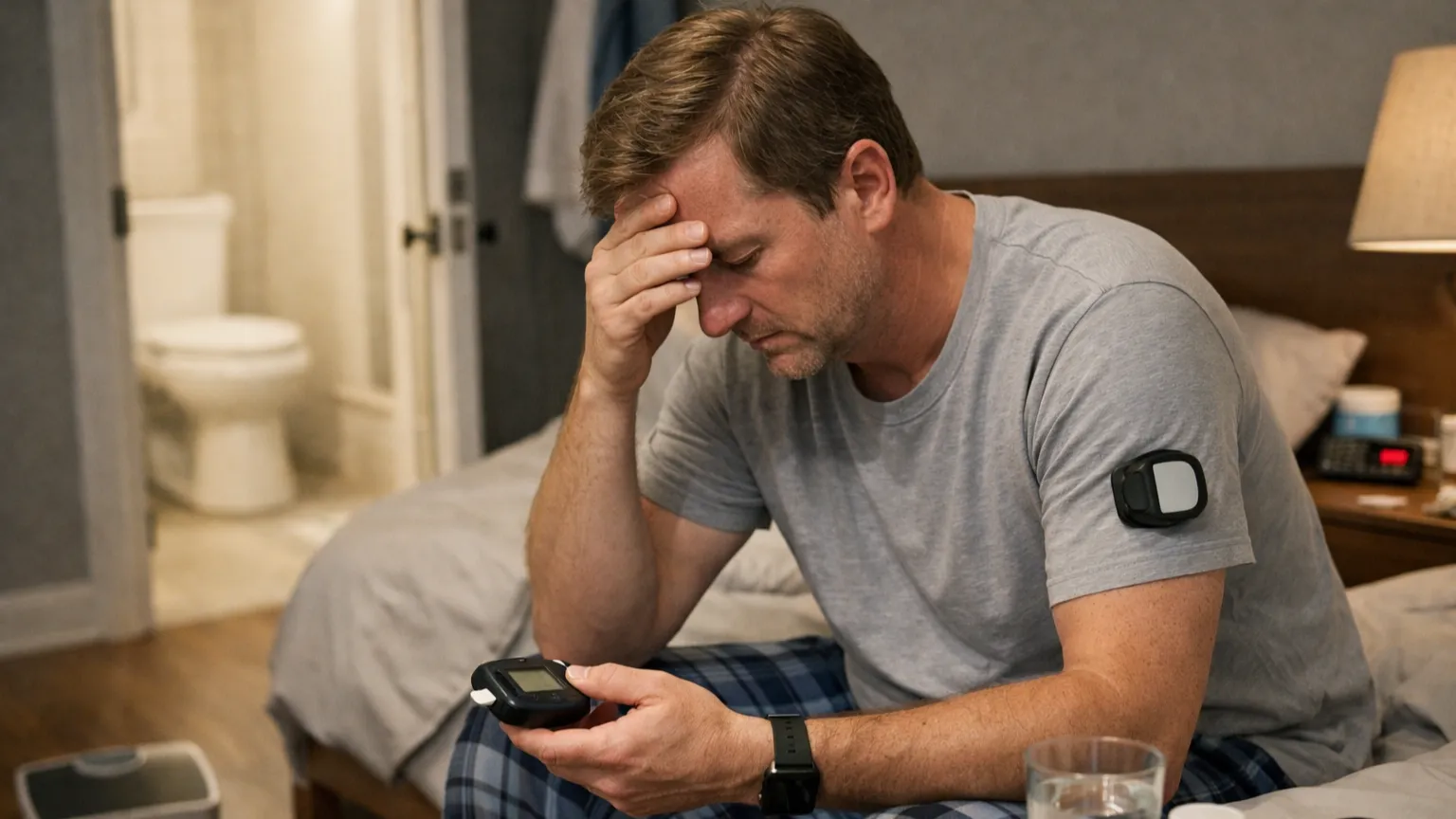
When we think of Type 1 diabetes, many of us still picture a “childhood disease.” For a long time, the medical community and the public alike viewed this autoimmune condition as something that only appeared in the playground years. However, reality tells a different story. In the United States, a significant number of Type 1 diagnoses are now occurring in adults, often catching them completely off guard. Identifying the type 1 diabetes early warning signs symptoms adults experience is the first step in managing a condition that doesn’t care if you’re 25, 35, or 45; it happens when the body’s immune system mistakenly attacks insulin-producing cells in the pancreas.
Understanding these red flags is more than just a health tip—it is life-saving information. Because the symptoms can mimic the effects of a busy lifestyle, stress, or a simple flu, many adults overlook them until they reach a state of emergency. By recognizing these indicators early, you can take control, avoid dangerous complications like Diabetic Ketoacidosis (DKA), and transition into a manageable, healthy life with the right tools and support.
The Subtle Shift: Why Adult Diagnosis is Different
In children, Type 1 diabetes often strikes with sudden, dramatic intensity. In adults, the onset can sometimes be more gradual, leading to a misdiagnosis of Type 2 diabetes. However, the underlying problem remains: your body is no longer producing the insulin required to move sugar from your bloodstream into your cells for energy.
When this process breaks down, your blood sugar levels skyrocket. Your body begins to look for alternative energy sources, essentially starving while you’re eating, and tries desperately to flush out the excess sugar through your kidneys. This biological “fire drill” creates a specific set of symptoms that are quite distinct if you know what to look for.
7 Urgent Signs You Should Never Overlook
1. Frequent Urination (Polyuria), Especially at Night
One of the most common type 1 diabetes early warning signs symptoms adults report is a sudden increase in trips to the bathroom. When your blood glucose is high, your kidneys can’t reabsorb all that sugar, so they draw water from your tissues to help flush it out. If you find yourself waking up multiple times a night—a change from your usual routine—it’s a major indicator that your blood sugar is pulling fluid from your system.
2. Unquenchable Thirst (Polydipsia)
Following closely behind frequent urination is an intense, persistent thirst. This isn’t the kind of thirst that goes away after a glass of water. Because your body is losing so much fluid, it sends a constant signal to your brain that you are dehydrated. You might find yourself drinking liters of water and still feeling like your mouth is a desert.
3. Unexplained Weight Loss
Perhaps the most alarming sign for many adults is losing weight without trying. You might be eating normally—or even more than usual—and still watching the numbers on the scale drop. This occurs because, without insulin, your cells can’t get the glucose they need for fuel. In response, your body starts burning fat and muscle for energy at a rapid rate.
4. Extreme Fatigue and Weakness
We all get tired, but “diabetes fatigue” is a different animal. It’s a deep, cellular exhaustion. Even after a full night’s sleep, you may feel like you’ve run a marathon. Since your cells aren’t receiving their primary energy source, your body is essentially running on empty, leading to brain fog and irritability.
5. Blurry Vision
High blood sugar levels can cause the lenses in your eyes to swell, which changes your ability to focus. If your vision suddenly seems “fuzzy” or you’re struggling to read signs that were clear last week, don’t rush to the eye doctor just yet. This is often a temporary symptom of high glucose that stabilizes once blood sugar is managed.
6. Slow-Healing Sores or Frequent Infections
High glucose levels can affect blood flow and interfere with the body’s natural healing process. You might notice that a simple paper cut takes weeks to heal, or you might deal with frequent skin or yeast infections. Bacteria and yeast thrive in high-sugar environments, making the body more susceptible to these issues.
7. Breath That Smells Fruity
As the body breaks down fat for fuel, it produces chemicals called ketones. When ketones build up in the blood, they can give your breath a distinct fruity, or even chemical (like nail polish remover), scent. This is a sign that your body is becoming acidic—a condition known as DKA—and requires immediate medical attention.
Taking Charge: Daily Blood Sugar Monitoring Basics
If you recognize these type 1 diabetes early warning signs symptoms adults often face, the first step is testing. You don’t need a doctor’s prescription to start gathering data. You can find affordable, high-quality glucometers like the Contour Next at retailers for around $20. Testing your fasting levels (first thing in the morning) and post-meal levels can provide a clear picture of how your body is handling sugar.
For adults, consistency is key. Aim for fasting levels under 100 mg/dL. Using free apps like MySugr can help you build a routine. Additionally, ask your doctor for an A1C test; this provides a three-month average of your blood sugar, with a result under 7% being a common goal for overall health.
Mastering the Basics of Insulin and Diet
A Type 1 diagnosis means insulin is now your best friend. Most adults start with a “basal-bolus” routine using insulin pens. It sounds intimidating, but modern pens are user-friendly and nearly painless. The trick is to match your insulin to the carbohydrates you eat.
Focus on the Plate Method: fill half your plate with non-starchy vegetables, a quarter with lean protein, and the final quarter with complex carbs. Using tools like the MyFitnessPal scanner can help you track your 45-60g carb targets per meal, ensuring you stay within a healthy range.
Staying Active and Avoiding Pitfalls
Exercise is a powerful tool for lowering blood sugar, but it requires planning. Even a 30-minute walk after dinner can significantly improve glucose uptake. If you use a Fitbit or Strava, you can track how different activities affect your numbers. Just remember to carry “fast carbs”—like glucose tabs—in case your sugar drops too low during a workout.
Stress actually raises cortisol, which in turn raises blood sugar. Incorporating a 10-minute meditation via the Calm app can help manage the mental load. Also, be wary of skipping doses to save money; instead, use resources like GoodRx to find coupons that can slash the cost of meters and strips at major pharmacies.
Moving Forward with Confidence
Recognizing the type 1 diabetes early warning signs symptoms adults encounter can be a jarring experience, but it is the first step toward reclaiming your vitality. While the diagnosis is life-changing, it doesn’t have to be life-limiting.
Annual check-ups for your eyes and kidneys are essential to catch any potential issues early. Modern healthcare has made this easier than ever—telehealth platforms allow you to review your progress with an endocrinologist from the comfort of your home. With the right technology and a supportive community, you can continue to live a full, active, and delicious life.






No Response