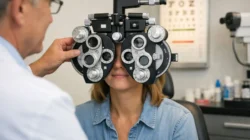


We often treat our bodies like high-performance machines that should, in theory, run indefinitely without a glitch. When we wake up feeling a bit groggy or notice a lingering ache after a weekend hike, our first instinct is to blame a long week at the office or a poor night’s sleep. While stress and fatigue are certainly modern-day constants, they often act as a convenient mask for something more profound: the early, quiet whispers of the aging process. Understanding anti-aging health awareness isn’t just about chasing eternal youth or obsessing over wrinkles; it’s about recognizing how our internal systems evolve over time. By learning to distinguish between temporary burnout and the biological markers of aging, we empower ourselves to make proactive lifestyle shifts that preserve our vitality long before a crisis occurs.
In this guide, we’ll explore the subtle signals your body might be sending—the ones you’ve likely been dismissing as “just a busy phase”—and how addressing them now can redefine how you age in the years to come.
The Blurred Line Between Burnout and Biology
The challenge with modern health is that the symptoms of a high-pressure lifestyle and the early signs of physiological aging look remarkably similar. When you’re constantly “on,” it’s easy to ignore a decline in stamina or a slight mental fog, attributing it to your overflowing inbox rather than a shift in cellular efficiency. However, aging is a cumulative process. It doesn’t happen overnight; it manifests in tiny, incremental changes in how our bodies repair, protect, and energize themselves.
Developing a keen sense of anti-aging health awareness regarding these changes is the cornerstone of longevity. If we treat every symptom as “just stress,” we miss the window of opportunity to support our systems with the right nutrition, movement, and recovery protocols. Transitioning from a reactive mindset to a proactive one allows you to manage the aging process with grace, ensuring that your “golden years” are actually vibrant and active.
1. Slower Wound Healing and Recovery
Have you ever noticed that a simple paper cut or a bruised shin seems to stick around much longer than it used to? In our twenties, these minor mishaps disappeared in a couple of days. Now, they might linger for a week or more. This isn’t just a random occurrence; it’s a primary indicator of slowing cellular regeneration.
As we age, the skin’s inflammatory response becomes less efficient, and the production of growth factors slows down. While we might blame a slow-healing scratch on being “run down,” it is often an early sign that our body’s repair mechanisms aren’t firing as rapidly as they once did. Paying attention to recovery time—not just from injuries, but from intense physical exertion—is a vital part of monitoring your internal clock.
2. Decreased Physical Stamina During Exercise
It’s easy to tell ourselves we’re just “out of shape” when the flight of stairs feels a bit steeper than it did last year. While a sedentary lifestyle certainly plays a role, a gradual decline in $VO_2$ max and muscle oxygenation is a natural part of the aging arc. You might find that your usual 30-minute jog leaves you feeling more depleted, or that your heart rate takes longer to return to baseline after a workout.
This shift often gets labeled as daily fatigue. However, if you are consistently getting enough sleep and eating well but still feel your “battery” draining faster during physical tasks, your body may be signaling a change in mitochondrial efficiency. Acknowledging this allows you to pivot toward more targeted resistance training and cardiovascular work that specifically supports longevity.
3. Frequent Episodes of Dry Skin
We often dismiss dry, itchy skin as a byproduct of air conditioning or seasonal changes. While environmental factors are real, chronic dryness is also a hallmark of a thinning skin barrier and reduced sebum production. As the lipid layer weakens with age, the skin loses its ability to retain moisture.
If you find yourself reaching for the moisturizer multiple times a day or noticing a “crepe-like” texture on your arms or hands, it’s more than just a cosmetic nuisance. It’s a sign that your largest organ is losing its resilience. Integrating hydration from the inside out—think healthy fats and collagen-supporting nutrients—becomes essential when these “stress-related” dry patches become a permanent fixture.
4. Noticeable Thinning of the Hair
For many, hair health is tied to vanity, but it’s actually a significant biological barometer. We often blame a shedding hairbrush on a stressful month or a change in shampoo. While temporary telogen effluvium (stress-related shedding) is real, a gradual change in the diameter of each hair strand or a loss of overall volume is a subtle sign of hormonal shifts and aging follicles.
When the growth cycle shortens and the “resting” phase lengthens, the hair appears thinner and less vibrant. Instead of waiting for significant loss, recognizing this subtle shift early allows for nutritional interventions—like ensuring adequate protein and mineral intake—to support follicle longevity.
5. Diminished Grip Strength and Anti-Aging Health Awareness
This is perhaps the most overlooked sign of all. You might struggle to open a jar that used to be easy, or feel your hand fatigue more quickly when carrying groceries. Most of us shrug this off as having “tired hands” from typing all day.
In the medical community, however, grip strength is considered a powerful proxy for overall muscle mass and biological age. Sarcopenia, or age-related muscle loss, can begin as early as our thirties. A weakening grip is often the “canary in the coal mine” for systemic strength loss. Prioritizing strength training isn’t just about looking toned; it’s about maintaining the functional independence that starts with the power in your hands.
6. Difficulty Seeing in Low Light
Do you find yourself squinting at a restaurant menu or feeling less confident driving at night? It’s common to blame “tired eyes” after a day of staring at screens. While digital eye strain is a modern epidemic, the aging eye naturally loses some of its ability to adjust to low-contrast environments and dim light.
The lens becomes less flexible and the pupils react more slowly to light changes. This “subtle” shift is often the first sign of presbyopia or other age-related changes. Rather than just turning up the brightness on your phone, recognizing this as a sign of aging can prompt you to prioritize eye-healthy antioxidants like lutein and zeaxanthin.
7. Subtle Changes in Sleep Patterns
We’ve been conditioned to believe that “tossing and turning” is just a symptom of a busy mind. While anxiety certainly keeps us awake, aging also alters our circadian rhythms. You might find yourself waking up earlier than you’d like, or experiencing “fragmented” sleep where you wake up multiple times throughout the night.
As we age, the production of melatonin—the hormone that signals sleep—can decline or shift. If you’re doing everything right for your “sleep hygiene” but still feel unrefreshed, it’s worth considering that your body’s internal clock is shifting. Adapting your evening routine to support these biological changes is a key component of anti-aging health awareness.
8. Occasional Joint Stiffness and Discomfort
That “morning creakiness” in your knees or lower back is often dismissed as having “slept wrong.” If that stiffness persists for the first 15–20 minutes of your day, it’s likely not just your mattress. It’s a sign of the natural thinning of cartilage and a reduction in synovial fluid, which lubricates the joints.
Ignoring these “minor” aches by masking them with Ibuprofen can lead to long-term mobility issues. Recognizing them as early signs of aging allows you to incorporate anti-inflammatory foods and low-impact mobility exercises that keep your joints “oiled” and functional for decades to come.
9. Slower Mental Processing and Recall
We’ve all had those “brain fog” moments where we walk into a room and forget why we’re there. It’s easy to laugh it off as “mom brain” or “work stress.” While multitasking definitely fractures our attention, a subtle slowing in word-finding or processing speed is a natural part of the cognitive aging process.
The brain, like any other organ, undergoes changes in blood flow and neurotransmitter levels. The good news? The brain is incredibly plastic. Recognizing these “glitches” as a sign to engage in more cognitive challenges, social interaction, and neuro-protective diets can significantly slow the pace of mental decline.
How to Take Proactive Action Today
Recognizing these signs isn’t about fear; it’s about informed action. If you’ve identified with several of these points, the best approach is to start small. You don’t need a total life overhaul to make a difference.
-
Audit Your Recovery: If you’re feeling “daily fatigue,” look at your recovery as much as your activity. Are you giving your body the 7–8 hours of sleep and the nutrient-dense fuel it needs to repair?
-
Prioritize Resistance: Since muscle mass and grip strength are so central to aging well, incorporate strength training at least twice a week. It’s the closest thing we have to a “fountain of youth.”
-
Feed Your Cells: Move beyond counting calories and start counting nutrients. Antioxidants, healthy fats (Omega-3s), and high-quality proteins are the building blocks your body uses to fight oxidative stress—the primary driver of aging.
-
Monitor, Don’t Ignore: Keep a simple journal or use a health tracker. When you see patterns—like persistent dry skin or recurring joint stiffness—discuss them with a professional rather than assuming they are “just part of getting older.”
Redefining Your Relationship with Time
Aging is an inevitable privilege, but how we experience it is largely within our influence. When we stop dismissing every physical hiccup as “normal stress” and start seeing them as data points, we gain the power to change our health trajectory. By cultivating anti-aging health awareness, you aren’t just adding years to your life; you are adding life to your years.
Listen to the subtle cues your body is giving you today. They aren’t meant to discourage you, but to guide you toward a version of yourself that is more resilient, more aware, and more vibrant than ever before.