







We often spend a fortune on memory foam mattresses, high-thread-count sheets, and white noise machines, all in the pursuit of that elusive “perfect” night’s sleep. Yet, we frequently overlook the most influential factor that begins long before we pull back the covers: what we put on our dinner plates. Identifying the best foods to avoid before bed is crucial because sleep isn’t just a passive state of rest; it is an active metabolic process where the body repairs tissue, consolidates memories, and flushes out toxins. When we consume the wrong foods late in the evening, we effectively force our internal systems to work overtime when they should be winding down.
This disconnect between our cravings and our biological needs can lead to a frustrating cycle of tossing and turning. Whether it’s a nagging case of indigestion or a sudden spike in energy at 2:00 AM, the culprits are often hiding in plain sight within our pantry. By understanding how certain ingredients interact with our circadian rhythm and digestive tract, we can make more informed choices that lead to deeper, more restorative rest. In this guide, we will explore the common dietary offenders that sabotage your sleep and offer practical, soothing alternatives to help you wake up feeling truly refreshed.
Understanding the Impact of Diet on Sleep
The relationship between nutrition and sleep is a two-way street, governed by a delicate hormonal balance. When we fall asleep, our heart rate drops, our breathing stabilizes, and our digestive system significantly slows down. This biological “quiet time” is essential for the body to divert energy toward cellular repair. However, if you consume a heavy or irritating meal right before bed, your body is forced to prioritize digestion over recovery. This metabolic activity generates heat, which contradicts the natural drop in core body temperature required for deep sleep.
Furthermore, the timing of your nutrients plays a starring role in your circadian rhythm—the internal clock that tells you when to be alert and when to feel drowsy. Certain foods can trigger the release of cortisol, the stress hormone, while others help facilitate the production of melatonin, the sleep hormone. When we eat foods that cause inflammation or blood sugar instability, we essentially “wake up” our internal systems, making it nearly impossible to transition into the restorative stages of REM and deep sleep.
High-Sugar Treats and Nighttime Cravings
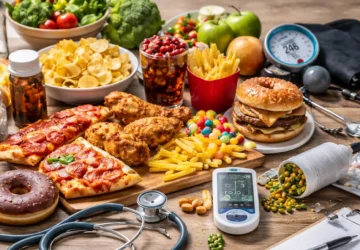
It is a common habit to reach for a bowl of ice cream or a few cookies while catching up on a favorite show. While these high-sugar treats might provide a momentary sense of comfort, they are perhaps the most disruptive “saboteurs” in your kitchen and are frequently cited as the best foods to avoid before bed for those seeking stable energy levels. Consuming refined sugar late at night triggers a rapid spike in blood glucose levels. To manage this, your pancreas releases insulin, which eventually leads to a blood sugar “crash.” This rollercoaster effect can cause your body to wake you up mid-cycle as it enters a state of mild physiological stress.
These sugar-induced energy bursts often manifest as “tired but wired” feelings. Beyond just keeping you awake, high sugar intake is linked to increased night sweats and a higher frequency of arousals throughout the night. Even if you manage to fall asleep, the quality of that sleep is often shallow, leaving you feeling groggy and craving more sugar the following morning to compensate for the lack of energy.
Acidic and Spicy Foods Before Bed
For many, a spicy curry or a zesty pasta dish is the ultimate dinner choice. However, if you are prone to heartburn, these choices are among the best foods to avoid before bed for maintaining good sleep hygiene. Spicy foods contain capsaicin, a compound that can interfere with thermoregulation. Because your body needs to cool down to enter deep sleep, the slight elevation in core temperature caused by spicy ingredients can keep you in a lighter, less restful state.
Acidic foods—including citrus fruits, tomato sauces, and even carbonated mixers—present a different problem: acid reflux. When you lie down horizontally, the gravitational advantage that keeps stomach acid in its place is lost. Spicy and acidic ingredients can relax the lower esophageal sphincter, allowing stomach acid to creep back up. This leads to that painful, burning sensation in the chest that makes it impossible to find a comfortable sleeping position, often forcing you to prop yourself up with pillows and sacrificing your spinal alignment in the process.
Hidden Caffeine Sources and Stimulants
Most of us know to avoid a double espresso after dinner, but caffeine is a master of disguise. It works by blocking adenosine receptors in the brain. Adenosine is a chemical that builds up throughout the day to create “sleep pressure”; by blocking it, caffeine tricks your brain into thinking it’s still mid-afternoon. The half-life of caffeine is surprisingly long—usually between five to six hours—meaning that afternoon mocha could still be circulating in your system at midnight.
The real danger lies in the hidden sources. Dark chocolate, while healthy in many aspects, contains both caffeine and theobromine, a stimulant that can increase heart rate and cause restlessness. Similarly, some “clear” sodas, iced teas, and even certain over-the-counter pain relievers contain enough caffeine to fragment your sleep cycle. These stimulants specifically reduce the duration of REM sleep, which is critical for emotional regulation and cognitive function.
High-Fat and Heavy Protein Meals
There is a reason we often feel like taking a nap after a massive Thanksgiving dinner, but “food comas” are not the same as high-quality sleep. Large, high-fat meals—like fried chicken, burgers, or heavy steaks—require an immense amount of energy to break down. Fat, in particular, slows down the digestive process significantly. While your brain is trying to shut down for the night, your stomach and gallbladder are in “active mode,” churning and processing heavy proteins and lipids.
This internal labor can lead to bloating, gas, and a general sense of stomach pressure that prevents you from falling into a deep slumber. Furthermore, heavy protein intake late at night can inhibit the production of serotonin, as the large neutral amino acids compete with tryptophan to enter the brain. The result is a body that feels physically heavy and uncomfortable, but a mind that remains uncomfortably alert.
Diuretic Foods and Excessive Fluids
Hydration is vital, but the timing of your water intake is key to an uninterrupted night. Diuretic foods and beverages are those that encourage the body to expel water, which inevitably leads to multiple trips to the bathroom in the dark of night. Watermelon, celery, and cucumbers are incredibly healthy, but because of their high water content, they are often considered the best foods to avoid before bed if you struggle with middle-of-the-night awakenings.
Alcohol is perhaps the most misunderstood “sleep aid” in this category. While a glass of wine might help you fall asleep faster, it is a potent diuretic and a major disruptor of sleep architecture. Alcohol prevents you from entering the deeper stages of sleep and often causes you to wake up in the second half of the night as the sedative effects wear off and the dehydrating effects kick in. Each time you have to get out of bed to use the bathroom, you break your sleep cycle, making it much harder for your brain to return to the restorative phase it was previously in.
Recommended Evening Snack Alternatives
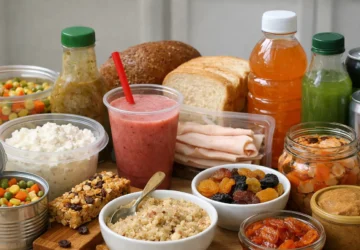
If you find yourself genuinely hungry before bed, the goal is to choose “sleep-promoting” foods that stabilize blood sugar and provide the building blocks for melatonin. Instead of reaching for the cookie jar, try a small bowl of Greek yogurt with a few walnuts. The dairy provides tryptophan, while the walnuts are a natural source of magnesium, a mineral known for its ability to relax muscles and calm the nervous system.
Complex carbohydrates are also an excellent choice because they help the brain absorb tryptophan more efficiently. A slice of whole-grain toast with almond butter or a small bowl of oatmeal can provide a steady release of energy that prevents midnight waking. If you need a drink, skip the alcohol and soda in favor of herbal teas like chamomile, valerian root, or passionflower. These botanicals have mild sedative properties that signal to your brain that the day is done and it is time to rest.
Practical Tips for a Sleep-Friendly Kitchen
Transitioning to a better nighttime routine doesn’t require a total lifestyle overhaul. It starts with a few intentional shifts in your daily habits:
-
Mind the Three-Hour Rule: Try to finish your last large meal at least three hours before you plan to hit the pillow. This gives your stomach ample time to move food into the small intestine, reducing the risk of reflux and bloating.
-
Front-load Hydration: Drink the majority of your water during the morning and afternoon, tapering off about two hours before bed.
-
Check the Labels: Be wary of “decaf” coffees or teas, which can still contain trace amounts of caffeine, and look out for hidden sugars in “healthy” nighttime snacks like granola bars.
-
Keep a Food-Sleep Diary: If you find yourself waking up consistently at the same time, note what you ate for dinner. You might find a hidden link between that extra spicy salsa and your 3:00 AM wake-up call.
The Path to Restorative Rest
Achieving better sleep is rarely about a single “magic pill” or a specific gadget; it is about the harmony of your daily choices. By identifying and eliminating the best foods to avoid before bed—the hidden stimulants, the heavy fats, and the blood-sugar-spiking sugars—you give your body the permission it needs to heal and recover. Sleep is the foundation upon which your physical health, mental clarity, and emotional stability are built.
As you move forward, try swapping one “saboteur” for a sleep-friendly alternative tonight. Whether it’s choosing a herbal tea over a nightcap or moving your spicy taco night to lunch instead of dinner, your body will notice the difference. You deserve to wake up feeling capable and energized, and that journey starts with your very next meal.




No Response