






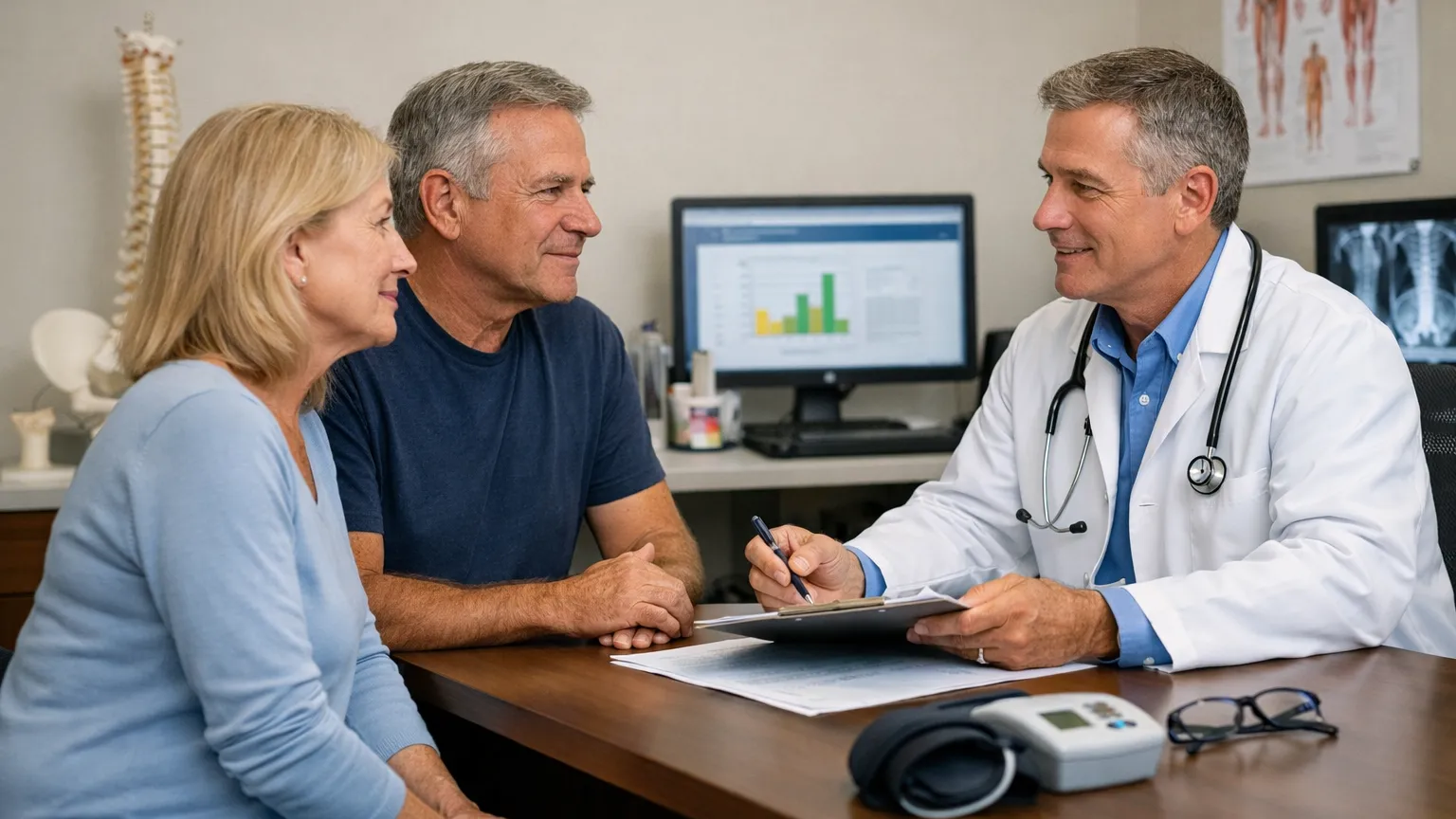
Crossing the threshold of fifty often feels like stepping into a new chapter where the narrative shifts from building a career or raising a family to sustaining the vessel that makes everything else possible. It is a period of life where the “check engine” light might flicker more frequently, not as a sign of failure, but as a biological nudge to update our maintenance protocols. While aging is an inevitable biological process, the way we age is remarkably flexible. By understanding the underlying science of longevity and implementing proactive preventive health strategies after 50, you can transform these years into a period of peak vitality rather than a slow decline. This guide explores how to navigate the physiological shifts of your fifties and beyond, offering a roadmap to ensure your best years are still ahead of you.
The Subtle Shift: Understanding Aging from the Inside Out
To effectively manage health after fifty, we have to look past the mirror and focus on what is happening at a cellular and hormonal level. For many, this decade marks a significant metabolic crossroads. Hormonal shifts—most notably the decline of estrogen in women and the gradual reduction of testosterone in men—do more than just affect mood or energy. They fundamentally alter how the body stores fat, processes sugar, and maintains bone integrity.
One of the most silent yet impactful changes is the natural decline in bone density. As the rate of bone resorption begins to outpace new bone formation, the skeleton becomes more porous. Simultaneously, the body faces a rise in “inflammaging”—a term scientists use to describe the low-grade, chronic inflammation that tends to increase as we age. This isn’t the acute inflammation you feel after a bee sting; it’s a systemic hum that can damage tissues and organs over time if left unchecked. Furthermore, muscle mass recovery slows down, meaning the weekend hike that used to feel like a breeze might now leave you sore for days. Recognizing these changes isn’t about being pessimistic; it’s about gaining the clarity needed to adjust your lifestyle for the long haul.
Why 50 is the Ultimate Strategic Turning Point
If life were a long-distance race, fifty is the point where the terrain changes. It is a critical window for intervention because many chronic diseases—like type 2 diabetes, cardiovascular issues, and certain cancers—have a “latency period.” The lifestyle choices made in your thirties and forties often manifest in your fifties. However, the body remains remarkably resilient. Research shows that even late-start interventions in fitness and nutrition can significantly reduce the risk of mortality.
This age serves as a peak risk period, but it also provides an essential window of opportunity. Because the immune system starts to show signs of “immunosenescence” (a gradual decline in immune surveillance), catching potential issues early through screening becomes more vital than ever. Think of your fifties as the strategic “golden hour” for health; the actions you take now determine whether your later decades are spent in a cycle of medical management or in active pursuit of your passions.
Fueling the Second Half: Nutritional Pillars for Longevity
Nutrition after fifty isn’t about restrictive dieting; it’s about high-precision fueling. The body’s caloric needs may decrease as metabolism slows, but its requirement for specific nutrients actually increases. One of the most common mistakes is skimping on high-quality lean protein. Protein is the building block for muscle, and since we lose muscle mass naturally (sarcopenia), increasing intake is non-negotiable for staying strong and functional. Think of it as protecting your biological “armor.”
In addition to protein, the focus should shift heavily toward bone and heart health. This means prioritizing calcium and Vitamin D, often through a mix of leafy greens, fortified foods, and responsible sun exposure. Fiber is another unsung hero for the over-50 demographic; it keeps the digestive system moving, manages cholesterol, and helps stabilize blood sugar levels. Reducing processed sugar is perhaps the most effective way to combat that “inflammaging” we mentioned earlier. By keeping your blood sugar stable, you reduce the oxidative stress on your cells, effectively slowing the internal aging clock. And of course, never underestimate the power of hydration. As we age, our thirst mechanism becomes less sensitive, making conscious water intake a simple yet profound preventive tool.
Movement as Medicine: Redefining Fitness
The days of punishing “no pain, no gain” workouts should probably stay in the past, replaced by a more sophisticated, balanced approach to movement. Resistance strength training is the cornerstone of longevity. Lifting weights or using resistance bands two to three times a week does more than build muscle; it signals to your bones to stay dense and strong.
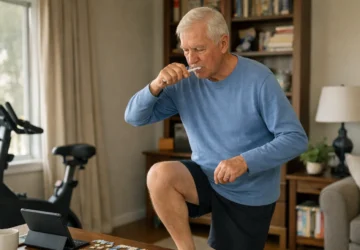
Complement this with low-impact cardiovascular exercises like swimming, cycling, or brisk walking. These activities keep the heart muscle efficient without placing undue stress on aging joints. Flexibility and daily stretching are equally critical. A flexible body is a resilient body, less prone to the nagging injuries that can sideline an active lifestyle. Finally, incorporating balance drills—even something as simple as standing on one leg while brushing your teeth—can be a literal lifesaver. Fall prevention becomes increasingly important as we age, and a strong sense of proprioception (your body’s awareness of its position) is your best defense against accidents.
The Defensive Line: Screenings and Medical Vigilance
A key part of preventive health strategies after 50 is “knowing your numbers.” You cannot manage what you do not measure. Regular blood pressure monitoring is essential, as hypertension is often a silent precursor to more serious cardiac events. Similarly, a full lipid panel to check cholesterol and triglycerides provides a snapshot of your arterial health.
This is also the decade where screenings like colorectal cancer protocols and bone density scans (DEXA) should become a standard part of your medical calendar. For many, annual glucose and A1C checks are necessary to catch pre-diabetes before it transitions into a chronic condition. These screenings aren’t just appointments; they are data points that allow you and your physician to make informed, personalized decisions about your health trajectory.
Protecting the Mind and Spirit
Longevity isn’t just about physical survival; it’s about cognitive thriving. The brain, like any other organ, requires specific care. Continuous social engagement is one of the strongest predictors of mental longevity. Staying connected with friends, volunteering, or participating in community groups keeps the brain active and wards off the cognitive decline associated with isolation.
Strategic brain stimulation—whether through puzzles, learning a new language, or picking up a musical instrument—builds “cognitive reserve,” making the brain more resilient to age-related changes. Quality sleep hygiene is another pillar of mental health; sleep is when the brain flushes out metabolic waste. When you combine good sleep with stress management techniques like meditation or deep breathing, you create a neurological environment that fosters clarity and emotional stability.
Taking the First Step on Your Preventive Journey
The prospect of overhauling your health can feel overwhelming, but the secret to longevity lies in small, sustainable habit changes rather than radical, short-lived transformations. Start by having a comprehensive conversation with a medical professional to establish your baseline and discuss personalized preventive health strategies after 50. From there, pick one or two areas—perhaps adding a ten-minute walk or swapping a sugary snack for a protein-rich one—and build from there.
Consistency is the ultimate currency of health. By tracking your daily activity and periodically reassessing your goals, you turn preventive health from a chore into a lifestyle. Your fifties are not the beginning of the end; they are the start of a sophisticated, well-informed era of living.



No Response