






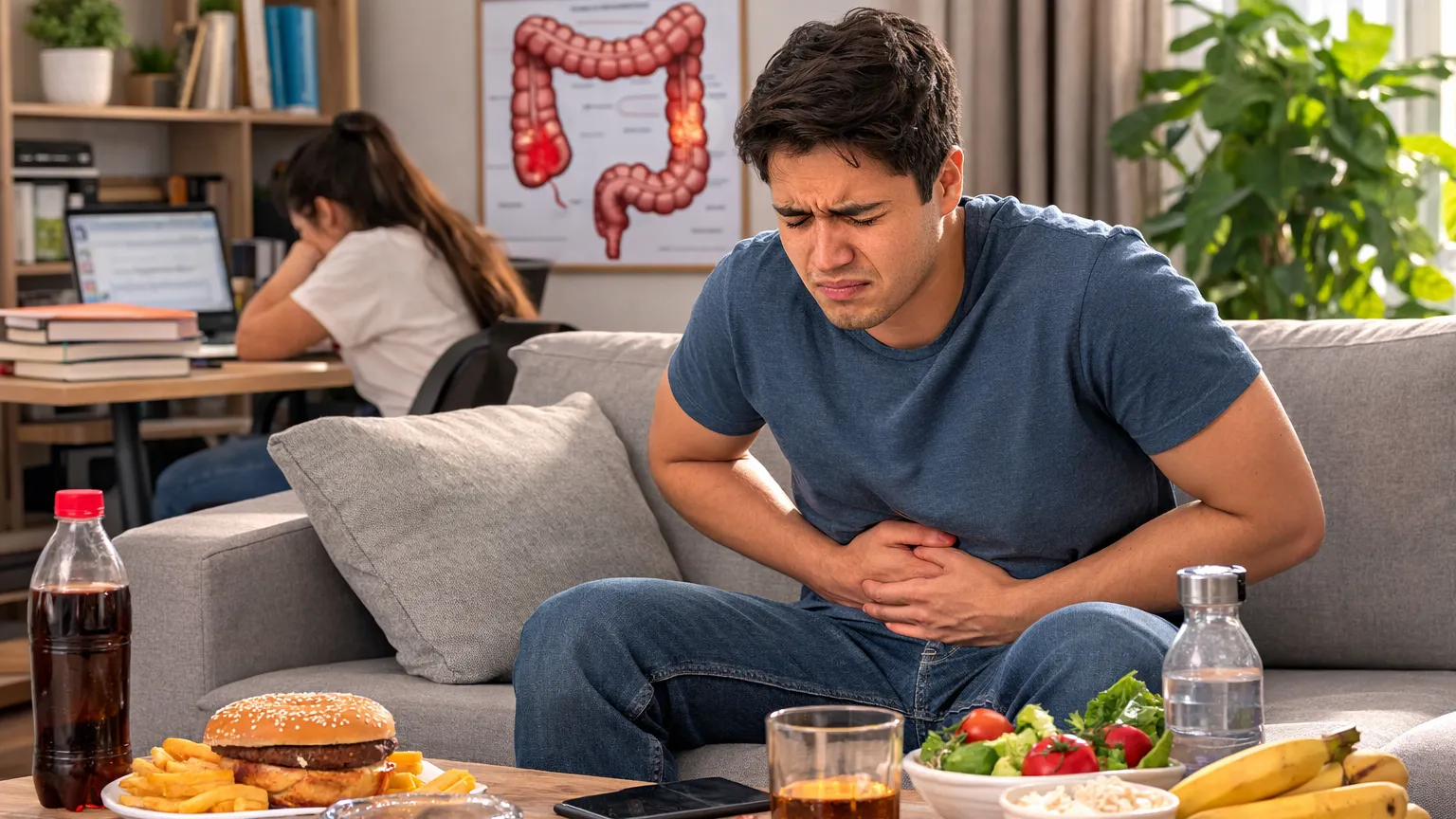
For a long time, we viewed colorectal cancer as an “older person’s disease,” something to worry about only after hitting the big five-zero. However, the medical landscape is shifting in a way that is both surprising and deeply concerning, as recent data highlights rising colorectal cancer risks in youth. More young adults in their 20s and 30s are being diagnosed with colorectal issues that were once rare for their age group. At the heart of this trend is a condition many of us overlook: chronic bowel stiffness. This isn’t just about the occasional bout of constipation; it’s about a long-term loss of intestinal flexibility and efficiency. When our digestive tract becomes sluggish and rigid, it creates a “perfect storm” for cellular damage. By understanding how our daily routines contribute to this stiffness, you can take control of your gut health today, potentially saving yourself from life-altering diagnoses down the road.
Understanding the Link Between Stiff Bowels and Cancer
When we talk about “stiff bowels,” we are essentially describing a loss of motility and health in the colon walls. This isn’t just an inconvenience; it’s a biological red flag. Chronic inflammation plays a massive role here. When the intestinal walls are constantly irritated by poor diet or lack of movement, they undergo a process of micro-scarring and thickening. This persistent inflammation is a known precursor to DNA damage in the cells lining the colon, which can eventually lead to the formation of polyps and, ultimately, cancer.
Furthermore, a stiff, slow-moving bowel leads to the accumulation of carcinogenic fecal toxins. Think of your colon as a waste disposal system. If the “trash” sits in the bin for too long, it begins to leak harmful substances. In the gut, the longer waste remains in contact with the intestinal lining, the more time the body has to reabsorb toxins that were meant to be excreted. This prolonged contact can trigger a breakdown in cellular repair. Normally, our gut cells regenerate rapidly, but under the constant stress of toxic exposure and lack of blood flow associated with stiffness, those repair mechanisms falter.
7 Daily Habits Driving Colorectal Cancer Risks in Youth
Our modern lifestyle is practically designed to slow down our digestion. It starts with the heavy reliance on ultra-processed foods. These items are engineered for shelf-life, not gut-life. They lack the structural integrity of whole foods, meaning they break down into a sticky paste that “clogs” the intestinal machinery rather than sweeping through it. When your diet is dominated by “white” breads, sugary snacks, and chemical-laden pre-packaged meals, you are essentially asking your bowels to work through a sludge that promotes rigidity.
Physical inactivity is the second major culprit. Many younger people spend eight to ten hours a day in a sedentary position, often hunched over a laptop. This prolonged sitting physically compresses the digestive organs and slows down peristalsis—the wave-like muscle contractions that move waste along. Without movement, the colon becomes “lazy” and stiff.
Dietary habits also fail us when we ignore fiber and hydration. Fiber is the “broom” of the digestive tract, and without at least 25 to 30 grams a day, there is nothing to add bulk to the stool or stimulate the colon walls. Pair this with chronic dehydration, and the body begins to pull water out of the colon to stay hydrated elsewhere, leaving the waste hard, dry, and incredibly difficult to pass.
Lifestyle choices beyond food also play a role. We live in a “busy” culture where many young people frequently suppress natural urges. Ignoring the signal to go causes the rectum to lose sensitivity over time, leading to more stiffness. Additionally, the regular consumption of red and processed meats—combined with excessive alcohol and tobacco use—introduces specific compounds that are directly toxic to the colon lining, accelerating the aging process of our digestive tissues.
Why Are Younger Generations More Vulnerable to Stiff Bowels?
The vulnerability of the younger generation isn’t just bad luck; it’s a byproduct of an environment that has changed faster than our biology. We are seeing rising rates of childhood obesity, which sets the stage for chronic metabolic inflammation before a person even reaches adulthood. If the gut is stressed during the formative years, it is much more likely to develop structural issues like bowel stiffness by the time someone hits their 20s.
The shift toward “low-residue” modern diets—diets that are so refined they leave almost nothing behind for the gut to work with—has stripped away the natural exercise the intestines need to stay supple. Simultaneously, we are the first generations to be exposed to such high levels of environmental chemicals and microplastics, which can disrupt the delicate endocrine and nervous systems that control gut motility.
Lastly, we cannot ignore the impact of high-stress levels. The “gut-brain axis” means that when we are chronically stressed, our body stays in a “fight or flight” mode. This diverts blood flow away from the digestive system. For a generation dealing with high economic pressure and digital burnout, the gut is often in a permanent state of shutdown, leading to the very stiffness that invites disease.
Identifying Warning Signs of Bowel Malfunction
The body is usually quite vocal when things are going wrong, but we have been conditioned to dismiss these signals as “normal” or just “part of being busy.” Persistent straining during bowel movements is one of the most common early signs. If you find yourself holding your breath or pushing excessively, your colon is telling you it has lost its natural elasticity.
Another subtle sign is the feeling of incomplete evacuation, or tenesmus. This is the sensation that you still need to go even after you’ve finished. It often indicates that the rectum is irritated or that the muscles are not coordinating properly. You should also pay close attention to changes in stool shape. If your stool consistently becomes thin or “pencil-like,” it could suggest that the passage is becoming narrowed or stiffened by inflammation or growths. Frequent abdominal bloating and cramping aren’t just “gas”; they are often signs that waste is trapped and fermenting in a sluggish system.
Addressing Misconceptions About Colorectal Cancer Risks in Youth
One of the most dangerous myths is that youth provides a “cancer immunity” shield. While it’s true that age is a risk factor, the biological clock of the colon can be “aged” prematurely by poor habits. Another misconception is the over-reliance on stimulant laxatives. Many young people use these to “reset” after a weekend of poor eating, but these pills can actually make the bowels lazier and stiffer over time by damaging the nerves in the colon.
We also have a tendency to treat chronic constipation as a personality trait rather than a medical issue. Saying “I’ve always been this way” ignores the fact that your body is operating in a state of high risk. This leads to the most tragic misconception: that screenings are only for the elderly. If you have a family history or persistent symptoms, ignoring the reality of colorectal cancer risks in youth by delaying a check-up can be a fatal mistake.
Strategic Solutions to Prevent Bowel Stiffness
The good news is that the gut is incredibly resilient if you give it the right tools. Your first line of defense is a “Fiber First” mentality. Aim for 25–30 grams of fiber daily from whole sources like lentils, raspberries, broccoli, and chia seeds. This fiber acts as a workout for your colon, keeping the muscles strong and the walls flexible.
Hydration is equally vital. A consistent 2-liter water intake ensures that the fiber you eat can do its job without getting stuck. Think of water as the lubricant that keeps the whole machinery moving smoothly. Pair this with 30 minutes of daily movement—even a brisk walk—to mechanically stimulate your intestines and prevent the “stiffness” that comes from sitting.
Finally, prioritize your “internal garden” by consuming probiotic and fermented foods like kimchi, kefir, or kombucha. These introduce beneficial bacteria that help break down toxins and reduce the inflammation that leads to rigidity. By making these small, daily adjustments, you aren’t just avoiding discomfort; you are actively fortifying your body against one of the most preventable health risks of our time.
Your digestive health is a reflection of your daily rhythm, not just a roll of the genetic dice. While the rise in early-onset illness is a sobering reality, staying informed about colorectal cancer risks in youth is an invitation to listen more closely to what your body is telling you. Don’t wait for a crisis to start caring for your colon; the habits you form today are the insurance policy for your future self.



No Response