

Maintaining a sharp mind as we age is a goal shared by many, yet the path to achieving it often feels cluttered with conflicting advice. For years, we have been told that everything from crossword puzzles to learning a new language could be the “magic bullet” for brain health. However, recent longitudinal research has begun to separate casual hobbies from scientifically backed interventions like brain training for dementia prevention. A landmark 20-year study has shed new light on how we can proactively manage our cognitive destiny through targeted mental engagement.
The conversation around brain health is shifting from general “staying busy” to a more precise focus on neuroplasticity. It isn’t just about keeping the mind occupied; it’s about the quality, intensity, and type of stimulation the brain receives. By understanding the mechanics of how our neurons adapt to specific challenges, we can better equip ourselves to face the natural transitions of aging with confidence and clarity.
Defining Brain Training for Dementia Prevention
In the context of modern cognitive science, brain training for dementia prevention refers to a structured regimen of mental exercises designed to improve or maintain cognitive functions such as memory, reasoning, and processing speed. Unlike passive entertainment, these exercises are built on the principle of neuroplasticity—the brain’s remarkable ability to reorganize itself by forming new neural connections throughout life.
Effective brain training usually involves “targeted” tasks that increase in difficulty as the individual improves. This ensures the brain remains in a state of active learning rather than falling into a comfortable routine. While many activities claim to boost brain power, the gold standard in research focuses on exercises that challenge the “speed of processing,” which is the pace at which we take in and respond to information from our environment.
Understanding the 20-Year Dementia Study
The foundation of our current understanding of cognitive longevity largely stems from long-term clinical trials, most notably the Advanced Cognitive Training for Independent and Vital Elderly (ACTIVE) study. This research followed thousands of older adults for two decades to see which mental interventions actually translated into real-world benefits. Unlike short-term observations, this 20-year window allowed researchers to see the long-term trajectory of cognitive decline and how specific interventions could alter that path.
The findings were transformative. They revealed that not all mental activities are created equal. Participants who engaged in specific types of cognitive training showed significant improvements that lasted ten years or more after the initial training sessions. This study provided the first robust evidence that targeted mental exercise could actually lower the risk of developing dementia later in life, rather than just temporarily boosting memory scores.
Defining Cognitive Speed of Processing
One of the most critical metrics measured in these studies is “speed of processing.” This refers to how quickly a person can perceive and interpret information. As we age, this speed naturally tends to decline, which can make daily tasks like driving or following a fast-paced conversation more difficult. It is often the first domino to fall in the process of cognitive aging.
By focusing on speed-of-processing training, individuals are essentially “tuning” their brain’s engine. The goal is to reduce the time it takes for the brain to recognize visual or auditory cues. When this speed is maintained, the overall cognitive load on the brain is reduced, allowing it to function more efficiently and stay resilient against the plaques and tangles associated with cognitive diseases.
Why Passive Learning Often Fails
Many people believe that reading a book or watching an educational documentary is sufficient for brain health. While these activities are wonderful for general knowledge and relaxation, they are considered “passive” learning. In passive learning, the information flows one way, and the brain isn’t necessarily required to produce a specific output or solve a dynamic problem.
The reason passive learning often falls short in brain training for dementia prevention is that it doesn’t push the brain’s boundaries. Once you become a proficient reader, reading a standard novel doesn’t require the brain to form new pathways; it simply uses existing ones. To see true structural changes in the brain, there must be a level of “desirable difficulty” that forces the mind to adapt to new, unfamiliar challenges.
The Power of Interactive Mental Stimulation
In contrast to passive activities, interactive mental stimulation requires an active “loop” between the user and the task. This could involve software that adapts its difficulty in real-time or complex social interactions that require quick thinking and emotional intelligence. When you are interactive, you are making choices, correcting errors, and receiving immediate feedback.
This engagement triggers the release of various neurotransmitters, such as dopamine and acetylcholine, which are essential for learning and memory. Interactive stimulation mimics the way we learned as children—through trial, error, and constant adjustment. This dynamic process is what keeps the neural machinery “greased” and ready to handle complex tasks.
Improving Neural Pathway Efficiency Levels
Every time we learn a new skill or challenge our brains, we are essentially strengthening the “wiring” between neurons. This wiring, known as white matter, is responsible for transmitting signals across different regions of the brain. High-quality brain training improves the integrity and efficiency of these pathways, ensuring that signals travel quickly and clearly.
When neural pathways are efficient, the brain doesn’t have to work as hard to perform routine tasks. This efficiency is a hallmark of a healthy, younger-acting brain. By maintaining these high efficiency levels, we can offset some of the structural changes that occur with age, allowing the brain to maintain its performance even if some physical decline is present.
Boosting Long-Term Cognitive Reserve Capacity
“Cognitive reserve” is a fascinating concept in neurology. It suggests that people who have more “spare” neural connections can withstand more brain damage (such as that caused by Alzheimer’s) before showing symptoms. Think of it like a backup generator for your mind. The more you challenge your brain throughout your life, the larger your “reserve” becomes.
Specific interactive training is particularly effective at building this reserve. It creates a dense web of connections that can reroute information if one pathway becomes blocked or damaged. This doesn’t necessarily stop the biological processes of aging, but it makes the brain much more resilient, potentially allowing a person to function normally for years longer than they otherwise would.
Impact of Specific Computerized Brain Training for Dementia Prevention
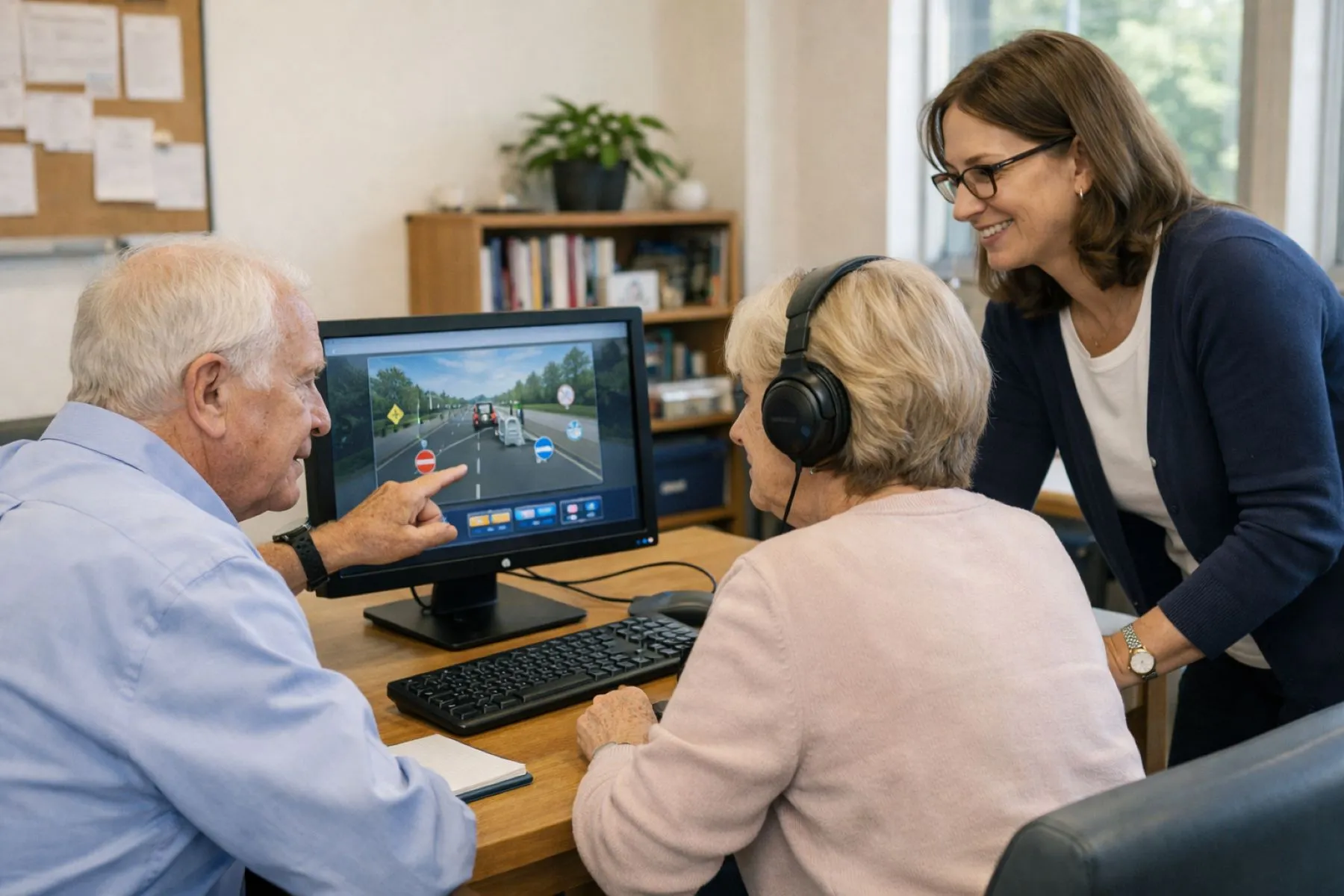
The 20-year study highlighted the unique effectiveness of computerized training programs, specifically those designed to expand the “useful field of view.” These programs aren’t just video games; they are clinical tools that train the brain to process peripheral information while focusing on a central task.
The results showed that participants using these specific programs had a nearly 30% lower risk of developing dementia over the following decade compared to those who did no training. The precision of computer-based tasks allows for a level of intensity and consistency that is difficult to achieve through traditional hobbies, making it a cornerstone of modern brain training for dementia prevention.
Comparing Physical Versus Mental Exercise
There is often a debate about which is more important: a healthy body or a healthy mind. The truth is that both are vital, but they serve different roles. Physical exercise improves blood flow to the brain and reduces inflammation, which creates a healthy environment for neurons to thrive. It is the “soil” in which the brain grows.
However, mental exercise is the “seed.” While physical activity keeps the brain healthy, mental exercise determines how that brain is used and structured. Interestingly, some studies suggest that the benefits of mental training are more task-specific. While a jog will help your heart and general brain health, it won’t necessarily help you process visual information faster—that requires the targeted mental “workout” that only interactive training provides.
Enhancing Daily Functional Independence Skills
The ultimate goal of any cognitive intervention is to ensure that we can continue to live our lives on our own terms. This is known as “functional independence.” When we maintain our processing speed and memory, we are better at managing our finances, remembering to take medications, and navigating our communities safely.
The 20-year research showed that those who engaged in cognitive training reported fewer difficulties with daily activities. They were more likely to continue driving safely and less likely to need help with basic household tasks. By training the brain, we aren’t just improving test scores; we are preserving the ability to live a self-directed, meaningful life.
Delaying the Onset of Symptoms
Perhaps the most encouraging takeaway from long-term brain health research is the possibility of delaying the onset of dementia symptoms. Even a delay of just two to five years can have a profound impact on a person’s quality of life and significantly reduce the burden on caregivers and the healthcare system.
By building cognitive reserve and maintaining neural efficiency, individuals may reach the end of their lives without ever crossing the threshold into clinical dementia, even if the biological markers of the disease are present in the brain. It is a powerful reminder that while we cannot control our genetics, we have significant influence over our cognitive resilience.
Frequency Requirements for Meaningful Results
Like physical fitness, brain health requires consistency. You wouldn’t expect to stay fit by going to the gym once a year, and the same logic applies to the mind. The most successful participants in the long-term studies engaged in “booster sessions”—short, intense periods of training every few years to keep their skills sharp.
Experts generally suggest that meaningful results come from engaging in these challenges for about 20 to 30 minutes, a few times a week. The key is not the total number of hours spent, but the intensity and the “interactive” nature of the task. Short, frequent bursts of high-quality mental engagement are far more effective than hours of passive scrolling or repetitive tasks.
Sustaining Brain Health into Old Age
As we look toward the future, the evidence is clear: our brains are not static organs destined for inevitable decline. Through purposeful, interactive, and challenging mental exercises, we can actively shape our cognitive trajectory. Brain training for dementia prevention is a proactive choice that pays dividends in the form of independence, clarity, and continued engagement with the world.
While there is no single cure for dementia, the science of the last 20 years offers a beacon of hope. By moving beyond passive hobbies and embracing the power of interactive mental stimulation, we give ourselves the best possible chance to age with our memories, our wisdom, and our identities intact.