






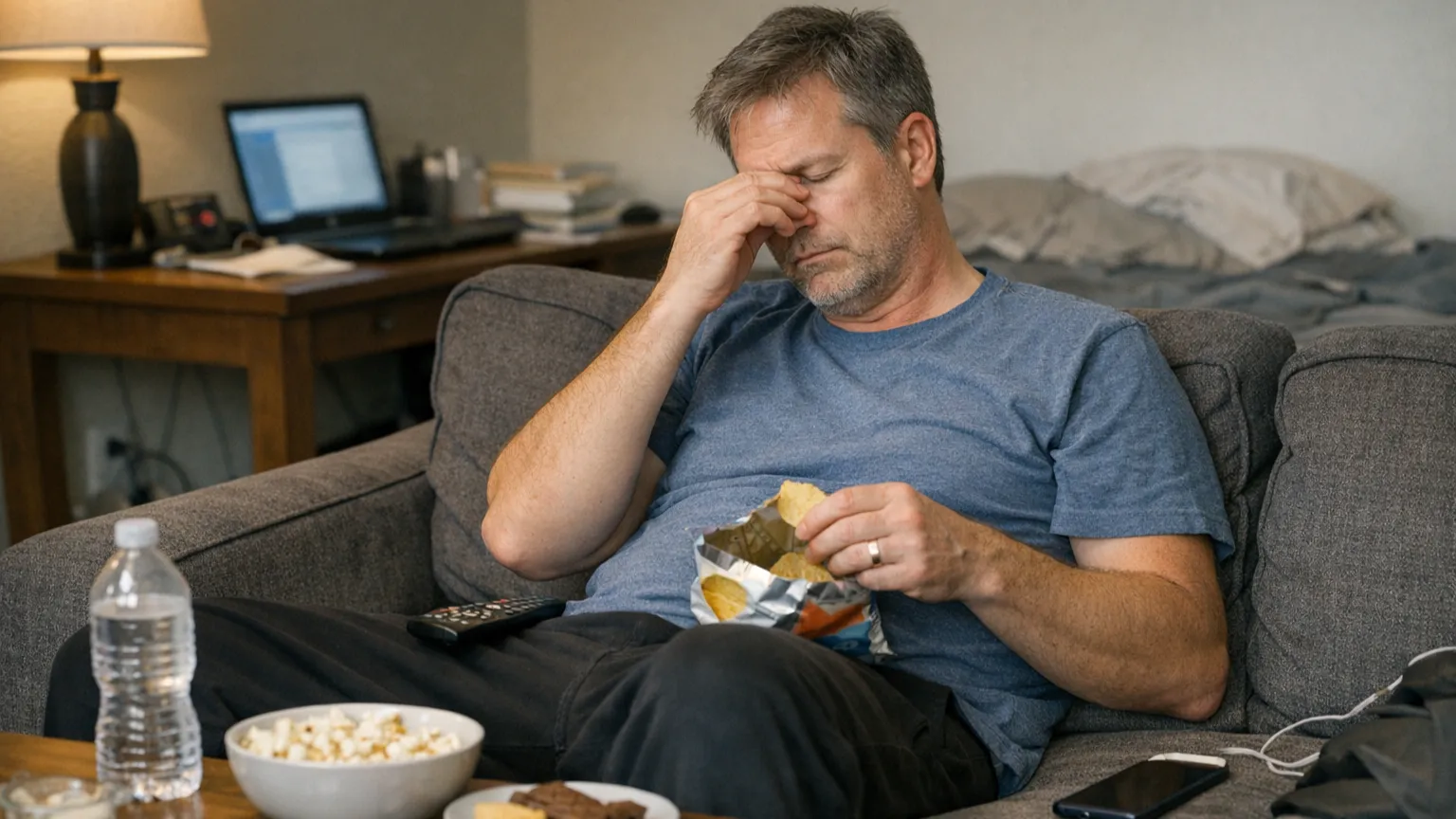
We often think of health crises as sudden events—a heart attack out of nowhere, a surprise diagnosis, or a back that gives out during a simple reach for the remote. In reality, most long-term health issues are not “surprises” at all; they are the slow-motion results of the tiny, repetitive choices we make between sunrise and sunset. These are often harmful habits damaging long-term health that we don’t even think twice about, yet they act like a slow drip of water on a stone, eventually wearing down our physical and mental resilience. By understanding how these minor routines accumulate, you can stop trading your future vitality for present convenience and start building a body that lasts.
The Stealthy Nature of Cumulative Damage
The human body is incredibly forgiving in the short term. You can pull an all-nighter, eat a week’s worth of processed snacks, or spend twelve hours hunched over a desk, and you’ll likely wake up the next day feeling relatively fine. This resilience is actually a double-edged sword. Because we don’t feel immediate pain, we assume no damage is being done.
Under the surface, however, these behaviors trigger a process of gradual physiological decline. It starts with silent cellular inflammation—a state where your immune system is perpetually on low-grade alert. Over years, this “smoldering” inflammation irritates blood vessels and tissues, laying the groundwork for chronic conditions.
This creates a state of long-term organ stress. Your liver, kidneys, and heart are forced to work 10% harder every day to compensate for poor hydration or high sugar intake. You don’t notice a 10% strain in your 30s, but by your 50s, the “engine” begins to show signs of premature wear. The danger lies in the delayed symptom onset; by the time you feel the chronic fatigue or joint stiffness, the habit has already been hammering away at your foundation for a decade or more.
Identifying Harmful Habits Damaging Long-term Health in Your Routine
Most of us aren’t intentionally trying to ruin our health. Instead, we fall victim to “modern convenience” patterns that seem harmless on the surface. Take sedentary behavior, for example. It’s not just about “not exercising.” It’s the physiological shutdown that happens when we sit for six hours straight. Our metabolism slows to a crawl, and the enzymes responsible for breaking down fats in the blood drop significantly.
Then there is the issue of inconsistent sleep. We’ve been conditioned to view sleep as a luxury or a negotiable resource. However, “catching up” on weekends doesn’t fix the hormonal chaos caused by a fluctuating sleep-wake cycle. This inconsistency keeps your internal clock in a state of perpetual jet lag, making it harder for your brain to flush out toxins and for your muscles to repair.
Mindless snacking and inadequate hydration are the two quietest thieves of energy. We often reach for a sugary granola bar not because we are hungry, but because we are bored or stressed. This creates a rollercoaster of insulin spikes. Combine that with a chronic lack of water—which forces your blood to become thicker and harder to pump—and you have a recipe for brain fog and cardiovascular strain that feels like “just getting older,” even though it’s entirely avoidable.
The Biological Cost of the Modern Lifestyle
Why do these small things hurt us so much over time? It largely comes down to our hormonal and metabolic chemistry. When we are constantly “on”—checking emails at 11 PM or rushing through traffic—we live in a state of chronic cortisol elevation. Cortisol is the body’s stress hormone; it’s great for escaping a predator, but it’s disastrous when it stays high for years. It eats away at muscle tissue, deposits fat around your midsection, and keeps your blood pressure elevated.
This constant stress leads to a metabolic rate slowdown. As we age, our bodies naturally become less efficient, but poor habits accelerate this. When you combine a sluggish metabolism with a reduced immune response caused by poor nutrition and lack of rest, your body loses its ability to bounce back. Your cardiovascular resilience—the ability of your heart and lungs to handle physical stress—begins to wane, making everyday activities feel more taxing than they should be.
Recognizing Early Warning Signs of Systemic Decline
Your body is constantly sending you memos; the problem is that we usually trash them without reading. Persistent, unexplained fatigue is often the first “red flag.” If you wake up tired after eight hours of sleep, it’s a sign that your quality of rest or your internal inflammation levels are off-balance.
Frequent digestive issues, such as bloating or irregular movements, are another signal that your daily fuel and stress levels aren’t hitting the mark. We often dismiss recurring minor headaches as “just a stressful day,” but they are frequently linked to chronic dehydration or digital eye strain from staring at blue light for hours on end.
Perhaps the most overlooked sign is the development of joint stiffness. We tend to blame “old sports injuries” or “getting older,” but often, it’s the result of systemic inflammation and a lack of varied movement. When your joints feel like they need WD-40 in the morning, your body is telling you that your daily habits are no longer supporting your structural integrity.
The Psychology of Why We Stay Stuck
If these harmful habits damaging long-term health are so detrimental, why is it so hard to stop? Usually, it’s because we are fighting against our own brain chemistry. We live in high-stress environments where our brains are constantly seeking a “hit” of dopamine to feel better. This leads to dopamine-seeking behaviors like scrolling through social media for an hour before bed or reaching for high-calorie comfort foods.
Furthermore, we suffer from decision fatigue. By the time 6:00 PM rolls around, our willpower is depleted. We don’t have the mental energy to cook a healthy meal or go for a walk, so we default to the easiest, least healthy option. This is compounded by a general lack of health literacy—not because the information isn’t out there, but because it’s often buried under confusing fads, making us give up before we even start.
Turning the Tide: Actionable Strategies for Correction
The good news is that because these habits are cumulative, the “cure” is also cumulative. You don’t need a total life overhaul; you need better micro-movements.
-
Implement Micro-Movements: Instead of worrying about a grueling hour-long gym session, commit to standing up and stretching for two minutes every hour.
-
Practice Mindful Eating: Before you eat, ask yourself if you are hungry or just thirsty. Slowing down allows your brain to receive the “full” signal, preventing metabolic strain.
-
Standardize the Sleep-Wake Cycle: Try to go to bed and wake up within the same 30-minute window every day to stabilize your circadian rhythm.
-
Increase Hydration: Carry a reusable bottle and sip throughout the day. Don’t wait until you’re parched; by then, you’re already dehydrated.
-
Regular Digital Detoxing: Set a “digital sunset.” Turn off screens an hour before bed to allow your brain to produce the melatonin needed for deep sleep.
The Reward of Early Intervention
Correcting these hidden, harmful habits damaging long-term health today is essentially an investment in your “older self.” The long-term benefits of early intervention are staggering. You aren’t just adding years to your life; you are adding life to your years. This means sustained physical mobility well into your 70s and 80s, and significantly improved cognitive function as you age.
By reducing silent inflammation and organ stress now, you are also drastically reducing future healthcare costs. Most importantly, you gain a sense of agency over your own body. You no longer feel like a passenger in a declining vehicle, but rather the driver of a well-maintained machine.
Health isn’t a destination you reach; it’s the background noise of a well-lived life. By tweaking the small, quiet things you do every day, you ensure that your “future self” will thank you for the energy, clarity, and strength you preserved today.






No Response