






Navigating the grocery store aisles today feels a bit like walking through a minefield, especially when you are trying to keep your blood pressure in check. We’ve all heard the standard advice: “cut back on the salt shaker” and “avoid fast food.” But hypertension—often called the silent killer—doesn’t always come from obvious culprits like a greasy bag of fries. In fact, many of the foods we have been told are “healthy” or “natural” are secretly high blood pressure food triggers, packed with sodium and sugars that can send your readings soaring. Understanding these hidden risks is the first step toward reclaiming your cardiovascular health, allowing you to enjoy your meals without the underlying anxiety of an arterial spike.
High blood pressure isn’t just a number on a cuff; it’s a reflection of how hard your heart has to work to pump blood through your body. Over time, that extra pressure damages the delicate lining of your arteries, leading to a host of complications. By identifying the sneaky triggers in your pantry and learning how to swap them for truly nourishing alternatives, you can lower your risk of stroke and heart disease while still eating food that actually tastes good.
The Illusion of High-Sodium “Health” Foods
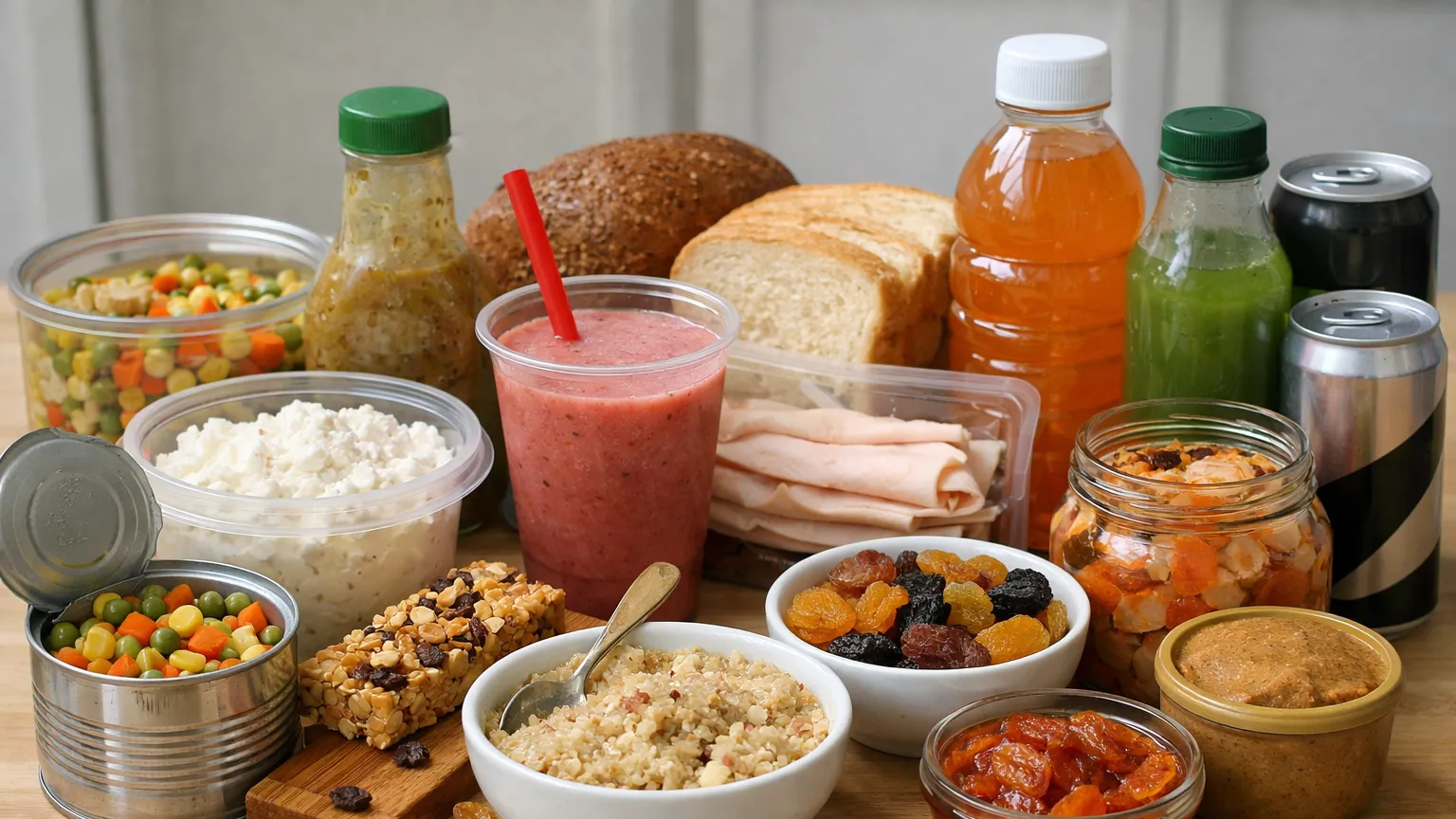
It is a common irony in the modern diet: we reach for something labeled “low-fat” or “veggie-packed” only to inadvertently load up on salt. Manufacturers often use sodium as a primary flavor enhancer and preservative when they remove fats or try to extend the shelf life of “fresh” convenience foods. Take canned vegetable medleys, for example. While the vegetables themselves are fiber-rich and nutritious, the canning liquid is frequently a brine—a classic high blood pressure food trigger designed to keep those peas and carrots firm for months.
The same goes for bottled vinaigrette dressings. We often think a salad is the ultimate health move, but drenching those greens in a store-bought balsamic or raspberry vinaigrette can add more sodium than a side of chips. Even “light” options like low-fat cottage cheese are notorious offenders; salt is used to provide texture and zest that is lost when the milk fat is reduced.
The Hidden Salt in Processed Grains
Many people are surprised to learn that bread and rolls are among the top sources of sodium in the average diet. It isn’t because a single slice is incredibly salty, but because we eat so much of it. Commercial bread requires a significant amount of salt to control the yeast fermentation process and act as a preservative. When you consider the frequent daily consumption of sandwiches, toast, and side rolls, these grains become significant high blood pressure food triggers.
Beyond the salt, there is the issue of refined flour. White breads and even some “multigrain” options that aren’t truly whole grain can trigger an inflammatory response. Chronic inflammation is closely linked to arterial stiffness, which makes it harder for blood to flow smoothly. Even when you opt for “whole wheat,” commercial additives and conditioners can contribute to a higher chemical load than a traditional sourdough.
The Surprising Impact of Natural Sweeteners
We often focus so much on salt that we forget about the “sweet” side of hypertension. Sugar—even the “natural” kind found in honey, agave, or concentrated fruit—plays a massive role in blood pressure regulation. High intake of fructose can lead to an increase in uric acid, which inhibits the production of nitric oxide, a gas that helps your blood vessels relax.
This is particularly relevant with concentrated snacks like dried fruit. While raisins or dried apricots are better than a candy bar, they are essentially sugar-dense high blood pressure food triggers that lack the hydrating volume of fresh fruit. Honey-based granolas are another “health” trap; they are often incredibly calorie-dense and loaded with syrups that contribute to insulin resistance and arterial stiffness.
Navigating Fermented Foods and Sodium Levels
Fermented foods have gained a reputation as a “superfood” due to their probiotic benefits. While these bacteria are great for your microbiome, the delivery system can be problematic. Most traditional fermentation processes—like those used for kimchi and sauerkraut—rely on heavy brine solutions.
Miso paste, another fermented staple, is essentially a concentrated salt base. While these foods offer excellent nutritional value, the “sodium soaking” that occurs during preservation makes them potent high blood pressure food triggers for sensitive individuals. It’s not about avoiding these foods entirely, but rather about portion control and looking for “low-sodium” versions that retain the probiotic benefits without the cardiovascular tax.
Identifying Sneaky Beverage Triggers
What we drink can be just as impactful as what we eat. Many people reach for electrolyte-heavy sports drinks after a workout, thinking they are replenishing their bodies. However, for the average person, the high sodium and sugar content in these beverages can cause a temporary spike in pressure.
Vegetable juices are another category to watch. While a “green juice” sounds like health in a glass, many bottled versions use sodium as a preservative to keep the juice shelf-stable. Even sweetened “healthy” green teas and caffeinated energy boosters can be problematic. Caffeine is a known vasoconstrictor, while added sugars contribute to the inflammatory issues that drive hypertension.
Practical Strategies for Blood Pressure Management
The good news is that you don’t have to live on a bland diet to manage your heart health. One of the most effective moves you can make is to transition from salt-based seasonings to fresh herbs and acids. Lemon juice, lime zest, fresh cilantro, garlic, and ginger can provide a flavor “punch” that satisfies the palate without affecting the arteries.
If you must use canned goods, a simple but powerful trick is to rinse canned beans and vegetables thoroughly under cold water. This can reduce the sodium content by up to 40%. Additionally, start becoming a “label detective.” Look for “Monosodium” (like MSG) or other sodium-based preservatives on ingredient lists, as these are often hidden high blood pressure food triggers under names that don’t immediately scream “salt.”
Embracing a Heart-Healthy Lifestyle
Managing high blood pressure is a marathon, not a sprint. It’s about the cumulative effect of the small choices we make every day at the grocery store and in the kitchen. By peeling back the label on “health” foods and recognizing the hidden risks in processed grains and sugars, you empower yourself to avoid common high blood pressure food triggers.
The goal isn’t perfection; it’s awareness. Every time you swap a bottled dressing for a squeeze of lemon and olive oil, you are giving your heart a much-needed break. Take it one meal at a time, and remember that your palate will eventually adjust to the subtle, vibrant flavors of whole foods.





No Response