






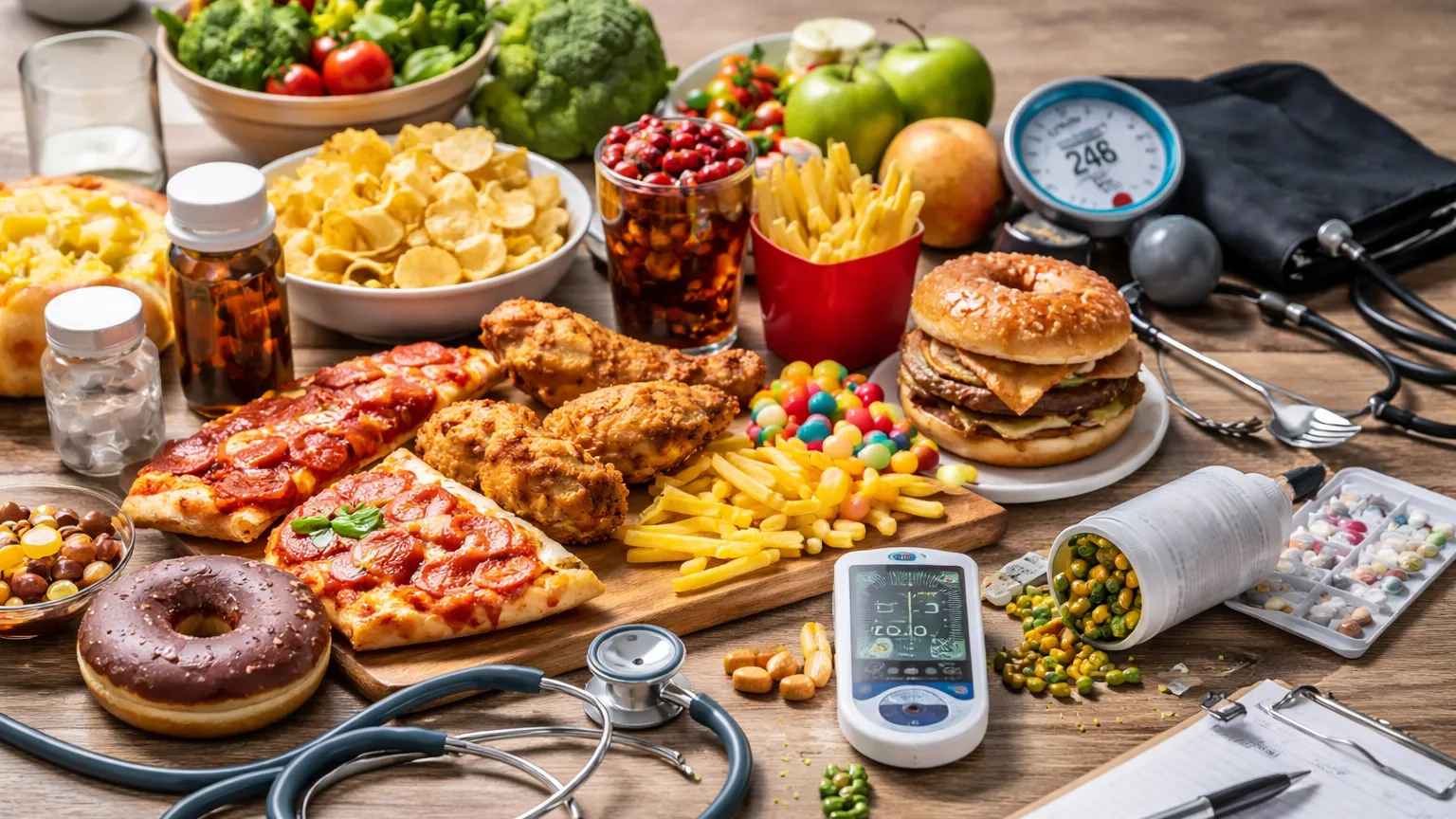
Food is the fundamental fuel that keeps our bodies running, yet it occupies a strangely contradictory space in modern life. We are told that “food is medicine,” yet we are also surrounded by a landscape of dietary choices that can lead to chronic illness. A diet-related disease isn’t just a simple case of “eating the wrong thing”; it is a complex intersection of genetics, lifestyle, and the nutritional quality of what we put on our plates. Understanding this relationship is the first step toward reclaiming your health. In this guide, we will explore the spectrum of food-related conditions—from the immediate dangers of foodborne illness to the slow-burning risks of chronic metabolic diseases—and even the surprising “paradox” where healthy eating goes too far. By the end of this article, you will have a clear roadmap for navigating nutrition without falling into the traps of restriction or excess.
The Paradox of Healthy Eating: When Wellness Becomes a Risk
It sounds counterintuitive, but it is entirely possible to become unwell by trying too hard to be “healthy.” In our current culture of “superfoods” and “clean eating,” many people fall into a psychological trap known as Orthorexia nervosa. This isn’t just about choosing a salad over a burger; it’s an obsessive preoccupation with the perceived purity of food. When the quest for health becomes a source of anxiety, it can lead to severe malnutrition and social isolation, proving that mental well-being is just as vital as physical nutrition.
Beyond the psychological, physiological risks arise when diets become overly restrictive. Eliminating entire food groups—like carbs, fats, or animal products—without professional guidance often results in hidden nutritional deficiencies. You might feel you are “cleansing” your system, but you could actually be starving your body of B12, iron, or essential fatty acids.
Even “healthy” habits like hydration and supplementation have a ceiling. Over-hydration can lead to hyponatremia, a dangerous electrolyte imbalance where the sodium in your blood becomes too diluted. Similarly, the “more is better” approach to vitamins can lead to hypervitaminosis, particularly with fat-soluble vitamins like A and D, which store in your body’s tissues and can reach toxic levels if taken in excess through supplements.
Understanding the Spectrum: From Acute Infections to Chronic Conditions
When we talk about food-related illnesses, we usually think of two distinct categories: things that happen to us (like infections) and things that develop within us over time (like metabolic issues).
Foodborne illnesses are the immediate, often violent reactions to contaminated food. Norovirus and bacterial infections remain the most common culprits, often spreading through improper handwashing or contaminated surfaces. We also frequently see Salmonellosis, typically linked to undercooked poultry or eggs, and Listeriosis, which is particularly dangerous for pregnant women and is often found in unpasteurized dairy or deli meats. These are acute conditions that require immediate attention but are generally preventable through rigorous food safety and hygiene.
On the other end of the scale are diet-induced illnesses that act more like a slow-moving tide. Chronic metabolic syndrome is perhaps the most widespread of these, acting as a “cluster” of conditions—increased blood pressure, high blood sugar, and excess body fat—that occur together, doubling the risk of heart disease and stroke. Occasionally, these reactions can be acute but non-infectious, such as Food Protein-Induced Enterocolitis Syndrome (FPIES), a severe allergic reaction that affects the gastrointestinal tract, reminding us that even “natural” proteins can be a trigger for some.
The 5 Primary Diet-Related Chronic Diseases
While there are hundreds of conditions linked to nutrition, five major chronic diseases dominate the global health landscape. These are the conditions most frequently associated with the “Standard Western Diet,” characterized by high processed sugar, refined grains, and saturated fats.
-
Type 2 Diabetes Mellitus: This is perhaps the hallmark of diet-related disease. It occurs when the body becomes resistant to insulin or the pancreas stops producing enough of it. While genetics play a role, diets high in refined sugars and low in fiber are the primary environmental drivers.
-
Coronary Heart Disease (CHD): Your heart is directly impacted by your dietary fat intake and systemic inflammation. Diets heavy in trans fats and excessive saturated fats contribute to plaque buildup in the arteries, leading to the narrowing that eventually causes heart attacks.
-
Hypertension (High Blood Pressure): Often called the “silent killer,” hypertension is heavily influenced by sodium intake. High salt consumption causes the body to retain fluid, which increases the pressure on blood vessel walls and strains the heart.
-
Certain Types of Cancer: Research continues to show a strong link between diet and cancer. Specifically, high intakes of processed meats and low intakes of fiber-rich vegetables are associated with an increased risk of colorectal cancer, among others.
-
Obesity and Metabolic Dysfunction: Obesity is more than just a matter of “calories in vs. calories out.” It is a complex metabolic state where the body’s hormonal signals for hunger and satiety are disrupted, often by highly palatable, ultra-processed foods that trigger addictive pathways in the brain.
5 Critical Health Problems Linked to Nutrition
Beyond the “Big Five” chronic diseases, there are specific health issues that can stem directly from what we are missing—or what we are over-consuming—on a daily basis.
-
Iron Deficiency Anemia: This is one of the most common nutritional deficiencies worldwide. Without enough iron, your body can’t produce enough hemoglobin for red blood cells, leading to chronic fatigue, paleness, and shortness of breath.
-
Dental Caries and Tooth Decay: We often forget that the mouth is the beginning of the digestive system. Frequent consumption of fermentable carbohydrates (sugars and starches) allows bacteria to produce acid that destroys tooth enamel.
-
Non-Alcoholic Fatty Liver Disease (NAFLD): This is a rising “silent” epidemic. It occurs when excess fat is stored in the liver, often driven by high-fructose corn syrup and sedentary lifestyles, even in people who do not drink alcohol.
-
Osteoporosis from Calcium Deficiency: Our bones are living tissues that require constant “deposits” of calcium and Vitamin D. Long-term deficiency leads to porous, brittle bones that are prone to fractures as we age.
-
High Blood Cholesterol Levels: Elevated LDL (the “bad” cholesterol) is a direct precursor to cardiovascular issues. It is often exacerbated by a lack of soluble fiber and a high intake of industrial seed oils and trans fats.
Practical Steps Toward a Balanced Plate
Navigating these risks doesn’t require a degree in biochemistry. The most effective strategies are often the simplest ones that prioritize consistency over perfection.
-
Prioritize Whole, Single-Ingredient Foods: If a food has a long list of ingredients you can’t pronounce, it’s likely ultra-processed. Aim to fill the majority of your grocery cart with things that don’t need a label—vegetables, fruits, legumes, and unprocessed proteins.
-
Master the Art of Fiber: Fiber is the unsung hero of the digestive tract. It regulates blood sugar, lowers cholesterol, and feeds the “good” bacteria in your gut. Aim for at least 25–30 grams a day from sources like oats, beans, and leafy greens.
-
Be Salt and Sugar Savvy: You don’t have to eliminate these entirely, but be aware of “hidden” sources. Most of our sodium and sugar intake comes from packaged sauces, dressings, and bread, rather than what we add at the table.
-
Listen to Internal Cues: Practice intuitive eating. Eat when you are physically hungry and stop when you are satisfied, not full. This helps reset the hormonal signals that prevent metabolic dysfunction.
Healing the Relationship Between Plate and Body
Understanding a diet-related disease isn’t about fostering fear—it’s about empowerment. When we realize how much influence our daily choices have on our long-term vitality, the kitchen becomes a place of opportunity rather than a minefield. The goal isn’t to achieve a “perfect” diet, as that often leads back to the paradox of orthorexia. Instead, the goal is nutritional resilience: building a body that is strong, well-fueled, and capable of handling the occasional indulgence without spiraling into chronic illness.
Health is a long-term investment that pays dividends in energy, clarity, and longevity. By shifting the focus from restrictive “dieting” to inclusive “nourishing,” you can significantly reduce your risk of developing a diet-related disease and enjoy a more vibrant life.






No Response