

In our fast-paced modern world, we often take the gift of sight for granted until it begins to flicker or fade. We live in an era defined by constant visual stimulation, yet many of the behaviors we consider normal are quietly taxing our eyes. Protecting our vision health isn’t just about getting a stronger prescription every few years; it is about making small, intentional choices every single day. By understanding how our daily routines affect our ocular wellness, we can take proactive steps to ensure our world remains clear and vibrant well into our later years.
Understanding the Foundation of Vision Health
Before we dive into the specific habits that can compromise our sight, it is helpful to define what we mean by vision health. In a broad sense, it refers to the functional state of the eyes and the brain’s ability to process visual information without strain or disease. Maintaining optimal ocular function involves more than just seeing 20/20; it encompasses the health of the retina, the clarity of the lens, and the moisture levels of the corneal surface. When we ignore the signals our eyes send us—like dryness, itching, or slight blurring—we are often overlooking the early warning signs of long-term fatigue.
1. The Constant Strain of Digital Screens
The most pervasive challenge to our vision health today is undoubtedly the time we spend staring at digital screens. Whether it is for work, social media, or entertainment, our eyes are often locked onto high-energy blue light for hours on end. This constant focus at a fixed distance causes the ciliary muscles in the eye to tighten, leading to what professionals call digital eye strain.
When we are deeply focused on a screen, our blink rate significantly decreases. This lack of blinking prevents the eye from refreshing its tear film, resulting in redness and a gritty sensation. To mitigate this, practice the 20-20-20 rule: every 20 minutes, look at something 20 feet away for at least 20 seconds. This simple pause allows the eye muscles to relax and resets our focus.
2. The Danger of Rubbing Your Eyes
It feels almost instinctive to rub our eyes when we are tired or during an allergy flare-up. However, applying excessive force to the eyes can have surprisingly serious consequences for your long-term vision health. The skin around the eyes is the thinnest on the body, and the structures beneath are delicate. Frequent, vigorous rubbing can cause tiny blood vessels to break, leading to dark circles or a bloodshot appearance.
More importantly, repetitive pressure can actually thin the cornea or change its shape, a condition known as keratoconus. This can lead to distorted vision that is difficult to correct even with glasses. Furthermore, our hands are often carriers for bacteria and viruses. By touching our eyes, we are essentially fast-tracking germs into our system, which can lead to infections like conjunctivitis.
3. Overlooking the Risks of Expired Eye Makeup
For those who use cosmetics, the products applied near the eyes can either be a tool for beauty or a breeding ground for bacteria. Eye makeup, particularly liquid products like mascara and eyeliner, has a relatively short shelf life. Over time, the preservatives in these products break down, allowing bacteria to flourish in the dark, moist environment of the tube.
Using expired makeup can lead to painful sties, severe irritation, or even corneal infections that could permanently impact your vision health. A good rule of thumb is to replace mascara every three months and to never share tools with others. It is also vital to thoroughly remove all traces of makeup before sleep, as leftover particles can clog the tiny oil glands in the eyelids, leading to chronic dry eye and inflammation.
4. Skipping Essential UV Protection
Most of us wouldn’t dream of spending a full day at the beach without sunscreen, yet many people regularly step outside without protecting their eyes from the sun. Ultraviolet (UV) radiation is just as damaging to the eyes as it is to the skin. Over time, unprotected exposure can contribute to the development of cataracts, which cloud the lens of the eye, and macular degeneration, a leading cause of vision loss.
Quality sunglasses are not just a fashion statement; they are a fundamental health tool for preserving vision health. When choosing eyewear, it is important to ensure they offer 100% UVA and UVB protection. Wearing a wide-brimmed hat adds an extra layer of defense by blocking sunlight that might peek over the top of your frames.
5. Reading in Poor Lighting and Vision Health
While the old myth that reading in the dark will “ruin” your eyes is a bit of an exaggeration, it certainly doesn’t do your vision health any favors. When the light is dim, your eyes have to work much harder to distinguish contrast and process text. This causes the pupils to dilate and puts an unnecessary strain on the internal muscles of the eye.
Over time, this habit leads to rapid eye fatigue, which can manifest as physical exhaustion or an inability to focus on tasks later in the day. To create a healthy reading environment, it is best to have a focused light source directed onto the page or screen, supplemented by soft ambient light in the room. This balanced lighting reduces the harsh contrast that tires the eyes.
6. The Risks of Sleeping in Contact Lenses
Contact lenses offer incredible convenience, but they require a strict hygiene routine to remain safe. One of the most dangerous habits a lens wearer can develop is sleeping in their contacts when they aren’t specifically designed for overnight use. During the day, your eyes get oxygen from the air; at night, they get significantly less because the lids are closed.
Adding a contact lens into the mix further starves the cornea of oxygen, which is detrimental to overall vision health. This lack of “breathing” can cause the cornea to swell and create tiny tears in its surface, which serve as an open door for serious infections. Taking those few extra minutes to remove and clean your lenses before bed is a small price to pay for the long-term safety of your sight.
7. Ignoring Regular Professional Eye Exams
Perhaps the most silent risk of all is the assumption that because you can see clearly today, your eyes are perfectly healthy. Many serious eye conditions, such as glaucoma or early-stage retinal thinning, do not have obvious symptoms in their beginning stages. By the time a person notices a change in their vision, significant and sometimes irreversible damage may have already occurred.
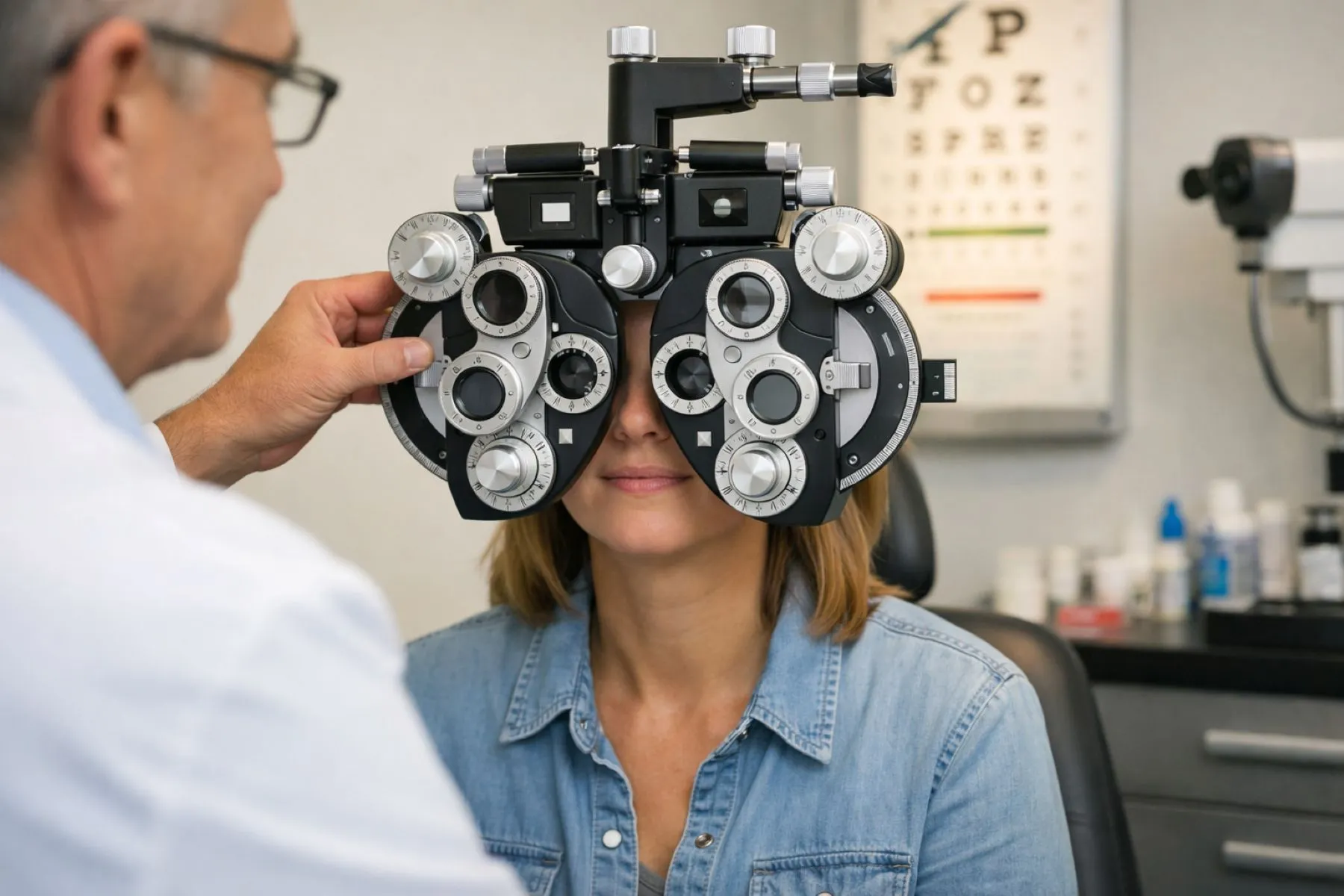
A professional eye exam is more than just a vision test; it is a comprehensive health check. An optometrist or ophthalmologist can see the blood vessels and nerves in the back of your eye, which can even provide early clues about your overall cardiovascular health. Making an appointment once every year or two is the ultimate safety net for your vision health, ensuring that any potential issues are caught and managed before they become life-altering problems.
Our eyes are our primary gateway to the world, allowing us to connect with loved ones, enjoy the beauty of nature, and navigate our daily lives with independence. While the habits mentioned above are common, they are also entirely preventable. By being mindful of our screen time, protecting ourselves from the sun, and respecting the biological needs of our eyes, we can maintain our clarity and focus for decades to come.
Prioritizing your vision health is a form of self-care that pays dividends every single day. If it has been a while since your last check-up, why not reach out to a local eye care professional this week? It is a simple, proactive step toward ensuring that your future remains as bright and clear as possible.