






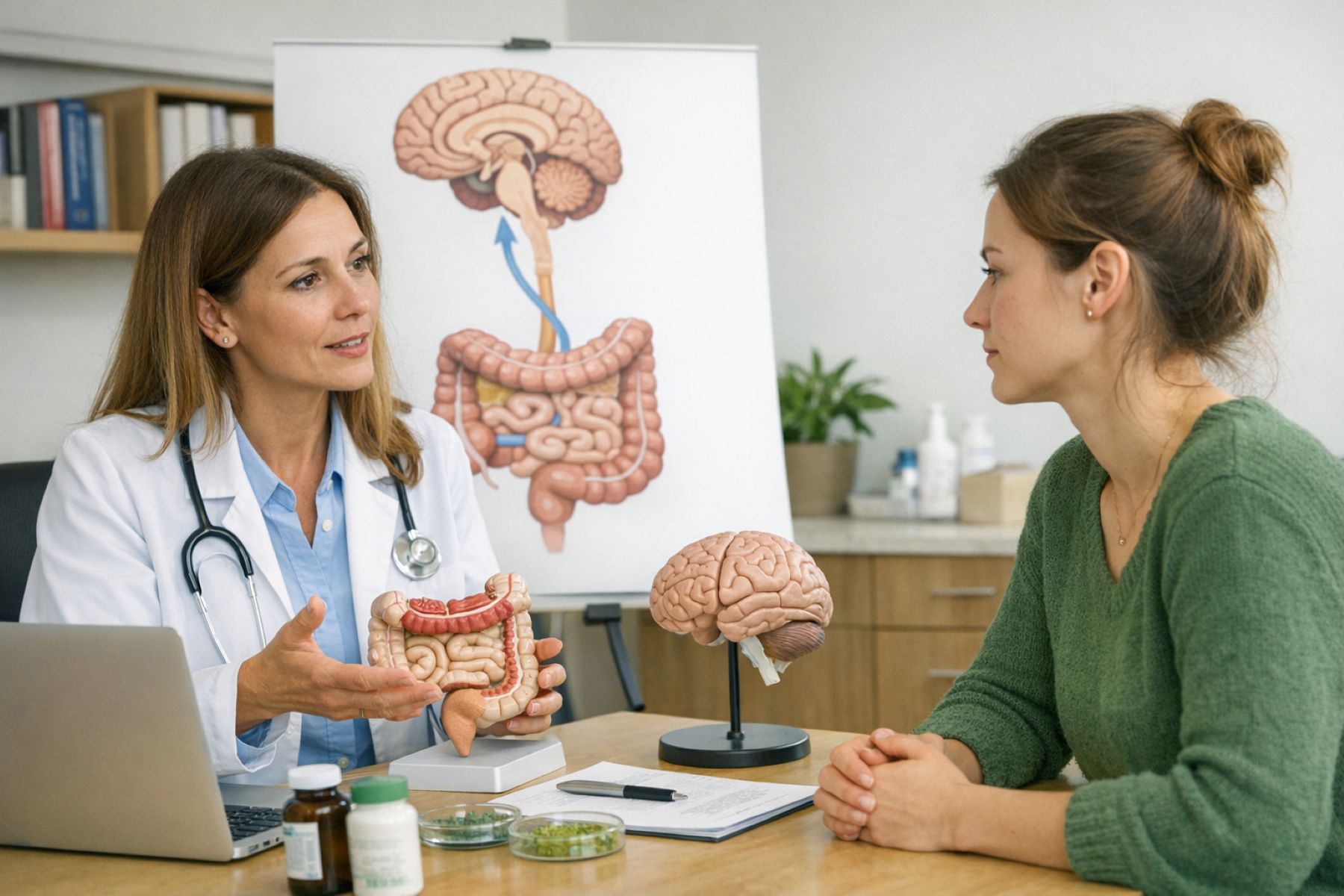
For a long time, we viewed the mind and the body as two entirely separate entities, operating on different wavelengths. We treated a stomach ache with one specialist and feelings of stress or low mood with another. However, modern science is revealing that these two systems are actually locked in a constant, intimate conversation known as the brain-gut axis. If you have ever felt “butterflies” in your stomach before a big presentation or a “gut-wrenching” sensation during a difficult moment, you have experienced this bidirectional communication in action. This connection is far more than just a metaphor; it is a complex biological highway that dictates much of our daily physical and emotional health.
Defining the Brain-Gut Axis
Before we dive into the specifics of how this relationship works, it is important to understand what the brain-gut axis actually is. In simple terms, it is the communication network between the central nervous system (CNS), which includes your brain and spinal cord, and the enteric nervous system (ENS), which governs your digestion. This pathway is fueled by a mix of hormonal, immunological, and neural signals. It essentially means that while your brain can send signals to your gut, your gastrointestinal tract is also sending a constant stream of information back to your brain, influencing your mood, your choices, and even your personality.
1. The Vagus Nerve Facilitates Bidirectional Communication
The primary physical link between your brain and your digestive system is the vagus nerve. Think of this as a massive biological “superhighway” that runs from the brainstem all the way down to the abdomen. While we once thought the brain was the one doing all the talking, we now know that about 80% to 90% of the fibers in the vagus nerve are actually sending information from the gut up to the brain. This constant flow of data allows the gut to report on everything from nutritional intake to inflammatory threats, which the brain then interprets to adjust our emotional and physiological state.
2. The Microbiome Produces Key Neurotransmitter Chemicals
Within your intestines live trillions of bacteria known as the gut microbiome. Far from being simple hitchhikers, these microbes act like a chemical factory. They are responsible for producing a significant portion of the body’s neurotransmitters—the chemical messengers that regulate mood. For example, gut bacteria produce high levels of gamma-aminobutyric acid (GABA), which helps control feelings of fear and anxiety. When the balance of these bacteria is disrupted, it can lead to a shift in the chemical signals reaching the brain, potentially altering how we handle daily stressors.
3. The Enteric Nervous System Functions Independently
Often referred to as the “second brain,” the enteric nervous system (ENS) is a vast network of millions of neurons lining your gastrointestinal tract. What makes the ENS so remarkable is its autonomy; it can manage the entire process of digestion without needing a single instruction from the brain. This independence explains why digestive issues can feel so consuming. Even if your mind is trying to stay calm, an upset ENS can send distress signals that the “main brain” simply cannot ignore, leading to a cycle of physical and mental discomfort.
4. Inflammation and the Brain-Gut Axis
When the gut is irritated by poor diet, sensitivities, or chronic conditions, it often results in localized inflammation. However, the body does not keep this inflammation contained. Inflammatory markers can cross the blood-brain barrier, leading to what researchers call “neuroinflammation.” This internal biological response is often linked to feelings of brain fog, lethargy, and a general sense of emotional malaise. It suggests that sometimes, the “blues” we feel might actually be the brain’s reaction to a silent inflammatory fire occurring in the digestive tract.
5. Serotonin Levels Originate Within the Intestines
Most people associate serotonin with brain health and happiness, but the reality is quite surprising. It is estimated that approximately 95% of the body’s serotonin is produced in the lining of the gut. While gut-produced serotonin does not cross directly into the brain, it plays a vital role in signaling through the vagus nerve and managing the rhythmic contractions of the intestines. When your gut health is compromised, your serotonin production can fluctuate, which often correlates with changes in sleep patterns, appetite, and general emotional stability.
6. Probiotics Influence Cognitive Stress Responses
The emerging field of “psychobiotics” explores how specific strains of beneficial bacteria can actually improve mental health. Studies have shown that introducing certain probiotics can help dampen the body’s stress response. By strengthening the gut barrier and reducing the production of cortisol—the body’s primary stress hormone—these healthy bacteria can help create a more resilient mind. It is a powerful reminder that taking care of your internal ecosystem is a fundamental step in managing the pressures of the outside world.
7. Chronic Indigestion Correlates With Anxiety
The link between chronic digestive issues like IBS and psychological conditions like anxiety is well-documented and deeply intertwined. It is rarely a one-way street; rather, it is a feedback loop. Anxiety can cause the gut to slow down or speed up, leading to discomfort. In turn, that physical discomfort sends signals of “danger” back to the brain, which heightens anxiety. Breaking this cycle often requires a holistic approach that addresses both the physical symptoms in the stomach and the stress-management techniques required for the mind.
A Holistic Path to Wellness
Understanding the brain-gut axis empowers us to look at our health through a much wider lens. It reminds us that our digestive system is not just a tube for processing food, but a sophisticated sensory organ that plays a lead role in how we experience the world. By prioritizing a diverse diet, managing inflammation, and listening to the subtle signals our bodies send us, we can foster a harmonious relationship between our “two brains.” When your gut is at peace, your mind is often much more likely to follow suit, leading to a more vibrant and emotionally balanced life.





No Response