






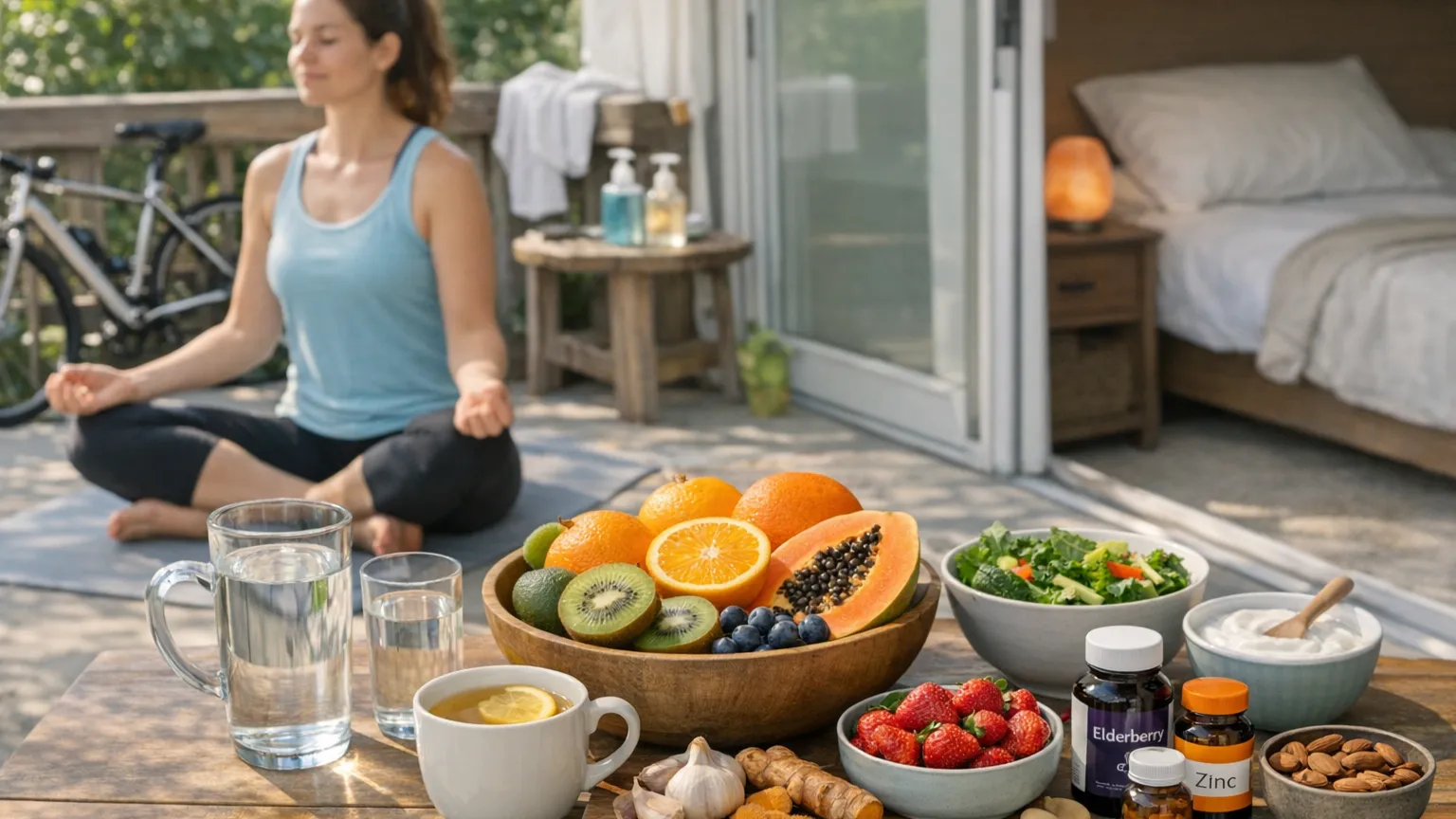
We often don’t think about our immune system until it starts losing the battle. That scratchy throat or sudden wave of fatigue is usually the first sign that our internal defense shield is under pressure. While it’s easy to view immunity as a complex biological fortress, it’s actually a dynamic, living system that responds to every choice you make. If you are wondering how to boost immune system naturally, it isn’t about finding a “miracle pill” or a temporary fix; it’s about creating an environment where your body can perform at its peak. By shifting focus toward sustainable, daily habits, you can build a resilient defense that protects you long before the first sneeze occurs.
Understanding the Fundamentals of Immune Health
The immune system isn’t a single organ; it’s a sophisticated network of cells, tissues, and organs that work in harmony. To keep this network functioning, you have to treat your body like a high-performance machine. This starts with a balanced nutrient intake. Think of vitamins and minerals as the specialized tools your white blood cells need to identify and neutralize threats. When you lack variety in your diet, those tools go missing.
Beyond what you eat, movement plays a massive role. Consistent physical activity improves circulation, allowing immune cells to travel through the body more efficiently. At the same time, we have to acknowledge the invisible drain: psychological stress. When you’re constantly “on,” your body produces cortisol, which can suppress your immune response. Balancing your physical output with mental downtime is a core strategy for anyone looking at how to boost immune system naturally over the long term.
The Realistic Approach to a Quick Boost
We’ve all been there—you have a big event tomorrow, but you feel a “bug” coming on. While you can’t build a titanium immune system in an hour, you can certainly give it the support it needs to fight back harder. The fastest way to assist your system is to eliminate the friction it’s currently facing. Start by hydrating aggressively. Water helps produce lymph, which carries white blood cells throughout the body.
During these critical windows, increasing your vitamin C consumption can provide the antioxidant support needed to protect your cells. However, the real secret weapon is high-quality deep sleep. Your immune system performs its most intensive “cellular repair” while you’re unconscious. If you’re feeling under the weather, an extra three hours of sleep is often more effective than any supplement. Pair this with basic hygiene and a strict reduction in processed sugars—which can cause temporary inflammation—and you’ve given your body the best possible fighting chance.
Nature’s Pharmacy: How to Boost Immune System Naturally with Fruit
If you walked into a grocery store looking for immune fuel, the produce aisle is your best friend. Oranges are the classic go-to for vitamin C, but they are just the beginning. Papayas, for instance, are often overlooked; they contain an enzyme called papain that has anti-inflammatory effects, along with a healthy dose of potassium and folate.
Blueberries are another heavy hitter, packed with flavonoids that provide potent antioxidant properties, specifically protecting the respiratory tract. If you’re looking for a nutrient-dense powerhouse, kiwis offer a massive amount of vitamin K and vitamin C in a tiny package. Even strawberries, which many view as just a dessert topping, are loaded with the essential nutrients required to keep your immune cells signaling each other correctly.
Navigating a 24-Hour Recovery Window
When time is of the essence, your strategy should shift toward soothing and supporting. If you’re trying to turn things around in 24 hours, consider natural interventions like elderberry or zinc, which have been shown to potentially shorten the duration of cold symptoms. Drinking herbal ginger tea is another ritual that serves a dual purpose: it provides warmth and contains gingerol, a bioactive compound that helps lower the risk of infections.
Don’t stay completely sedentary unless you’re truly exhausted. Light stretching can help with lymphatic drainage, while a warm salt bath can help relax muscles and lower stress hormones. Most importantly, avoid inflammatory “trigger” foods. Fried foods and heavy fats require a lot of energy to digest—energy that your body should be redirecting toward your immune defense.
Integrating Movement Into Your Routine
You don’t need to train for a marathon to see an immune benefit. In fact, moderate exercise is often better for immunity than extreme, grueling workouts that can temporarily deplete your energy. A simple 30-minute daily walk in the fresh air is often enough to stimulate the production of “natural killer” cells.
If walking isn’t your style, moderate cycling or a morning yoga session can achieve similar results. The goal is consistency over intensity. Even small changes, like taking the stairs instead of the elevator, keep your heart rate up and your circulatory system active. This constant “flushing” of the system helps your body detect pathogens much earlier than it would in a sedentary state.
Dietary Habits and How to Boost Immune System Naturally for the Long-Term
While fruits are the stars, your main meals need “functional” ingredients to provide a long-term shield. Garlic and onions aren’t just for flavor; they contain allicin and quercetin, compounds that have been used for centuries for their antimicrobial properties.
Furthermore, your gut is the headquarters of your immune system—roughly 70% of it resides there. This makes probiotic-rich yogurt and fermented foods essential for maintaining a healthy microbiome. Combine these with leafy greens for fiber and almonds for vitamin E, and you’re building a foundation that can withstand seasonal changes. Adding turmeric to your cooking is another easy win, as its active ingredient, curcumin, is a world-class anti-inflammatory agent.
Lifestyle Adjustments for Lasting Resistance
Finally, we have to look at the “big picture” habits that dictate our overall health. One of the simplest, yet most neglected, habits is getting 15 minutes of direct sunlight daily. This triggers the production of Vitamin D, a hormone-like vitamin that is crucial for immune function. If you’re stuck indoors, practicing deep breathing techniques can help regulate your nervous system, moving you out of “fight or flight” mode and into a state where your body can focus on maintenance and defense.
It’s also worth looking at what you should stop doing. Limiting alcohol consumption is vital, as alcohol can disrupt the gut microbiome and impair the path of immune cells. Similarly, quitting smoking is perhaps the single most impactful thing you can do to protect your respiratory defenses. These adjustments aren’t always easy, but they create a body that isn’t just surviving, but thriving.
Cultivating a Resilient Future
Strengthening your immune system isn’t a one-off event; it’s a lifestyle composed of small, intentional choices. From the garlic in your dinner to the extra hour of sleep you choose over a late-night show, these moments add up. By learning how to boost immune system naturally through nutrition, consistent movement, and stress management, you aren’t just avoiding illness—you’re investing in your long-term vitality.
The best time to start supporting your immune system is today, while you’re feeling well. Which one of these habits can you start implementing right now? Maybe it’s a glass of water, or perhaps a quick walk around the block. Your body is always listening to the signals you send it; make sure you’re sending the right ones.






No Response