






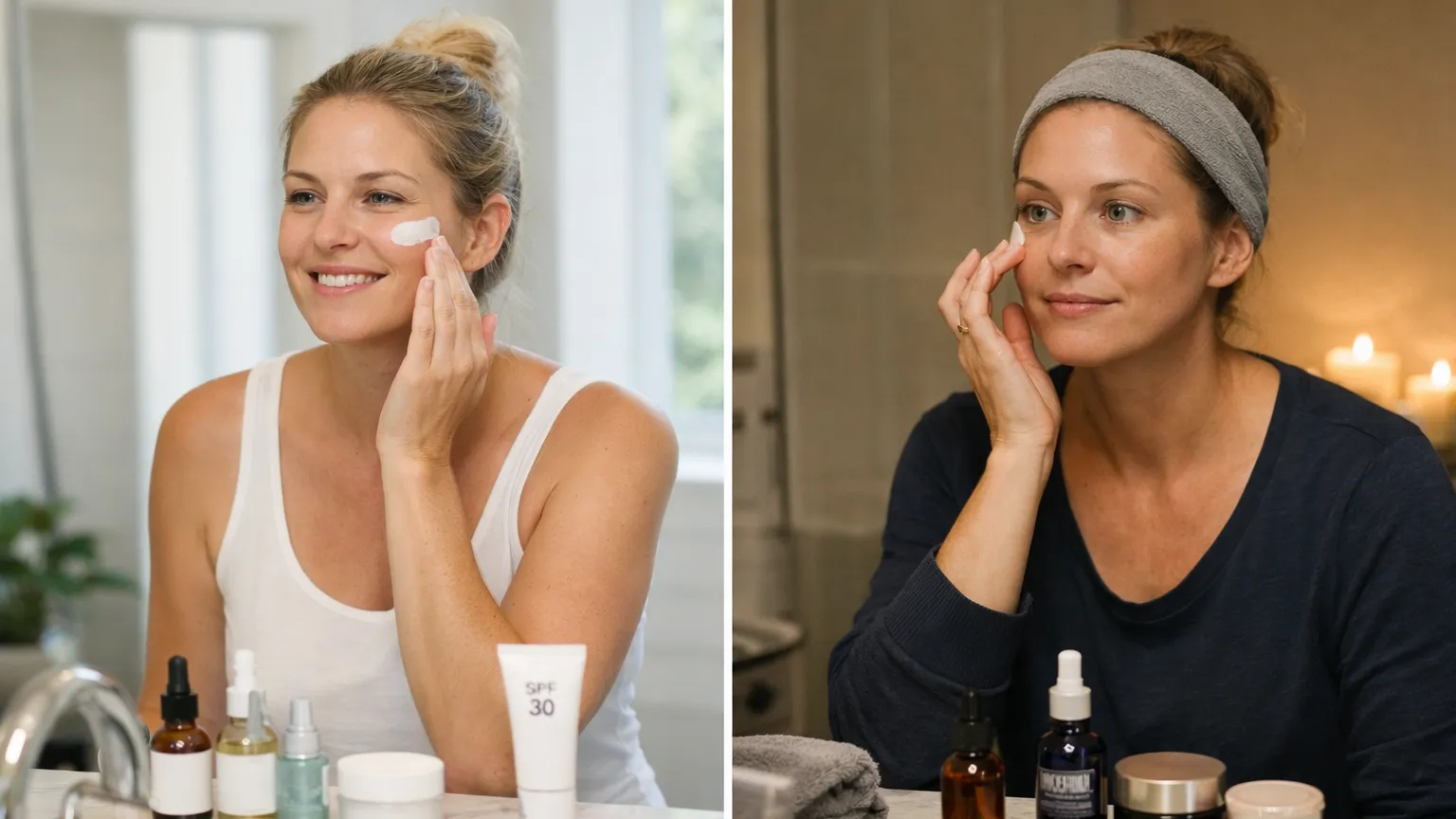
Maintaining a youthful, vibrant complexion is less about finding a “miracle in a bottle” and more about understanding the biological rhythm of your skin. Our skin serves two distinct purposes depending on the position of the sun: it protects during the day and repairs during the night. When we align our anti-aging skincare routine with these natural cycles, we unlock the true potential of our products. This guide explores how to balance protection and recovery to ensure your skin remains resilient, hydrated, and glowing for years to come.
Understanding the Anti-Aging Skincare Routine
Before diving into specific products, it is helpful to define what an anti-aging skincare routine actually aims to achieve. At its core, this regimen is a strategic combination of topical treatments designed to mitigate the visible signs of aging, such as fine lines, loss of elasticity, and uneven skin tone. Rather than trying to “reverse” time, a modern professional approach focuses on supporting the skin’s structural integrity. This involves boosting collagen production, maintaining a healthy moisture barrier, and neutralizing environmental aggressors like UV rays and pollution that accelerate the aging process.
The Core Difference Between Morning and Evening Care
The fundamental philosophy of a successful routine rests on the “Shield and Repair” strategy. During the daylight hours, your skin is in a defensive state. It faces a constant barrage of oxidative stress from the sun and high-energy visible light. Consequently, your morning steps should function as a sophisticated suit of armor. The goal is to prevent damage before it occurs, ensuring that the deeper layers of the dermis remain shielded from the elements that break down collagen.
As the sun sets, your skin’s priorities shift dramatically toward cellular regeneration. While you sleep, blood flow to the skin increases, and the body works to undo the micro-damage sustained during the day. This is the optimal window to introduce potent “actives”—ingredients that might be too unstable or irritating to wear in the sun but are incredibly effective at stimulating cell turnover. By providing your skin with rich, nourishing building blocks at night, you are essentially fueling the natural recovery warehouse that keeps your complexion firm.
Essential Morning Anti-Aging Skincare Routine Steps
Your morning ritual should be refreshing and lightweight, setting the stage for a day of protection. Start with a gentle water-based cleanser to remove any sweat or leftover evening products without stripping your natural oils. Maintaining that initial moisture barrier is the first step in preventing the “crepey” texture often associated with mature skin. Follow this with a high-quality antioxidant serum, specifically one containing Vitamin C, to brighten the complexion and provide a first line of defense against free radicals.
Hydration is the next pillar of the morning routine. Applying a hyaluronic acid serum helps to plump the skin by drawing moisture into the surface layers, which instantly softens the appearance of fine lines. Seal this in with a lightweight anti-aging moisturizer that provides a smooth canvas for the most critical step: broad-spectrum SPF 30+. Sunscreen is the undisputed champion of any anti-aging skincare routine, as it prevents the structural degradation that leads to sagging and deep wrinkles.
Critical Nighttime Recovery Steps
Evening is the time for a more intentional, layered approach. Transition into your recovery phase with the double cleansing method; use an oil-based balm followed by a gentle cleanser to ensure every trace of sunscreen and pollutants is gone. Once the skin is pristine, it is time for the heavy hitters. Applying a retinoid or retinol is generally considered the gold standard for nighttime care, as it encourages the skin to shed old cells and produce fresh, bouncy new ones.
Because active treatments can sometimes be drying, follow up with a nourishing peptide complex and a richer, lipid-replenishing cream. These products act as a “blanket” for your skin, locking in moisture and repairing the skin barrier while you rest. Finally, do not forget a targeted overnight eye treatment. The skin around the eyes is significantly thinner than the rest of the face and requires specialized hydration to prevent the formation of crow’s feet and under-eye hollowing.
Recommended Ingredients for AM Protection
To maximize your daytime defense, look for a synergy of ingredients that work better together. Vitamin C (L-Ascorbic Acid) is a powerhouse, but its efficacy is significantly boosted when paired with Vitamin E and Ferulic acid. This trio stabilizes the formula and provides a much stronger shield against environmental pollutants. Niacinamide, also known as Vitamin B3, is another excellent morning addition as it helps refine pores and calms redness, creating a balanced skin tone.
When it comes to the final layer of protection, your choice of sun filters matters. Mineral options like Zinc oxide are often preferred for sensitive skin as they sit on top of the skin to reflect UV rays, while chemical filters like Avobenzone absorb and dissipate heat. Whichever you choose, ensure the formula is “broad-spectrum,” meaning it protects against both UVA rays, which cause aging, and UVB rays, which cause burning.
High-Performance Nighttime Active Ingredients
Nighttime is when you can utilize ingredients that are “photosensitive” or easily broken down by light. Retinol and its prescription-strength cousin, Tretinoin, are the most well-researched ingredients for improving skin texture and firmness. For those who find traditional retinoids too harsh, Bakuchiol offers a wonderful plant-based alternative that provides similar smoothing benefits without the potential for peeling or irritation.
For added refinement, Alpha Hydroxy Acids (AHAs) like glycolic or lactic acid can be used periodically at night to dissolve the “glue” holding dead skin cells together, revealing a brighter glow. To support the healing process, look for copper peptides and ceramides. Ceramides are essential fatty acids that act like the “mortar” between your skin cell “bricks,” ensuring that your moisture barrier remains intact and your skin stays resilient against external stressors.
Why Sunscreen is Non-Negotiable for an Anti-Aging Skincare Routine
It is often said that the best anti-aging product is the one you probably already own: sunscreen. UV radiation is responsible for up to 80% of visible skin aging. Without SPF, the most expensive serums in the world are essentially fighting a losing battle. Sunscreen prevents UV-induced collagen breakdown and blocks DNA-damaging free radicals that lead to long-term cellular issues. It also inhibits the formation of sunspots and hyperpigmentation, which can often age the face more than wrinkles do.
Furthermore, using a dedicated anti-aging skincare routine often involves ingredients like Retinol or AHAs, which make the skin significantly more sensitive to the sun. If you are using these potent actives at night but skipping SPF in the morning, you may actually be doing more harm than good. Consistency with sun protection maintains overall skin elasticity and ensures that your skin remains a healthy, functional organ rather than just a cosmetic surface.
Addressing Common Anti-Aging Mistakes
Even the most well-intentioned beauty enthusiasts can fall into common traps. One frequent error is using Retinol during the daytime; because sunlight deactivates most retinol formulas, you are essentially wasting the product while increasing your risk of irritation. Similarly, many people mistakenly skip SPF on cloudy days, forgetting that UVA rays penetrate through clouds and glass year-round. Over-exfoliating by mixing too many acids in one session can also backfire, leading to a compromised barrier and increased sensitivity.
Finally, remember that your face does not end at your jawline. Neglecting the neck and décolletage is a common oversight that can result in a visible “age gap” between the face and the body. Treating these areas with the same care—especially sun protection and hydration—is vital for a cohesive, youthful appearance. By maintaining a consistent, thoughtful application schedule, you allow these ingredients the time they need to work their magic, leading to a lifetime of healthy, radiant skin.






No Response