

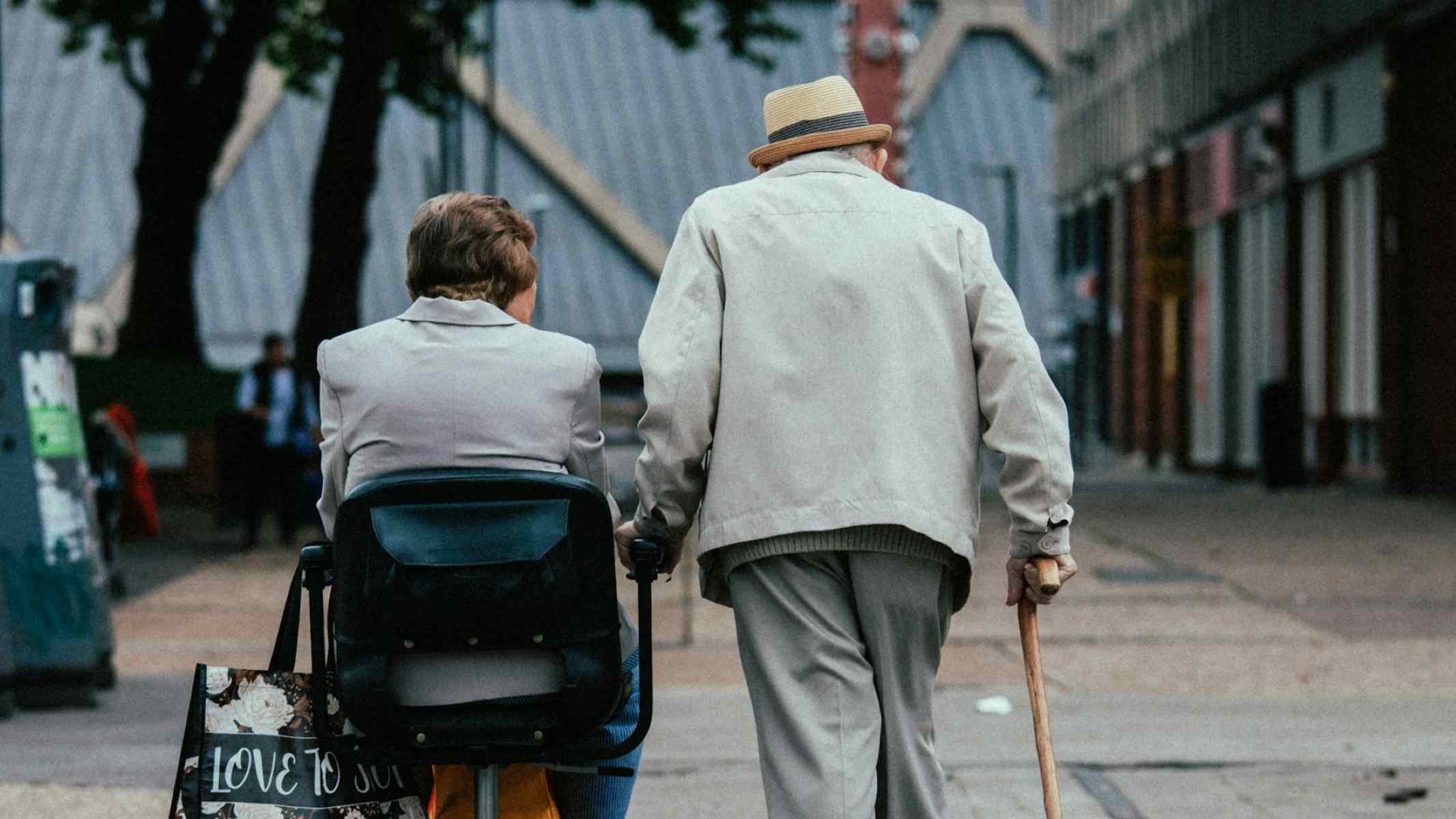
The generational divide is often discussed through the lens of memes and lighthearted “Ok Boomer” jokes, but beneath the surface of these cultural frictions lies a deeper story. For the Baby Boomer generation, born in an era of post-war optimism and tangible social structures, the modern world can often feel like a landscape shifting too quickly to track. These frustrations aren’t merely about resistance to change; they are reflections of a profound transition in how we communicate, work, and value one another.
When we look at the specific triggers that cause friction for Boomers, we begin to see a pattern of lost communal habits and the rise of a high-speed, digital-first existence. Understanding the Baby Boomer generation gaps requires us to look past the surface-level annoyance and see the underlying social concerns that these shifts represent for a generation that built much of the infrastructure we use today.
Defining the Baby Boomer Generation Gaps
To understand this phenomenon, we must first define what we mean by these generation gaps. The Baby Boomer generation, generally defined as those born between 1946 and 1964, grew up in a world characterized by physical presence, linear career paths, and standardized social norms. The “gap” occurs when these established life patterns collide with the rapid, decentralized, and tech-heavy realities of the 21st century. It is more than a difference in age; it is a fundamental difference in the “operating system” used to navigate daily life.
The Exhausting Pace of Technological Advancement
For many Boomers, the primary source of frustration is the sheer velocity of technological change. While younger generations grew up with software updates as a routine part of life, many Boomers value the idea of “mastery”—learning a system once and using it for a lifetime. The constant need to relearn how to perform basic tasks, from banking to ordering food, can lead to a sense of digital exhaustion. This isn’t just about the gadgets themselves, but rather the feeling that the world is becoming increasingly inaccessible to those who prefer stability over constant iteration.
Modern Workplace Communication Styles
The professional world has undergone a radical transformation, moving away from formal hierarchies and toward casual, instantaneous communication. Many Boomers find the lack of formal structure in modern offices—such as the use of Slack or instant messaging for serious decisions—to be unprofessional or chaotic. They often value the “chain of command” and documented meetings, viewing the rapid-fire nature of modern work culture as a threat to thoroughness and long-term planning.
Evolving Social Etiquette Standards
Social norms that were once considered bedrock principles are now being rewritten. For many in the Boomer generation, things like “thank you” notes, formal attire for certain events, and specific rules of introduction are signs of respect. As society moves toward a more relaxed, “come as you are” mentality, many Boomers feel that a layer of mutual respect is being lost. This frustration often stems from a fear that as etiquette fades, so does the glue that holds a polite society together.
The High Cost of Healthcare Accessibility
While technology has advanced, the systems used to deliver essential services like healthcare have become increasingly complex and expensive. Many Boomers are entering a stage of life where healthcare is a primary concern, only to find themselves navigating a maze of digital portals, rising premiums, and automated billing. The gap here is between a generation that remembers a more personal relationship with a family doctor and a modern system that feels impersonal and financially draining.
Declining Traditional Community Engagement
Baby Boomers were the backbone of many local institutions, from bowling leagues to civic clubs and neighborhood associations. Today, as these physical gathering spaces decline in favor of online forums, many seniors feel a sense of isolation. They often view the decline of these “third places” as a loss of neighborhood safety and social cohesion, worrying that the modern world is trading real-world belonging for digital shadows.
Economic Inflation Affecting Retirement Plans
The dream of a stable retirement has been shaken by global economic shifts. Many Boomers worked for decades with specific financial expectations, only to see inflation and market volatility erode their purchasing power. This leads to significant anxiety about the future and a sense of frustration with an economic system that seems to favor high-risk speculation over the steady savings and pensions they were taught to rely on.
Changing Grammatical and Language Norms
Language is a living thing, but for a generation taught that proper grammar is a sign of education and character, the rise of “text speak,” emojis, and shifting pronoun usage can be jarring. Boomers often see the relaxation of linguistic rules as a decline in intellectual rigor. This trigger is less about the words themselves and more about a perceived loss of clarity and the formal standards they spent years mastering.
Modern Parenting and Discipline Methods
Generational differences in child-rearing are perhaps the most sensitive of all triggers. Boomers often grew up with a “children should be seen and not heard” philosophy, emphasizing discipline and resilience. Watching modern “gentle parenting” or the focus on emotional validation can sometimes be interpreted by older generations as a lack of boundaries. This creates a friction point where Boomers worry that younger generations are not being prepared for the “harsh realities” of life.
Diminishing Face-to-Face Social Interaction
Perhaps nothing frustrates a Boomer more than a group of people sitting together but looking at their phones. For a generation that prioritizes eye contact and the “art of conversation,” the digital distraction of the modern era feels like a personal slight. They value the nuances of body language and tone that are often lost in a text message, leading to a feeling that modern connections are shallow compared to the deep, present interactions of their youth.
Shifting Cultural and Moral Values
The rapid redefinition of social and moral boundaries in the 21st century can feel like a whirlwind. Boomers often find themselves in a world where the values they were raised with are suddenly labeled as outdated or even offensive. This creates a defensive posture, as they struggle to reconcile their lifelong beliefs with a culture that seems to be moving toward a more fluid and subjective understanding of morality.
Complex Automated Customer Service Systems
The “customer is always right” era has been replaced by “please listen closely as our menu options have changed.” For many Boomers, the inability to speak to a human being when a problem arises is a major source of stress. They value personal accountability and direct assistance. The wall of AI chatbots and automated phone trees represents a shift toward efficiency at the cost of human empathy and service.
Environmental and Global Instability Fears
Finally, there is a deep-seated concern about the state of the world. While often accused of being indifferent to the environment, many Boomers are actually deeply worried about the legacy they are leaving behind. They remember a time of perceived greater stability and are often overwhelmed by the constant 24-hour news cycle of global crises. This trigger is a mix of guilt, fear, and a desire to see a return to a more manageable and predictable global order.
Understanding these twelve triggers helps us realize that the Baby Boomer generation gaps are not just about “old ways” versus “new ways.” They are about a generation trying to find their footing in a world that looks very different from the one they were promised. By approaching these frustrations with empathy and open dialogue, we can move past the stereotypes and appreciate the wisdom and stability that the Boomer perspective offers.