

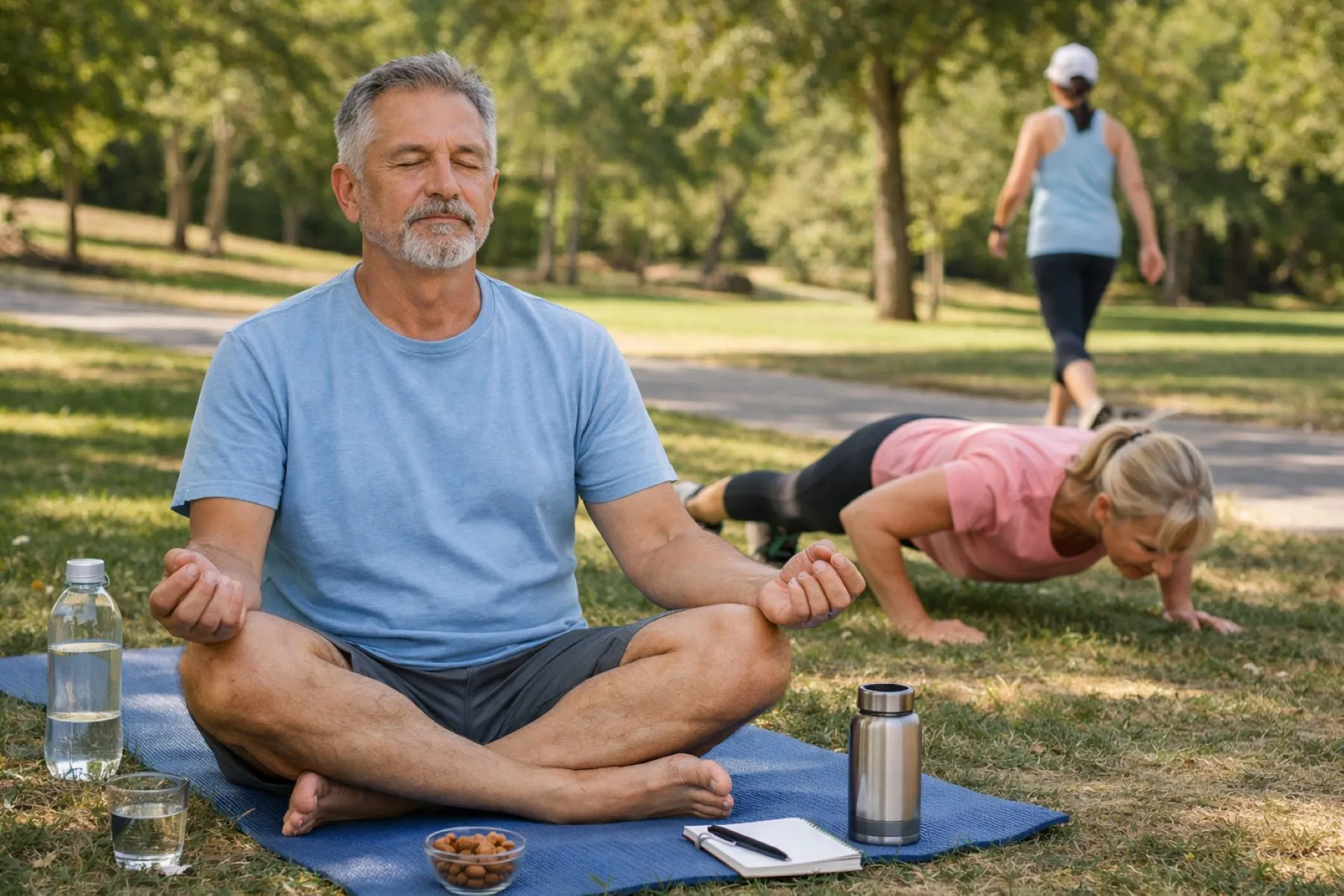
We often live under the impression that living a long, healthy life is a luxury reserved for those who can afford high-end boutique gyms or organic meal delivery services. The wellness industry has done a fantastic job of convincing us that health is something we buy rather than something we cultivate. However, when we look at the longest-living populations on the planet, their “secrets” rarely involve expensive memberships. Instead, their vitality is rooted in simple longevity habits—repetitive, daily actions that cost exactly zero dollars.
The quest for a longer, healthier life is less about radical interventions and more about the compound interest of our routine choices. We are currently facing a modern crisis of sedentary lifestyles, yet the solutions are accessible to everyone. By integrating specific physiological and psychological practices into our day, we can significantly shift our biological age. This article explores seven essential, cost-free activities that require nothing but your time and intention.
The Power of the Breath: Daily Deep Breathing Exercises
It is easy to take breathing for granted because it happens automatically, but there is a profound difference between shallow chest breathing and intentional diaphragmatic breathing. Taking slow, deep breaths sends a direct signal to the vagus nerve to move the body from a “fight or flight” state into “rest and digest.”
Over time, this practice lowers cortisol—the hormone responsible for systemic inflammation. You don’t need a meditation cushion or an app to do this. Simply sitting quietly for five minutes can improve your heart rate variability (HRV), which is a key marker of healthspan. It’s one of those foundational longevity habits that sets the cognitive and physical stage for every other wellness goal you have.
Building the Foundation: Bodyweight Resistance Movements
Many people skip strength training because they don’t have access to a gym, yet your own body provides all the resistance necessary to maintain muscle mass as you age. Sarcopenia, or age-related muscle loss, is a primary driver of frailty. By performing simple movements like squats and push-ups, you ensure your metabolism stays active and your bones remain strong.
The beauty of bodyweight exercise is its functional nature. Integrating these movements into your morning or evening doesn’t require a commute. By maintaining muscle through these simple repetitions, you ensure that you remain mobile and independent well into your later years, protecting your joints and improving your insulin sensitivity along the way.
Honoring the Internal Clock: Consistent Circadian Sleep Cycles
Sleep is perhaps the most underrated pillar of a long life. While we sleep, our brain undergoes a “cleaning” process via the glymphatic system, flushing out metabolic waste. However, the quality of that rest is dictated by our circadian rhythm—the internal 24-hour clock that regulates cell repair.
Going to bed and waking up at the same time every day anchors your biological clock. When you align your life with the rising and setting of the sun, your body knows exactly when to release melatonin. Exposure to natural sunlight shortly after waking further reinforces this cycle, ensuring you feel alert during the day and deeply rested at night—all without a single expensive supplement.
The Simple Magic of Mindful Walking Sessions as Longevity Habits
Walking is arguably the most natural human movement, yet we often treat it as a chore. To turn walking into a true health-boosting practice, we should approach it with mindfulness. A mindful walk isn’t just about hitting a step count; it’s about being present with your movement. This practice has been shown to lower blood pressure and clear the mental fog of screen time.
Whether it’s a stroll through a local park or a brisk walk around the block, the weight-bearing nature of walking supports bone density. When done mindfully—noticing the rhythm of your breath—it also serves as moving meditation. This dual benefit makes it one of the most effective longevity habits for reducing the chronic stress that often accelerates the aging process.
Strategic Nourishment: Intermittent Fasting Protocols
Longevity isn’t just about what we put into our bodies; it’s also about when we give our systems a break. Intermittent fasting is a cost-free nutritional protocol that focuses on the timing of meals. By extending the window between your last meal of the day and your first meal the next, you allow your body to enter a state called autophagy—a cellular “housekeeping” process where cells repair themselves.
You don’t need a complicated diet to see results. A simple 12 to 14-hour overnight fast can improve metabolic flexibility and reduce inflammation. By giving the digestive system a rest, the body can redirect energy toward immune function, which is an essential component of staying young at a molecular level.
Hydration as a Life Source: Drinking Adequate Water
Water is the medium in which all life processes occur, yet many people live in a state of chronic mild dehydration. Every enzyme reaction and detoxification process in your body requires water. Staying properly hydrated ensures that your kidneys can effectively filter waste, your skin stays elastic, and your energy levels remain stable.
Drinking adequate water is perhaps the easiest habit to implement. It’s not just about drinking when you’re thirsty; it’s about proactive hydration throughout the day. Water helps maintain blood volume, reducing strain on your heart. By swapping sugary drinks for plain water, you remove inflammatory triggers while giving your cells exactly what they need to thrive.
Cultivating the Mind: Intentional Daily Gratitude
While physical practices are vital, the state of our mind plays a massive role in our biological health. Chronic negativity creates a chemical environment that can be taxing on our cells. Practicing intentional daily gratitude is a way to rewire the brain’s “negativity bias.” This can be as simple as taking two minutes each morning to mentally list three things you are thankful for.
Research suggests that people who practice gratitude have lower levels of inflammatory biomarkers. It shifts the perspective from what is lacking to what is present, reducing the psychological burden of modern life. This mental shift creates a physiological ripple effect that promotes a longer life by keeping the nervous system in a state of calm.
Practical Steps for Long-Term Success with Longevity Habits
Starting seven new routines at once can feel overwhelming, but the key to success is sustainability. You don’t need to overhaul your entire life by tomorrow morning. Instead, try the “habit stacking” method—attach a new activity to something you already do.
-
Start Small: Commit to just five minutes of mindful walking or two minutes of gratitude.
-
Focus on Consistency: Doing a little bit every day is far more effective than a massive effort once a week.
-
Keep it Free: Resist the urge to buy equipment. Use a chair for squats or a heavy book for light resistance if needed.
A Path to Lasting Vitality
The journey toward a healthier future doesn’t require a massive bank account. It requires a return to the basics: moving your body, breathing deeply, and nourishing your mind with intention. These longevity habits are powerful because they work in harmony with your biology, not against it. By reclaiming these simple daily practices, you are taking proactive control of your health and ensuring that your future self remains vibrant and capable.