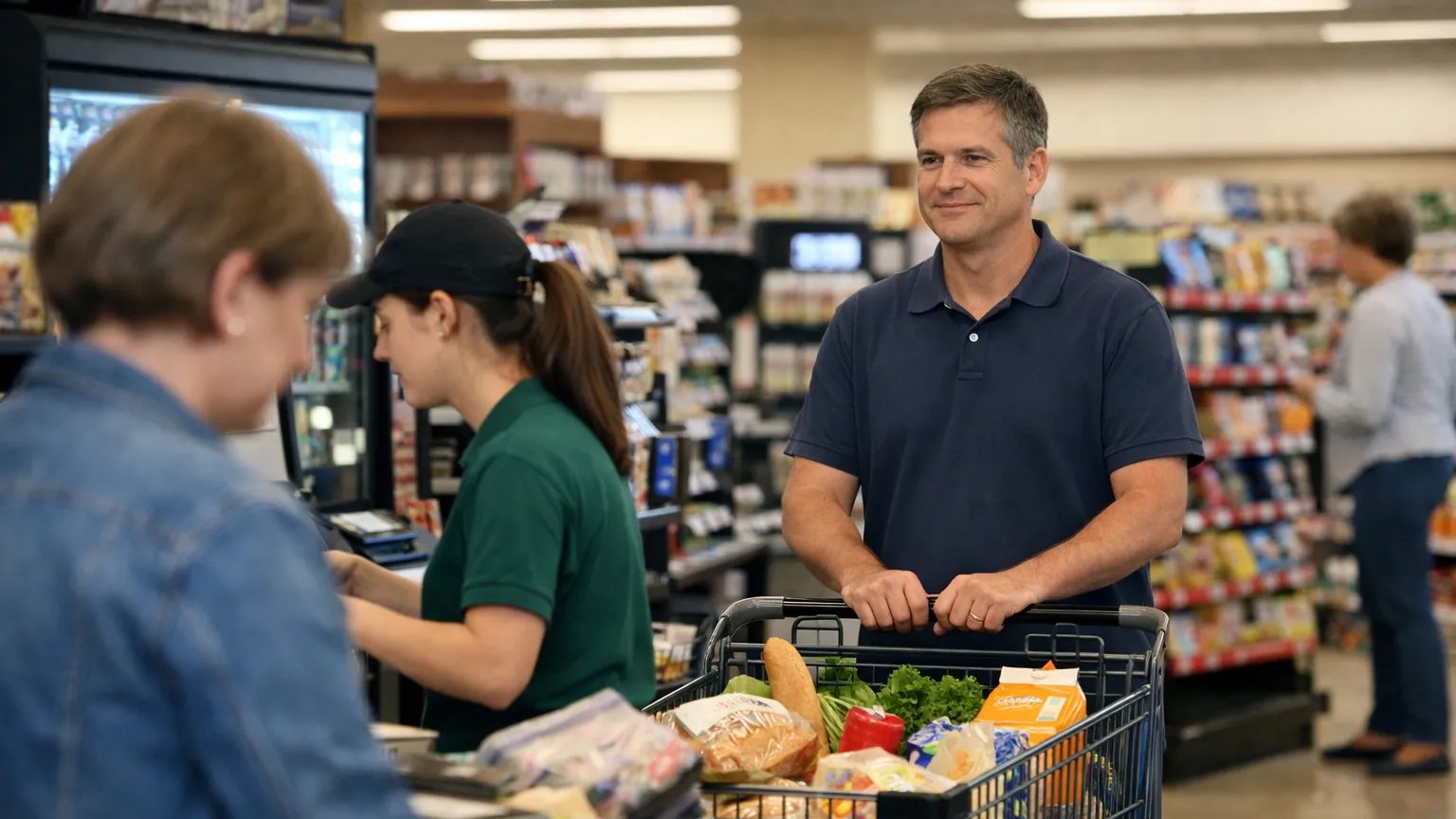
We have all been there. You have a cart full of essentials, the store is buzzing with activity, and you finally reach the home stretch: the checkout line. While it seems like a simple transition from shopping to heading home, the checkout area is actually a high-stakes social environment. Practicing proper checkout etiquette is the key to ensuring this final step of your shopping trip is efficient and respectful for everyone involved. It is the place where patience meets pace, and how we conduct ourselves can either make the experience seamless or create unnecessary friction.
Practicing good manners isn’t just about following unwritten rules; it is about respecting the time and energy of our fellow shoppers and the hardworking retail staff. By being mindful of our habits, we contribute to a more pleasant community atmosphere and ensure that everyone—including ourselves—gets through the process as quickly and stress-free as possible.
What is Checkout Etiquette?
In its simplest form, checkout etiquette refers to the set of social guidelines and respectful behaviors practiced by shoppers while waiting in and moving through a retail payment line. It encompasses spatial awareness, time management, and interpersonal respect. Because the checkout area is a shared space with limited room, these behaviors are essential for maintaining a logical flow and preventing the buildup of “checkout fatigue” among customers and employees alike.
The Importance of Order: Why Cutting is Never the Answer
The most fundamental rule of any shared space is the “first-come, first-served” principle. Cutting ahead of others—whether intentionally or by “saving a spot” for a friend with a full cart—is a major breach of checkout etiquette and the quickest way to create tension. Even if you only have one or two items, it is always best to wait your turn unless someone specifically invites you to go ahead. Respecting the queue shows that you value the time of others just as much as your own.
Beyond just the line itself, it is crucial to remain mindful of the surrounding environment. Blocking store aisles while waiting in a long line can make it impossible for other shoppers to navigate the store. By keeping your cart tucked close and leaving gaps at aisle intersections, you ensure that the store remains functional for those who are still in the middle of their shopping journey.
Efficiency and Care: Handling Items and Carts
When we are close to the finish line, it is easy to get distracted, but this is the time to stay focused on our belongings. Leaving carts unattended to grab a “quick” forgotten item often leads to bottlenecks. If you realize you forgot something, it is usually better to complete your current transaction or ask a staff member for help rather than leaving a metal obstacle in the middle of a moving line.
Similarly, once you are in the queue, your selection process should be finalized. This means we should stop “checking” or swapping out frozen food items or produce at the last minute. Constant reshuffling not only slows you down but can also lead to temperature-sensitive items being left in non-refrigerated areas, which leads to unnecessary food waste.
Sound and Space: Maintaining a Peaceful Environment
In our digital age, it is tempting to use wait times to catch up on phone calls. However, engaging in loud personal phone conversations in a confined line can be intrusive for those around you. It forces others into your private life and can distract the cashier when it is finally your turn to interact. Keeping your phone tucked away—or keeping your voice at a low, respectful volume—is a core tenet of checkout etiquette that helps maintain a calm atmosphere.
Maintaining physical space is just as important as managing noise. Invading the personal physical space of the person in front of you rarely makes the line move faster. Giving the person ahead of you a few feet of “breathing room” creates a more comfortable environment and prevents accidental collisions with carts or ankles.
Supporting the Staff: The Human Connection
The cashier is the heartbeat of the checkout process, and their job is often more demanding than it looks. One of the most important rules of etiquette is to never argue with the cashier over store policies, expired coupons, or prices. If there is a discrepancy, politely asking for a price check or speaking with a manager is the professional way to handle it. A little kindness and a simple “hello” can go a long way in making their shift more manageable.
Preparation also plays a huge role in supporting the staff. We should refrain from excessive coupon fumbling or digging through bags for loose change at the very last second. Having your payment method—whether it’s a card, phone, or organized cash—ready to go ensures a swift transition. While using exact change is helpful, trying to count out dozens of small, loose coins during a rush can hold up the line significantly.
Integrity at the Counter: Being a Responsible Shopper
We have all changed our minds about a product at the last minute. When this happens, the best practice for checkout etiquette is to hand the item to the cashier and let them know you’ve decided against it. Never abandon unwanted items—especially perishables—on random shelves or near the gum and candy displays. This ensures the item can be returned to its proper place quickly and stays fresh for the next person.
Furthermore, it is important to remember that the store is not a dining room. While it may be tempting to start eating groceries or sipping a drink before they are paid for, it is best to wait until the transaction is complete. This prevents confusion over weights or prices and maintains a standard of hygiene and honesty that benefits everyone in the store.
Staying Present: The Power of Social Awareness
Finally, avoiding unnecessary social distractions can make a world of difference. While a quick chat with a neighbor is lovely, becoming so engrossed in a conversation that you fail to move forward when the line advances creates a ripple effect of delays. By staying present and mindful of the task at hand, you ensure that the process remains fluid.
A Better Shopping Experience for All
In the end, following checkout etiquette is about more than just getting out of the store faster; it is about practicing a little bit of empathy in our daily lives. When we choose to be prepared, stay patient, and treat both fellow shoppers and employees with respect, we turn a mundane chore into a positive community interaction.
The next time you find yourself reaching for the conveyor belt, take a quick moment to check your surroundings. Is your cart out of the way? Is your payment ready? A few small adjustments in our behavior can lead to a much smoother experience for everyone involved.