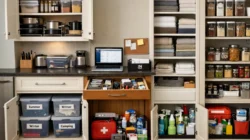

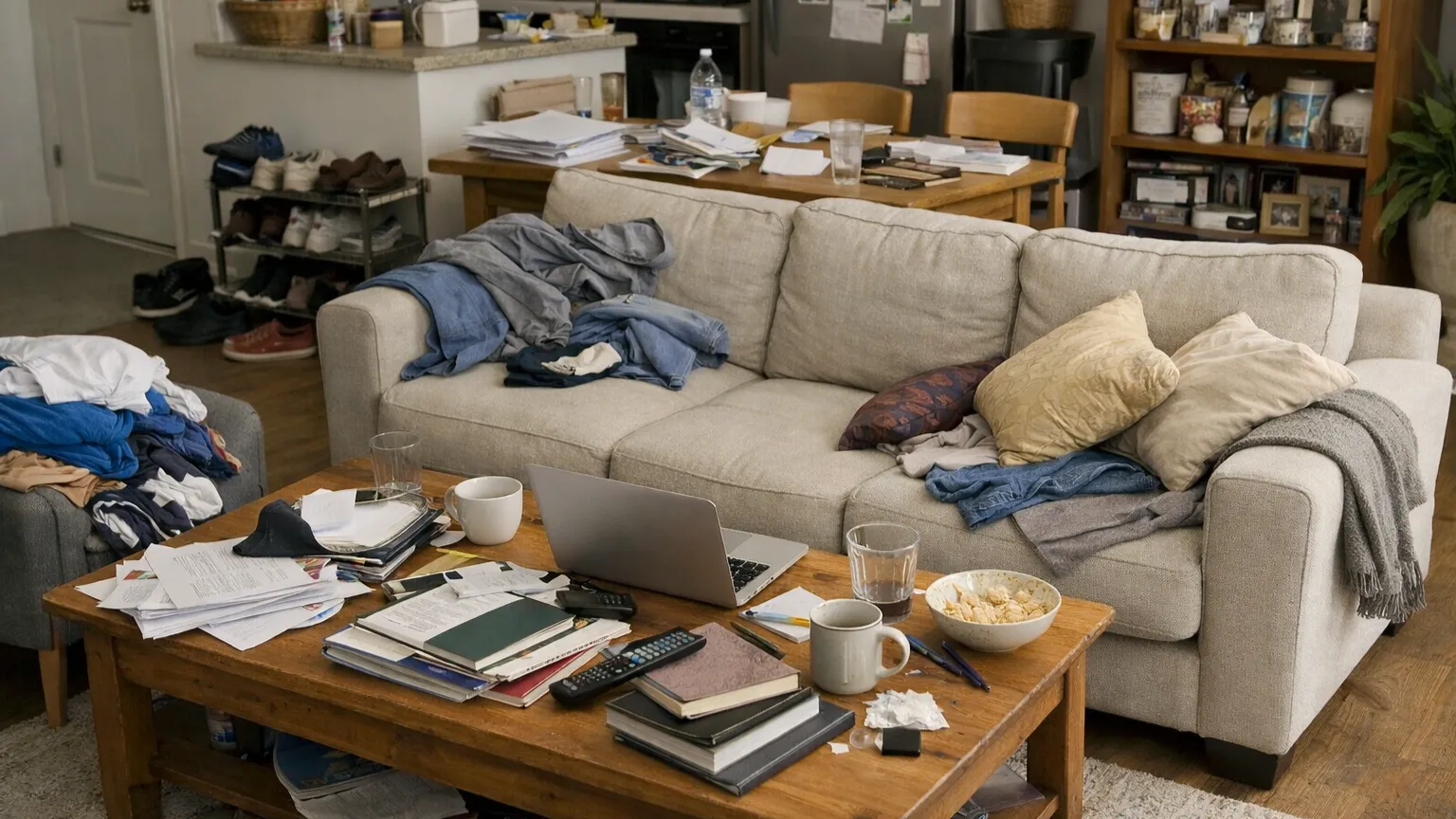
We’ve all been there: you spend an entire Saturday deep-cleaning the house until every surface sparkles, only to find that by Wednesday, the chaos has mysteriously returned. It feels like a losing battle against an invisible force. Most people assume that “clutter” is a result of having too much stuff, but more often than not, it is a byproduct of home organization mistakes rooted in our smallest, most unconscious daily routines.
Home organization isn’t just about buying aesthetic bins or labeling your pantry; it’s about identifying the tiny “micro-habits” that act as magnets for mess. These are the things we do when we’re tired or in a rush. By understanding these common slips, you can stop the cycle of constant cleaning and finally enjoy a home that stays tidy with minimal effort. This guide will walk you through the subtle habits sabotaging your space and offer practical shifts to reclaim your sanctuary.
The Entryway Trap and Avoiding Common Home Organization Mistakes
One of the most common ways clutter begins its invasion is right at the front door. We walk in after a long day, burdened with bags, keys, and a stack of mail. Without a second thought, that mail lands on the entry table to be “looked at later.” This is a classic example of how small oversights lead to larger home organization mistakes. Physical mail, flyers, and menus carry a strange energy—once one piece sits there for twenty-four hours, it becomes a landing pad for more.
The solution is to change your “processing” habit. Instead of a landing pad, create a “launch pad” mentality. Sort your mail the moment you walk through the door, standing directly over the recycling bin. If it’s junk, it never touches a surface. If it’s a bill, it goes into one specific folder. By eliminating the “I’ll deal with this later” phase, you prevent the paper pile-up before it starts.
Similarly, the floor near the front door often becomes a graveyard for shoes. This isn’t just a storage issue; it’s a transit issue. When shoes don’t have a designated, easy-to-access home—like a simple rack or a dedicated basket—they will inevitably scatter. Setting a “two-pair limit” for the entryway can instantly make your home feel more spacious.
The Bedroom “Chair” and the Laundry Loop
In almost every bedroom, there is a designated “chair.” It’s the one perpetually draped in “in-between” clothes—not quite dirty, but not fresh enough for the drawer. While it seems harmless, this habit creates a heavy visual weight. To break this cycle, you have to be honest about your clothing cycle. If you aren’t going to wear it again within 24 hours, it needs to be hung back up or tossed in the wash.
Leaving a basket of clean laundry in the corner for three days is an invitation for more clutter to gather. The “Five-Minute Rule” is your best friend here: if it takes less than five minutes to fold and put away those shirts, do it now to save yourself the mental tax of looking at them all week.
Kitchen Chaos and How to Fix Home Organization Mistakes on Countertops
The kitchen is the heart of the home, which also makes it the primary target for clutter. One of the biggest home organization mistakes is the “appliance graveyard” on the countertops. We tell ourselves that keeping the air fryer, stand mixer, and espresso machine out makes life more convenient. In reality, crowded counters make it harder to prep meals and even harder to clean.
A practical approach is the “Frequency of Use” test. If you don’t use an appliance every single day, it doesn’t earn a spot on the counter. Tucking the blender into a lower cabinet might take ten extra seconds to pull out, but the visual peace of a clear workspace is worth the trade-off. This sense of order extends to the sink as well. Making it a non-negotiable habit to clear the sink before bed changes the entire tone of your morning.
The Hidden Weight of Decor and Undesignated Spots
Sometimes, clutter looks like “stuff,” but other times, it looks like “too much decor.” We often overcrowd our shelves with small trinkets, thinking we are adding personality. However, when every square inch is covered, the eye has nowhere to rest. Try the “One In, One Out” rule for decor to keep surfaces looking curated rather than cluttered.
The most dangerous phrase in home maintenance is: “I’ll just put this here for now.” This is how the “junk drawer” is born. Every single item needs a “forever home.” When an item doesn’t have a designated spot, it will wander around your house like a ghost. If you find yourself moving the same pile of items from one surface to another, it’s a sign those items are “homeless.” Take the time to assign a specific drawer, hook, or bin to these nomads to avoid long-term home organization mistakes.
Actionable Strategies for a Clutter-Free Life
If you’re feeling overwhelmed, don’t try to fix everything at once. Pick one habit to change this week and build from there. Here are some quick, actionable tips to get you started:
-
The One-Touch Rule: Try to only touch an item once. Put the glass in the dishwasher immediately rather than the sink.
-
Surface Sweeps: Clear your dining table and kitchen island every single night to prevent the “pile-on” effect.
-
Digital Integration: Reduce paper clutter by switching to paperless billing and scanning documents into a cloud immediately.
-
The Sunday Sort: Spend 15 minutes every Sunday checking your fridge for expired items and your entryway for excess gear.
Finding Peace in the Process
At the end of the day, your home should support your life, not demand all of your energy. Most “messy” people aren’t actually messy; they just haven’t refined their daily transitions. By identifying these common home organization mistakes—like draping clothes over chairs or letting mail pile up—you can make small, painless adjustments that yield massive results in your quality of life.
A tidy home provides mental clarity and reduces stress. Start small, be consistent, and remember that organization is a practice, not a destination.