

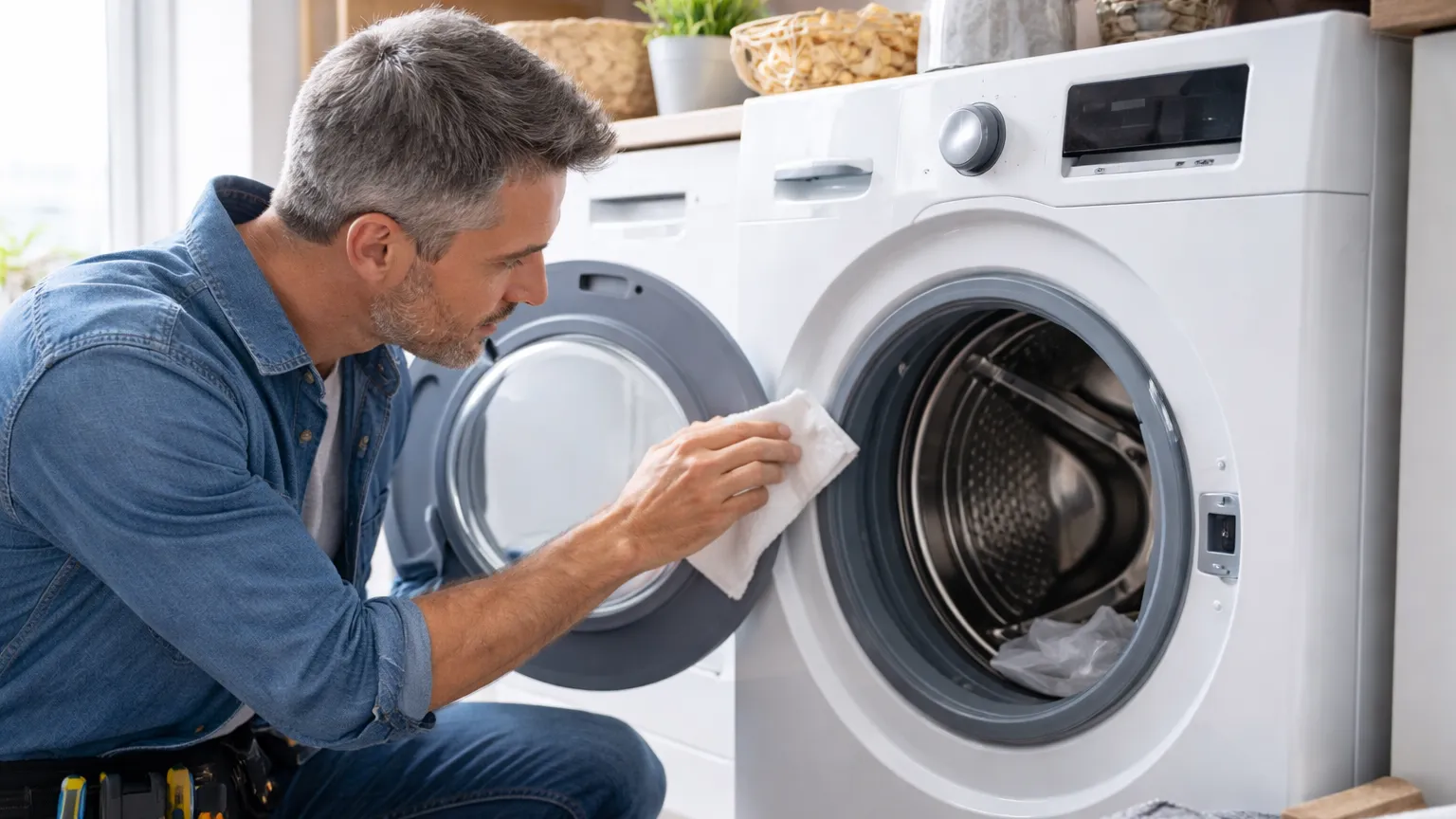
We often think of our washing machines as the indestructible workhorses of the household. They sit in the laundry room churning through piles of muddy gym gear and heavy denim without much complaint. However, consistent laundry machine maintenance is vital because these appliances are precision-engineered machines that rely on a delicate balance of mechanical parts. When that balance is thrown off, it doesn’t just result in a poor wash; it leads to a slow, expensive decline of the machine itself.
Most of us learned how to do laundry through trial and error. However, modern high-efficiency (HE) machines are far more sensitive than the rugged tubs of the 1990s. Many habits we consider “efficient” are actually sending our hard-earned money down the drain. From spiked electricity bills to the dreaded “OE” error code, the costs of neglecting your appliance are real.
The good news is that preventing a breakdown doesn’t require a degree in engineering. By understanding how certain habits stress internal components, you can extend your washer’s lifespan by years. This guide explores the frequent blunders that lead to permanent damage and offers a roadmap to keeping your appliance running smoothly for a decade or more.
The Hidden Cost of the “Maxed Out” Drum
The temptation to shove every last sock into a single load is nearly irresistible. We tell ourselves we’re saving water, but overloading the drum is the most effective way to shorten a machine’s life. When a machine is packed too tightly, clothes cannot move freely, preventing proper cleaning.
More importantly, the sheer weight of a soaked, oversized load puts immense pressure on the bearings and drive motor. Over time, this stress causes the bearings to wear down, leading to a deafening roar during the spin cycle—a repair that often costs as much as a brand-new unit.
The Detergent Paradox: Why More Isn’t Better
We often equate more bubbles with a deeper clean, but the opposite is true. HE machines use remarkably little water, meaning they require very little detergent. When you use excessive soap, the machine cannot rinse it all away, leading to a buildup of “scrud”—a waxy sludge made of residue and skin cells. This sludge causes internal components to corrode and forces the motor to work harder, highlighting why proper laundry machine maintenance starts with the soap dispenser.
The Small Objects That Cause Big Catastrophes
Metallic objects like coins, keys, and hairpins are the natural enemies of your machine’s internal plumbing. While a coin might simply sit in the drum, it can also get sucked into the drain pump. If a hairpin makes its way through the small holes in the drum, it can puncture the outer plastic tub or tear the rubber door seal, leading to catastrophic leaks. Taking thirty seconds to check every pocket is the simplest insurance policy you can have.
Essential Laundry Machine Maintenance: Neglecting “Self-Care”
It feels counterintuitive to wash a machine that stays filled with soap, but your washer needs a cleaning cycle regularly. Over time, minerals from hard water and detergent residue create a film inside hidden parts. This is particularly true for front-loaders, where the rubber gasket can trap moisture and grow mold.
Ignoring the “Clean Tub” cycle allows bacteria to thrive, which is why clothes may come out smelling musty. Beyond the smell, limescale buildup on the heating element can lead to electrical failure. Think of a monthly maintenance wash as a preventative reset button for your appliance’s health.
The Overlooked Impact of Temperature and Time
While cold water preserves fabric color, it isn’t always enough to break down body oils. Conversely, constantly running “Sanitize” cycles can cause plastic parts and rubber seals to degrade prematurely due to heat stress.
Similarly, leaving wet clothes in the drum overnight is a recipe for disaster. The high humidity creates a breeding ground for mildew, which can seep into electronic control boards over time. Simply leaving the door cracked open between washes can prevent the vast majority of odor-related issues.
Practical Steps for Long-Term Appliance Health
Maintaining your washer doesn’t have to be a technical headache. By shifting your habits slightly, you can avoid the “death by a thousand cuts” that many machines face. Here are a few actionable tips:
-
The Palm Test: Ensure there is a hand’s width of space between the laundry and the top of the drum to ensure proper agitation.
-
Measure, Don’t Pour: Use a measuring cup rather than “eyeballing” it. For most loads, two tablespoons are sufficient.
-
The Door Rule: Always leave the lid slightly ajar when not in use to allow the drum to dry.
-
Filter Check: Empty your machine’s drain filter every few months to prevent “mysterious” water backups.
Investing in the Life of Your Appliance
Your washing machine is an investment in your comfort and hygiene. The mistakes we’ve discussed—overloading, over-soaping, and ignoring small debris—are all easily avoidable once you recognize their impact.
By prioritizing consistent laundry machine maintenance and treating your laundry process with intentionality, you aren’t just saving on repair bills; you’re ensuring your clothes stay in better condition for longer. A well-maintained machine is quieter, more efficient, and far more reliable.