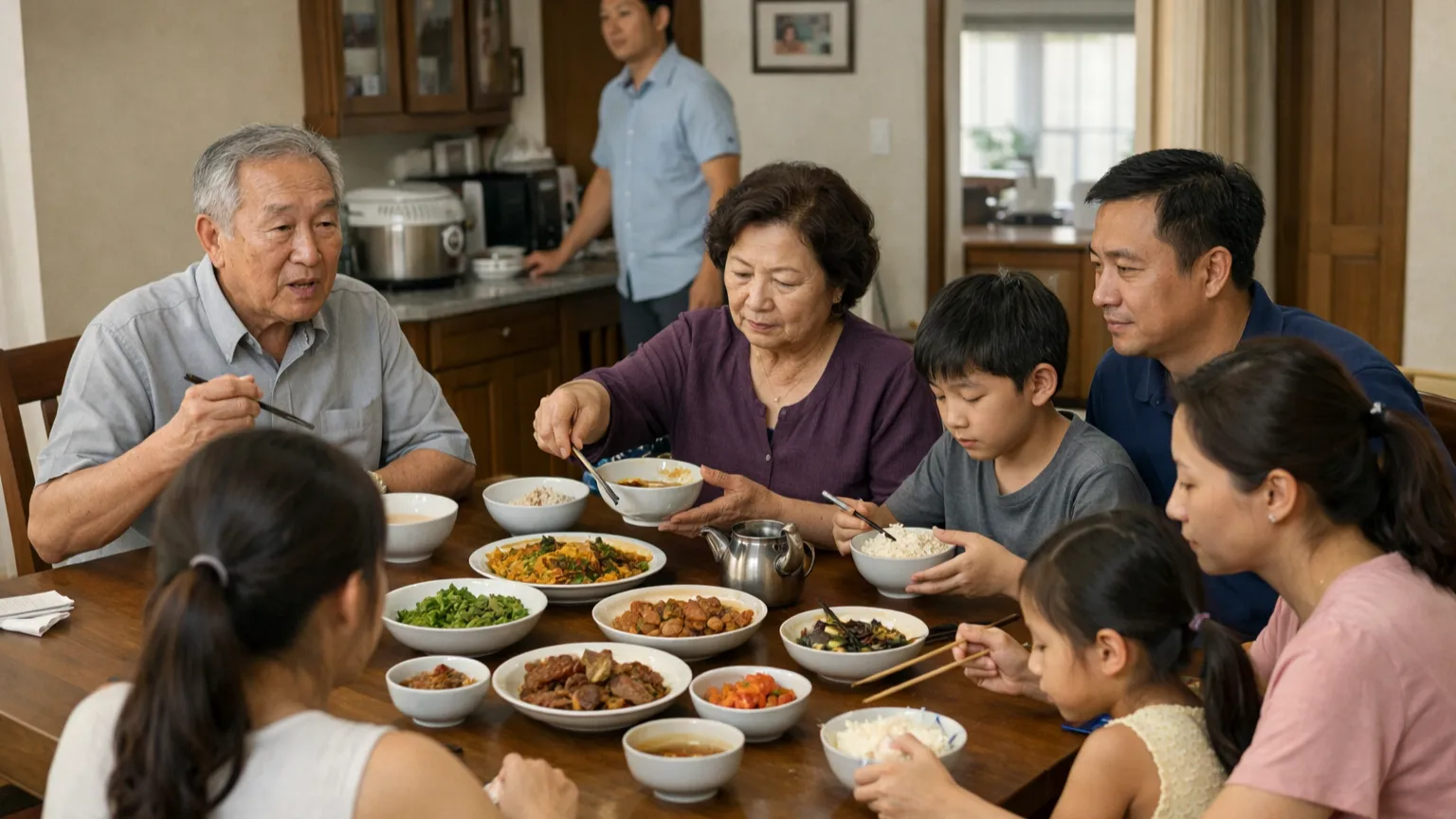
Family is often described as the bedrock of society, a living tapestry woven from the threads of different generations. In today’s fast-paced digital world, the way we interact within our homes is undergoing a significant transformation. At the heart of this change lies intergenerational family dynamics, a complex interplay between the time-honored traditions of our elders and the modern sensibilities of younger generations. Understanding these dynamics is not just about looking back at the past; it is about finding a harmonious way to move forward together.
Defining Intergenerational Family Dynamics
Before we explore the specific habits that define older generations, it is helpful to understand what we mean by intergenerational family dynamics. Essentially, this term refers to the patterns of interaction, communication, and emotional exchange that occur between members of different age groups within a family unit. These dynamics are shaped by cultural heritage, personal experiences, and the evolving social norms that each generation carries with it. By examining these patterns, we can better appreciate the invisible forces that influence how we relate to our parents, grandparents, and children.
The Power of the Collective Over the Individual
One of the most defining characteristics of older generations is the tendency to prioritize collective needs over individual desires. In many traditional households, the “we” always comes before the “I.” This habit fosters a strong sense of duty and sacrifice, ensuring that the family unit remains stable and supported during difficult times. While younger generations may emphasize personal autonomy, the communal focus of elders provides a safety net that reinforces family loyalty and long-term resilience.
Navigating Hierarchical Communication Styles
In many traditional family structures, communication is often hierarchical rather than egalitarian. There is a deep-seated respect for seniority, where the wisdom of elders is accepted with little pushback. While this can sometimes feel restrictive to those used to democratic dialogue, it creates a clear structure of authority. Understanding this dynamic helps younger members navigate conversations with grace, recognizing that for many elders, respect is shown through listening rather than debating.
The Art of Indirect Conflict Resolution
Unlike the modern “talk it out” approach, many older family members practice indirect conflict resolution. Instead of confronting an issue head-on, they might use gestures of kindness—like preparing a favorite meal—to signal peace. This subtle approach aims to preserve “face” and maintain harmony without the discomfort of open confrontation. While it requires a bit of “reading between the lines,” it highlights a deep desire to keep the family peace at all costs.
Honoring Traditional Domestic Roles
Traditional habits often include a clear division of domestic labor based on gender. While modern households strive for a more fluid approach, many elders find comfort and pride in these established roles. The kitchen often becomes the matriarch’s domain, while the patriarch may handle external affairs. Recognizing the value and labor behind these traditional roles allows family members to appreciate the different ways each person contributes to the household’s functioning.
A Conservative Approach to Financial Management
The “waste not, want not” mentality is a hallmark of those who grew up in less certain economic times. Older generations often uphold conservative financial practices, prioritizing savings and tangible assets over speculative investments or luxury spending. This habit serves as a stabilizing force for intergenerational family dynamics, teaching younger members the value of fiscal responsibility and the importance of preparing for a rainy day.
Valuing Physical Presence Over Digital Connection
In an era of video calls and instant messaging, older generations still place a premium on being physically present. For them, a phone call is good, but sitting across the table with a cup of tea is infinitely better. This insistence on “face time” helps ground the family in the physical world, fostering deeper emotional intimacy that screens simply cannot replicate.
Anchoring the Family in Ancestral Heritage
Elders often serve as the keepers of the family story. They emphasize the importance of ancestral heritage and lineage, ensuring that children and grandchildren know where they came from. By sharing stories of ancestors’ struggles and triumphs, they provide the family with a sense of identity and belonging that transcends the current moment, linking the past to the future.
Discipline-Based Parenting and Guidance
Traditional parenting often leans toward discipline and clear boundaries. This approach is rooted in the belief that structure and respect for rules prepare children for the challenges of the real world. While modern parenting may be more collaborative, the discipline-bound habits of elders offer a framework of consistency that many find comforting and grounding as they grow.
Bridging the Gap in Mental Health Discussions
There is often a natural resistance among older generations to modern psychological health discussions. Many were taught to “carry on” rather than dwell on internal struggles. Navigating this requires empathy; it’s about translating modern concepts into language that resonates with their lived experience, focusing on “well-being” and “resilience” rather than clinical labels.
The Significance of Cultural Dining Etiquette
The dinner table is often where intergenerational family dynamics are most visible. Traditional dining etiquettes—such as waiting for the eldest to eat first or specific seating arrangements—are not just about manners; they are rituals of respect. These practices turn a simple meal into a ceremony of family unity, reinforcing the bonds between those sharing the bread.
The Strength of Multi-Generational Living
Many older cultures encourage or even expect multi-generational living arrangements. While this requires a high degree of patience and compromise, it offers unparalleled support systems. Grandparents provide childcare and wisdom, while younger members offer physical help and a connection to the modern world. This proximity creates a rich, albeit complex, environment for emotional growth.
Respecting the Authority of the Elders
Finally, one of the most enduring habits is the practice of consulting elders on major life decisions. Whether it’s buying a home or choosing a career path, seeking the blessing or advice of the family patriarch or matriarch is a sign of ultimate respect. It acknowledges that their years of experience hold value that cannot be found in a search engine.
Finding Harmony in Tradition
Exploring the traditional habits of older generations reveals a deep well of wisdom and a commitment to family stability. While the world around us changes, the core values of respect, loyalty, and communal support remain timeless. By approaching these intergenerational family dynamics with an open heart and a reflective mind, we can build bridges between the old and the new. Embracing these traditions doesn’t mean living in the past; it means carrying the best parts of our history into a brighter, more connected future.