






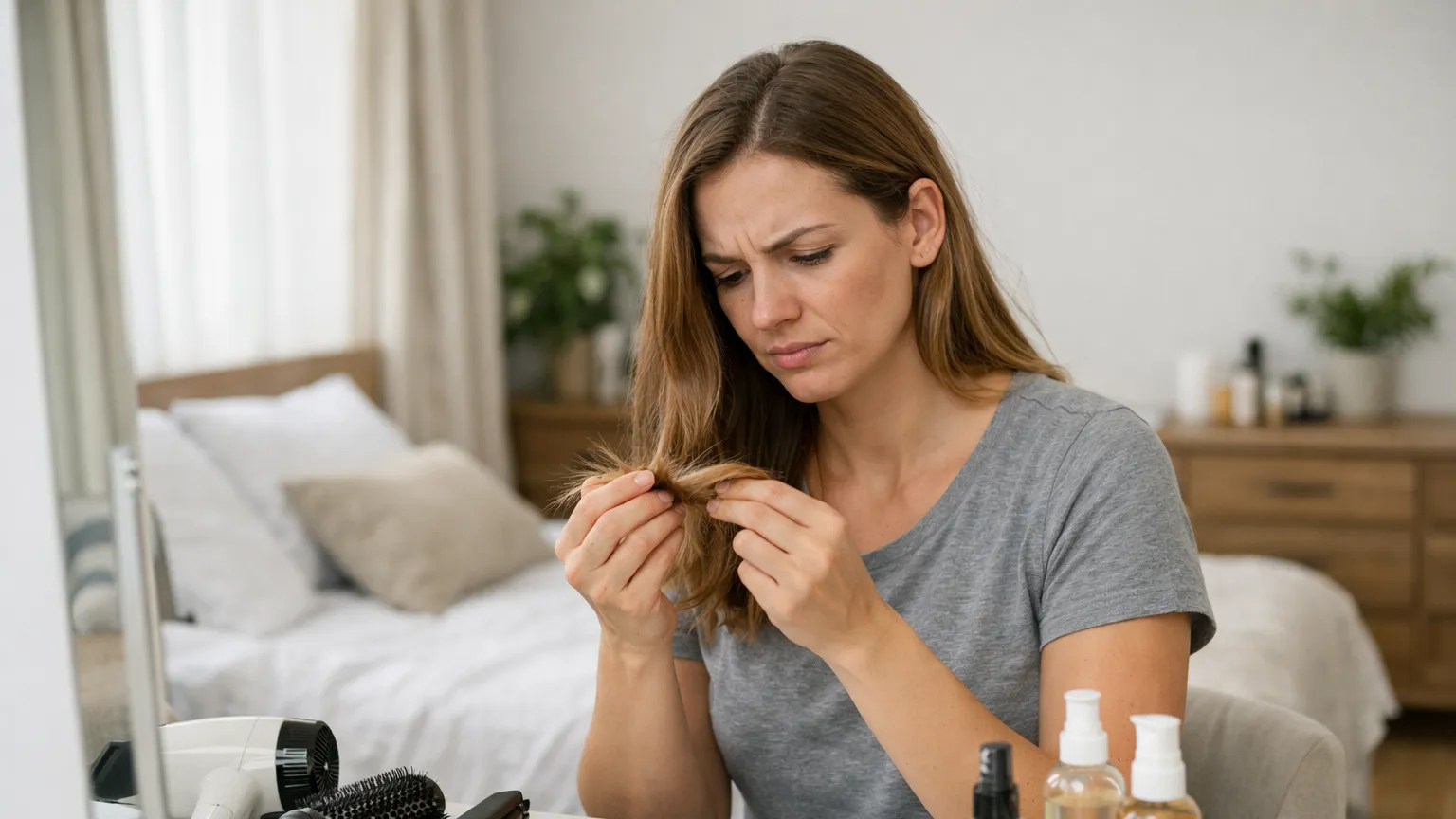
We often treat our hair as an accessory—something to be curled, straightened, dyed, or tucked away—forgetting that it is a living reflection of our internal health and daily choices. While a “good hair day” can boost your confidence into the stratosphere, those strands are surprisingly sensitive to the friction of modern hair habits. Between the rush of morning styling and the environmental stressors of city living, our daily routines often do more damage than we realize. Understanding the bridge between our lifestyle and our scalp health is the first step toward reclaiming that natural luster that no bottle of serum can truly replicate.
The Foundation of Vitality: Essential Elements for Healthy Hair
Healthy hair doesn’t start in the salon chair; it begins with the fuel you provide your body and the environment you create for your scalp. Think of your hair like a plant: if the soil is dry and the nutrients are lacking, the leaves will never shine. A balanced nutritional intake—specifically proteins, iron, and omega-3 fatty acids—acts as the building blocks for keratin. Without these, your body deprioritizes hair growth to save energy for more vital organs.
Scalp hygiene is the next pillar. We often focus on the hair shaft, but the scalp is where the magic happens. Keeping the pores clear of excess sebum and product buildup prevents inflammation that can lead to thinning. Coupled with proper hydration, which keeps the hair shaft flexible and less prone to snapping, these internal habits create a resilient base. Finally, minimizing heat exposure is non-negotiable. While we love the look of a professional blowout, constant high temperatures strip away the protective cuticle, leaving the “core” of your hair vulnerable to the elements.
The Silent Saboteurs: Common Daily Habits That Damage Hair
Most of us are guilty of damaging our hair without even knowing it. It’s rarely one single event that ruins a mane; rather, it’s the cumulative effect of small, aggressive actions. Take, for instance, the way we dry our hair. Many people step out of the shower and immediately engage in vigorous towel drying. This rough friction raises the hair cuticle and causes immediate frizz and long-term breakage. Swapping the heavy bath towel for a soft microfiber wrap or an old cotton T-shirt can be a game-changer for those looking to improve their modern hair habits.
Then there’s our obsession with “sleek” looks. Tight hairstyles, like high ponytails or snatched buns, exert constant tension on the follicles. Over time, this “traction” can actually weaken the root, leading to a receding hairline or thinning patches. When you combine this physical stress with over-washing using harsh, sulfate-heavy shampoos, you’re essentially stripping your hair of its natural defense system. Your scalp often responds by overproducing oil, creating a frustrating cycle of grease and dryness that feels impossible to break.
Recognizing the Red Flags: Signs of Significant Hair Deterioration
How do you know when your modern hair habits have gone too far? The signs are usually staring back at us in the mirror, though we often mask them with more product. Split ends and breakage are the most obvious indicators that the structural integrity of the hair is compromised. If you find small pieces of hair on your bathroom floor or shoulders, that’s a sign of mid-shaft breakage rather than natural shedding.
Noticeable thinning or a loss of volume often points to more systemic issues, perhaps related to stress or scalp health. If your hair feels persistently dry and frizzy despite using heavy conditioners, your “porosity” might be off—meaning the hair can no longer hold onto moisture. A tell-tale sign of healthy hair is its ability to reflect light; therefore, a persistent lack of natural shine usually means the outer cuticle is too damaged to lie flat, resulting in a dull, matte appearance that feels rough to the touch.
Restoring the Glow: Professional Solutions for Hair Restoration
If the damage is already done, don’t panic. Hair is incredibly resilient if given the right tools to recover. The most effective—and often most feared—solution is a regular trimming schedule. Cutting off an inch of dead weight prevents split ends from traveling up the hair shaft and causing more extensive damage. It’s the “reset button” your hair needs to look thick and healthy again.
For deeper restoration, professional-grade deep conditioning treatments or protein-rich hair masks can temporarily fill in the gaps in a damaged cuticle. These treatments provide a concentrated dose of moisture or structural reinforcement that standard drugstore conditioners can’t match. Additionally, don’t overlook the power of scalp massage stimulation. Whether done professionally or at home, increasing blood flow to the scalp ensures that nutrients actually reach the follicle, encouraging stronger, faster growth from the source.
The Invisible Influence: Lifestyle Factors Influencing Hair Quality
Beyond what we do to our hair, we must consider what we do to our bodies. High stress levels are perhaps the most underrated enemy of a healthy mane. Chronic stress pushes the body into a “fight or flight” mode, which can prematurely push hair follicles into the shedding phase. This is why many people notice significant hair loss a few months after a particularly stressful life event.
Our environment also plays a massive role. Environmental pollutant exposure, such as smoke and heavy metals in city air, can settle on the scalp and cause oxidative stress. This is compounded by poor sleep quality; our bodies perform the bulk of their cellular repair while we snooze. If you aren’t getting deep rest, your hair isn’t getting the repair time it needs. Finally, the frequency of chemical processing—bleaching, perming, or chemical straightening—acts as a multiplier for all these other stressors, eventually leading to a “chemical haircut” if not managed with extreme care.
Modern Preventive Maintenance Strategies
Prevention is always more effective (and cheaper) than a cure. Transitioning to a proactive routine can save your hair from the stresses of a contemporary lifestyle. One of the easiest swaps in your modern hair habits is using silk or satin pillowcases. Unlike cotton, silk doesn’t absorb moisture from your hair and allows it to glide smoothly as you move in your sleep, preventing morning tangles and breakage.
In the era of climate change and thinning ozone, applying UV protection sprays is becoming as essential as facial sunscreen. The sun’s rays can degrade hair protein and fade color, leaving strands brittle. Furthermore, selecting sulfate-free products ensures you are cleaning your hair without “degreasing” it to a point of damage. When it comes to detangling, throw away the fine-tooth plastic brushes and opt for a wide-tooth comb or a flexible detangling brush, starting from the ends and working your way up to the roots to minimize snapping.
Crafting Your New Hair Narrative
Reclaiming your hair health isn’t about buying the most expensive luxury mask on the shelf; it’s about auditing the small, quiet habits that fill your day. By shifting from a mindset of “fixing” hair to “nurturing” it, you create a sustainable environment where your natural texture can thrive. Whether it’s choosing a loose braid over a tight bun or making sure you’re drinking enough water, these small pivots add up to a significant aesthetic and biological shift.
Your hair is a journey, not a destination. It will change with the seasons, your age, and your stress levels, but by staying mindful of these modern hair habits, you can ensure your hair remains a vibrant part of your identity. Why not start tonight? Swap your cotton pillowcase or commit to an extra glass of water, and give your hair the chance to show you its true potential.





No Response