






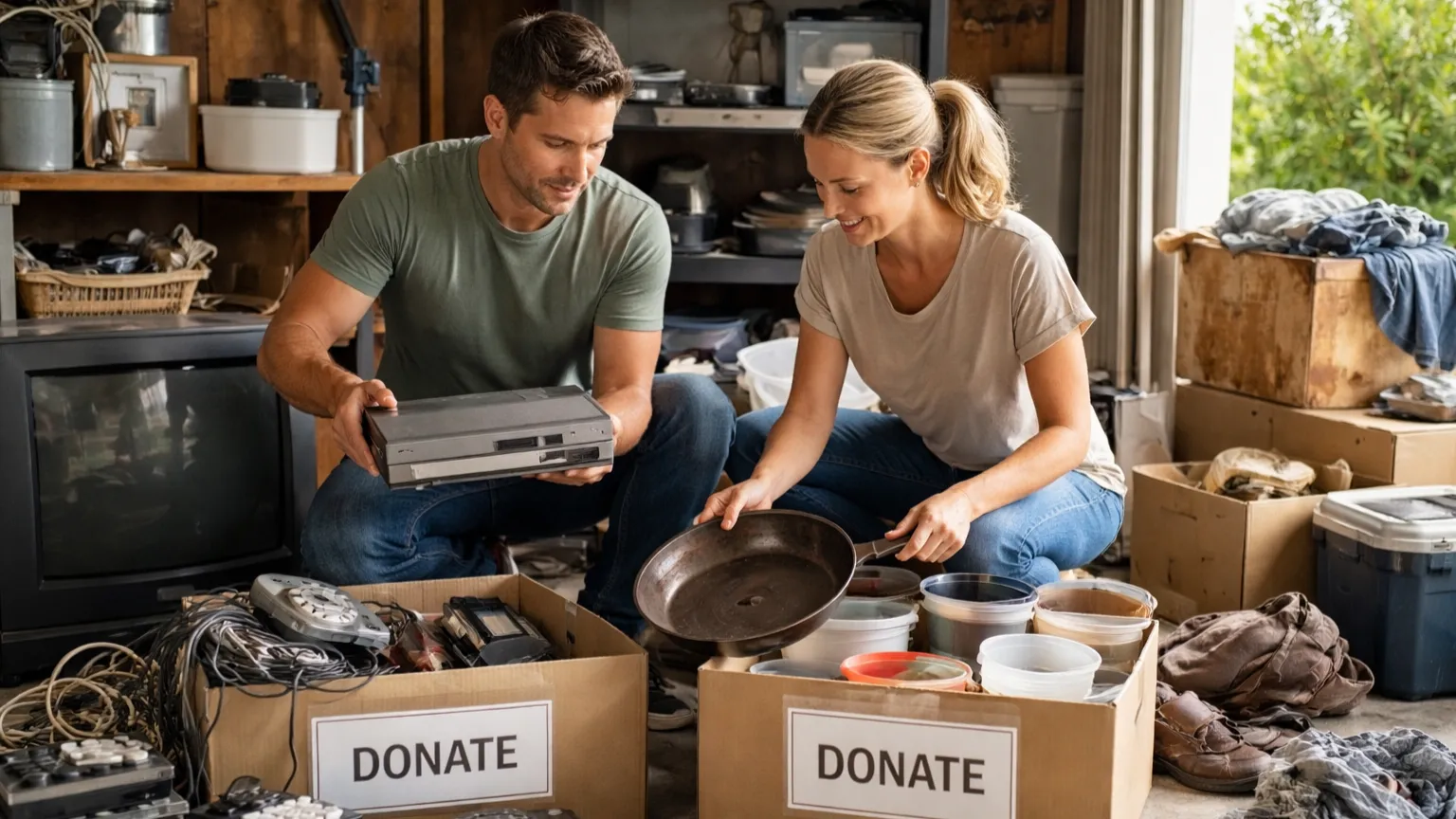
The concept of a “home” is often synonymous with comfort and security, a sanctuary where we surround ourselves with the things we love. However, over time, that sanctuary can subtly transform into a storage unit for a past version of our lives. We often find ourselves sidestepping boxes of old electronics or digging through drawers filled with mismatched lids, barely noticing how these items have transitioned from useful tools to stagnant clutter. Learning the art of decluttering unused household items isn’t just about cleaning; it is about reclaiming your space and your mental energy from the weight of the obsolete.
Defining Obsolete Household Items
When we talk about obsolete items, we are referring to the belongings that have quietly lost their utility. These are typically things that no longer serve their original purpose because they are broken, worn out, or have been surpassed by more efficient modern alternatives. In a professional household setting, obsolescence often falls into three categories: functional, technological, and emotional.
Functional obsolescence includes items that are simply too damaged to work, like a toaster that only browns one side. Technological obsolescence covers products replaced by digital innovations—think of the heavy GPS units replaced by smartphone apps. Finally, there is the emotional category, where we hold onto belongings purely for sentimental value, even if they no longer fit our current lifestyle. Identifying these categories makes the process of decluttering unused household items much more objective and manageable.
Common Electronics and Decluttering Unused Household Items
Technology moves at a blistering pace, leaving a trail of “e-waste” in its wake. Many of us still have bulky CRT televisions tucked away in a guest room or garage, gathering dust because they are too heavy to move and incompatible with modern streaming devices. Similarly, analog cameras and old film rolls often sit in drawers; while they hold a certain vintage charm, they are rarely used in an age of high-definition digital photography.
The “junk drawer” is another prime culprit, often housing tangled piles of VGA cables, proprietary chargers for phones that haven’t been manufactured in a decade, and non-functional DVD or CD players. These items occupy valuable real estate and rarely, if ever, see the light of day. Disposing of these through proper e-waste recycling programs not only clears your shelves but also ensures that heavy metals and plastics are handled responsibly.
Kitchen Goods Replaced by Modern Alternatives
The kitchen is the heart of the home, but it is also a magnet for clutter. Over the years, we accumulate tools that eventually become more of a hindrance than a help. Scratched non-stick Teflon pans, for instance, are not just difficult to cook with; they can also pose health concerns when the coating begins to flake into food. Similarly, rusted traditional iron graters or dull carbon steel knives often sit unused because we’ve invested in sharper, more ergonomic modern versions.
We also tend to hold onto manual hand-cranked spice grinders or excess mismatched plastic containers that lack lids. While it feels resourceful to “save” every container, a kitchen functions much more smoothly when you only keep a high-quality, nesting set that is easy to organize. Clearing out the rusted, the dull, and the mismatched allows your culinary space to breathe.
Paperwork and Documents to Shred Immediately
Paper clutter is perhaps the most deceptive form of household bulk because it takes up so little space individually but creates immense visual noise collectively. Many households are burdened by expired bank transaction receipts and old utility bills from years ago that serve no legal or financial purpose. In the digital age, most of this information is accessible online, making physical copies redundant.
You should also look for outdated instruction manuals for electronics you no longer own, used notebooks filled with irrelevant data, and expired discount vouchers or coupons. These papers represent “to-do” lists from the past that are no longer relevant. Regularly shredding these documents protects your privacy and instantly clears out drawers and filing cabinets.
Wardrobe Staples and Decluttering Unused Household Items
Our closets often reflect who we used to be rather than who we are now. It is common to find stretched-out or torn clothing kept “just in case” for a DIY project that never happens. Shoes with crumbling rubber soles or single socks missing their long-lost pairs are other frequent offenders. These items take up the same amount of hanger or drawer space as the clothes you actually wear and love.
Furthermore, rusted or broken fashion jewelry and worn-out, thin bath towels can be discarded or repurposed as cleaning rags. A streamlined wardrobe makes the morning routine significantly faster and reduces the “decision fatigue” that comes from staring at a closet full of things you cannot actually wear.
Why People Keep Items for Years
If decluttering unused household items is so beneficial, why is it so hard? Psychology plays a major role. Many people suffer from the “just-in-case” mentality—a fear of future scarcity where they worry they might need a specific item the moment they throw it away. Others struggle with strong emotional or nostalgic attachments, viewing an old object as a bridge to a cherished memory or a person.
There is also the “sunk cost fallacy”—a sense of guilt over the money spent on an item, leading us to believe that keeping it somehow recovers that value. Finally, the sheer scale of the task can feel overwhelming. When the job seems too big, it is easier to ignore the mess than to face it. Understanding these emotional hurdles is essential for moving past them with kindness.
Health and Safety Risks of Storing Old Goods
Beyond the aesthetic concerns, storing obsolete items can impact your well-being. Old boxes and textiles are notorious for the accumulation of thick allergens and dust, which can aggravate respiratory issues. These stagnant piles can also become breeding grounds for pests like silverfish, moths, or even rodents.
Safety is another critical factor. Decaying batteries in old electronics can leak corrosive chemicals or even become fire hazards. In damp environments, forgotten piles of paper or fabric can hide mold growth, leading to poor indoor air quality. By removing these items, you are actively creating a safer, healthier environment for your family.
Benefits of Discarding Replaced Items
The reward for decluttering unused household items is an immediate upgrade to your quality of life. The most obvious benefit is increased functional living space; rooms feel larger, airier, and more inviting. With fewer objects to move or clean around, your daily maintenance time is drastically reduced, giving you back hours of your week.
Perhaps the most profound impact is on mental clarity. A cluttered environment often leads to a cluttered mind, causing subtle but constant stress. When your surroundings are orderly, it is easier to focus and relax. Ultimately, by letting go of what is obsolete, you make room—both physically and metaphorically—for the things that truly matter in your life today.




No Response