







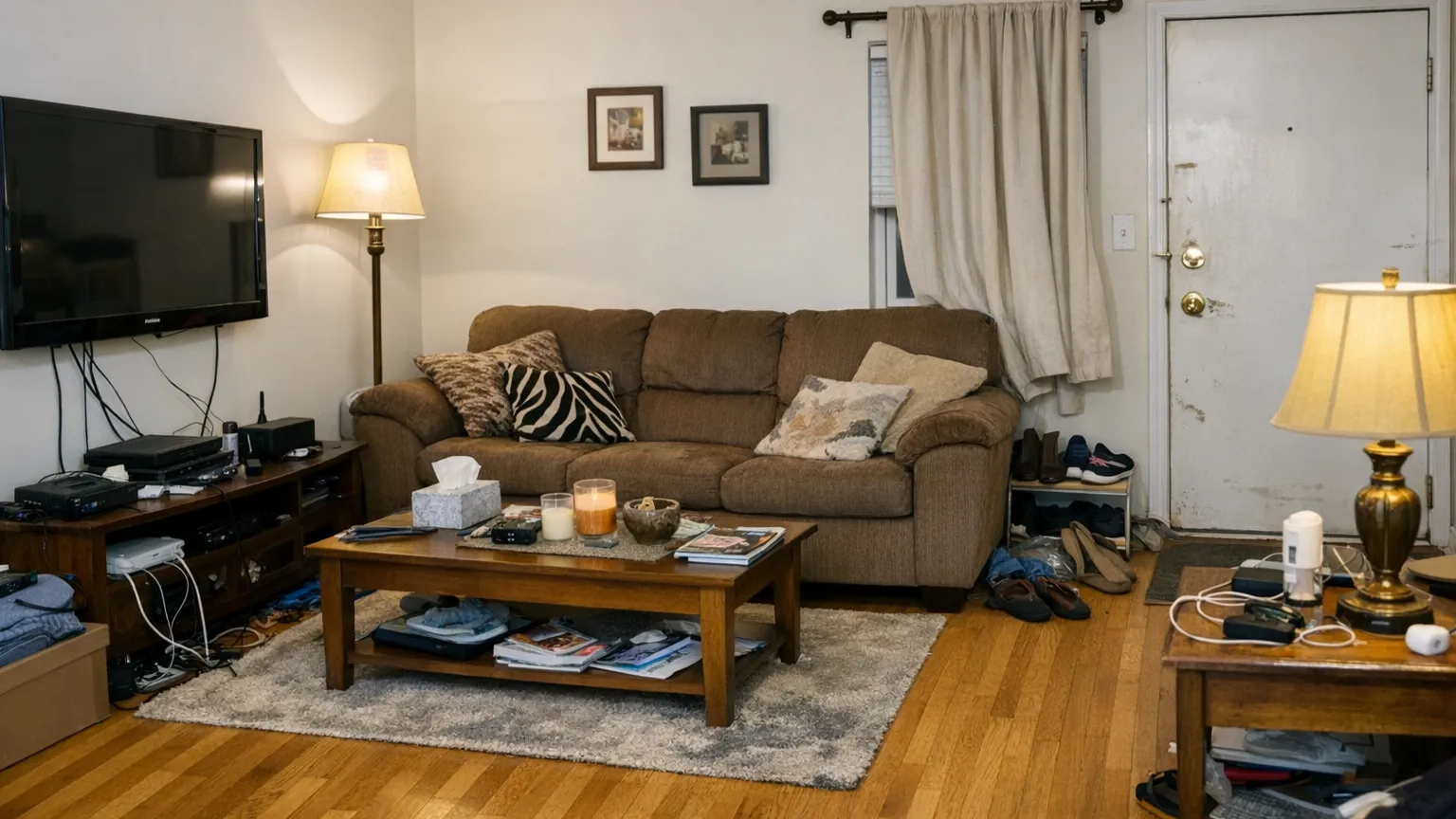

Creating a home that feels sophisticated and welcoming isn’t necessarily about how much money you pour into your furniture or the brand names on your appliances. True luxury often lies in the details—the invisible threads of intention, maintenance, and proportion that tie a room together. When these details are overlooked, even the most expensive pieces can lose their luster, leading to common interior design mistakes that make a home look cheap.
Transforming a space from “basic” to “bespoke” is often a matter of subtraction and refinement. By understanding the subtle cues that signal a lack of care or planning, you can curate an environment that feels elevated and timeless without a massive renovation.

Defining the “Cheap” Aesthetic in Modern Design
In the world of interior design, “cheap” doesn’t refer to the cost of an item, but rather a lack of cohesion and attention to detail. An interior looks unrefined when it feels accidental or neglected. This often happens when we prioritize convenience over quality or follow fleeting trends that don’t suit our specific space. Understanding these pitfalls allows us to shift our focus toward intentionality, ensuring every element in a room serves a purpose and contributes to a harmonious whole.
1. The Pitfalls of Unintentional Lighting
Lighting is arguably the most influential element in any room, yet it is frequently the most neglected. Relying solely on harsh, overhead fluorescent bulbs or a single “boob light” in the center of the ceiling creates flat, unflattering shadows. This lack of warmth is a primary culprit in making a home feel unrefined and sterile.
To elevate your space, move toward a layered lighting approach. This involves mixing ambient lighting for general brightness with task lighting for specific activities and accent lighting to highlight architectural features. Swapping out dated builder-grade fixtures for something unique and using warm-toned LED bulbs can instantly soften a room’s atmosphere, making it feel cozy and expensive.
2. Overcoming Cluttered and Overcrowded Surfaces
There is a fine line between a “lived-in” home and a cluttered one. When every flat surface—from the kitchen island to the coffee table—is covered in small decorative trinkets, mail, or appliances, the eye has nowhere to rest. This visual noise creates a sense of chaos that detracts from the beauty of your furniture and decor.
An easy way to refine your home is to practice a bit of minimalism on your surfaces. Keep your kitchen counters mostly clear of bulky appliances and minimize the number of small ornaments on your shelves. By keeping coffee tables and entryways organized, you avoid the interior design mistakes that make a home look cheap by allowing the architecture of the room to breathe.
3. Correcting Poorly Hung Curtains and Drapes
Curtains have the power to change the perceived height and scale of a room, but they are often installed incorrectly. Hanging curtain rods directly on top of the window frame or using panels that are too short—stopping a few inches above the floor—creates a stunted, “skimpy” look that suggests an afterthought rather than a design choice.
To achieve a high-end look, mount your curtain rods high above the frames, ideally closer to the ceiling. Ensure the fabric reaches the floor or even “puddles” slightly for a more dramatic effect. Opting for wider panels that allow for plenty of folds, combined with a quick session with a steamer to remove wrinkles, makes your window treatments look custom-made.
4. Managing Visible Wires and Electronic Clutter
Nothing breaks the magic of a beautifully designed living room like a tangled nest of black wires dangling from a wall-mounted television. Visible cords and electronic clutter are modern-day design killers that make an otherwise chic room look unfinished and messy.
Investing in cable management box organizers or simple wire covers is a small step that yields massive visual rewards. You can tuck away charger nests in dedicated drawers and route lamp wires behind furniture legs. When the technology becomes invisible, the focus remains on your decor, lending the space a much cleaner and more professional feel.
5. Moving Away from Generic or Undersized Area Rugs
A common mistake is choosing an area rug that is too small for the space, resulting in a “floating island” effect where the furniture sits awkwardly around the rug rather than on it. This lack of proportion makes a room feel disjointed and smaller than it actually is.
When selecting a rug, aim for a size that allows at least the front legs of your furniture to rest comfortably on the fabric. Furthermore, avoid flat, overly shiny synthetic materials that lack depth. Choosing rugs with rich textures or natural fibers ensures the room feels grounded and luxurious, providing a tactile foundation that avoids the look of a temporary setup.
6. Addressing Interior Design Mistakes That Make a Home Look Cheap on Walls
Art is a reflection of your personality, but its impact is often diminished by poor placement. Hanging frames too high—the “gallery squint”—is a frequent error that makes walls look disconnected from the furniture. Similarly, using a tiny frame on a massive, empty wall creates a sense of imbalance.
Take the time to patch visible wall cracks or scuffs, as these small signs of wear can make a home feel unkempt. Instead of relying on mass-produced generic prints, look for pieces that truly resonate with you. When hanging them, aim for eye level and ensure the scale of the art matches the scale of the wall, creating a sophisticated, curated gallery feel.
7. Refreshing Mismatched or Dated Hardware
Hardware is the “jewelry” of your home. Plastic cabinet handles, rusted door hinges, or discolored, yellowing light switches are small items that have a disproportionately large impact on how “new” or “expensive” a home feels.
Swapping out basic hardware for coordinated metal finishes—like brushed brass or matte black—can breathe new life into old cabinets and doors. It is a relatively inexpensive DIY project that provides a sense of continuity throughout the house. Replacing old switches and plates with modern, clean versions is another subtle way to signal that the home is well-maintained and modern.
8. Monitoring Sensory Red Flags
The way a home looks is only half of the story; how it smells and sounds also dictates the perception of quality. Lingering pet odors, stale cooking smells, or the heavy, cloying scent of cheap artificial air fresheners can be an immediate turn-off for guests, regardless of how beautiful the furniture is.
Similarly, functional “noises” like squeaky floorboards or doors that groan when opened suggest a lack of maintenance. Keeping a home smelling fresh with natural scents—like beeswax or essential oils—and addressing minor repairs promptly ensures that the sensory experience of your home matches its visual elegance.
9. Balancing Furniture Proportions
Proportion and scale are the cornerstones of professional interior design. A common mistake is stuffing a small room with bulky, oversized sofas or buying matching “set” furniture bundles that lack character. This can make a home feel cramped or like a furniture showroom rather than a personal sanctuary.
To create a more expensive feel, balance heavy, grounded pieces with lighter furniture that has visible legs to create a sense of space. Ensure there are clear walking paths throughout each room. By mixing different styles and scales, you create a dynamic environment that feels layered and thoughtfully assembled over time.
10. Prioritizing the Maintenance of Small Details
Ultimately, the most effective way to avoid an interior that feels low-quality is to stay on top of basic maintenance. Dusty baseboards, burnt-out light bulbs, and peeling wallpaper are small flaws that collectively suggest a home is neglected.
Taking the time to polish dull surfaces, clean ceiling fans, and touch up chipped paint costs very little but pays dividends in the overall “vibe” of your home. A clean, well-maintained space always looks more expensive than a messy one, no matter the price point of the decor.
Embracing the Art of Intentionality
In the end, avoiding interior design mistakes that make a home look cheap isn’t about chasing luxury brands; it’s about embracing a mindset of intentionality and care. By focusing on lighting, proportion, and the “invisible” details of maintenance, you create a space that feels curated and respected.
A home that looks expensive is one that tells a story of a life well-lived and a space well-loved. Whether it’s the way your curtains brush the floor or the absence of tangled wires behind your desk, these small refinements contribute to a sense of peace and sophistication.









No Response