






There was a time, not so long ago, when “dropping by” wasn’t a social transgression. You didn’t need a calendar invite or a three-week lead time to see a friend; you simply knocked on a door, hoping they were home. Today, that level of spontaneity feels almost radical. As our lives have become increasingly mediated by screens, many nostalgic social traditions that once defined our daily lives have shifted from being the baseline of existence to a high-end rarity. We are living in an era where undivided attention is the new status symbol, and the simple act of being present has become a true luxury.
If you feel a quiet ache for the days of long, meandering phone calls or the chaotic joy of a block party, you aren’t just being sentimental. You’re noticing the erosion of “social friction”—those small, unscripted interactions that once glued communities together. Understanding why these habits have vanished is the first step toward reclaiming a sense of belonging that digital likes can never quite replicate.
The Evolution of Social Presence
The most profound change in our social landscape isn’t that we talk less, but that we are rarely “all there” when we do. In the past, physically gathering meant an absolute commitment to the person in front of you. This total immersion created a specific kind of psychological safety. You knew that for the next hour, you were the most important thing in your companion’s universe.
When we look back at unplanned visits to a neighbor’s house, we see a level of trust that feels almost alien now. Today, we guard our time like a private bank account. We’ve traded the messy, beautiful unpredictability of a neighbor popping over for the sterile safety of a “let me check my schedule” text.
Reviving Nostalgic Social Traditions in the Modern Home
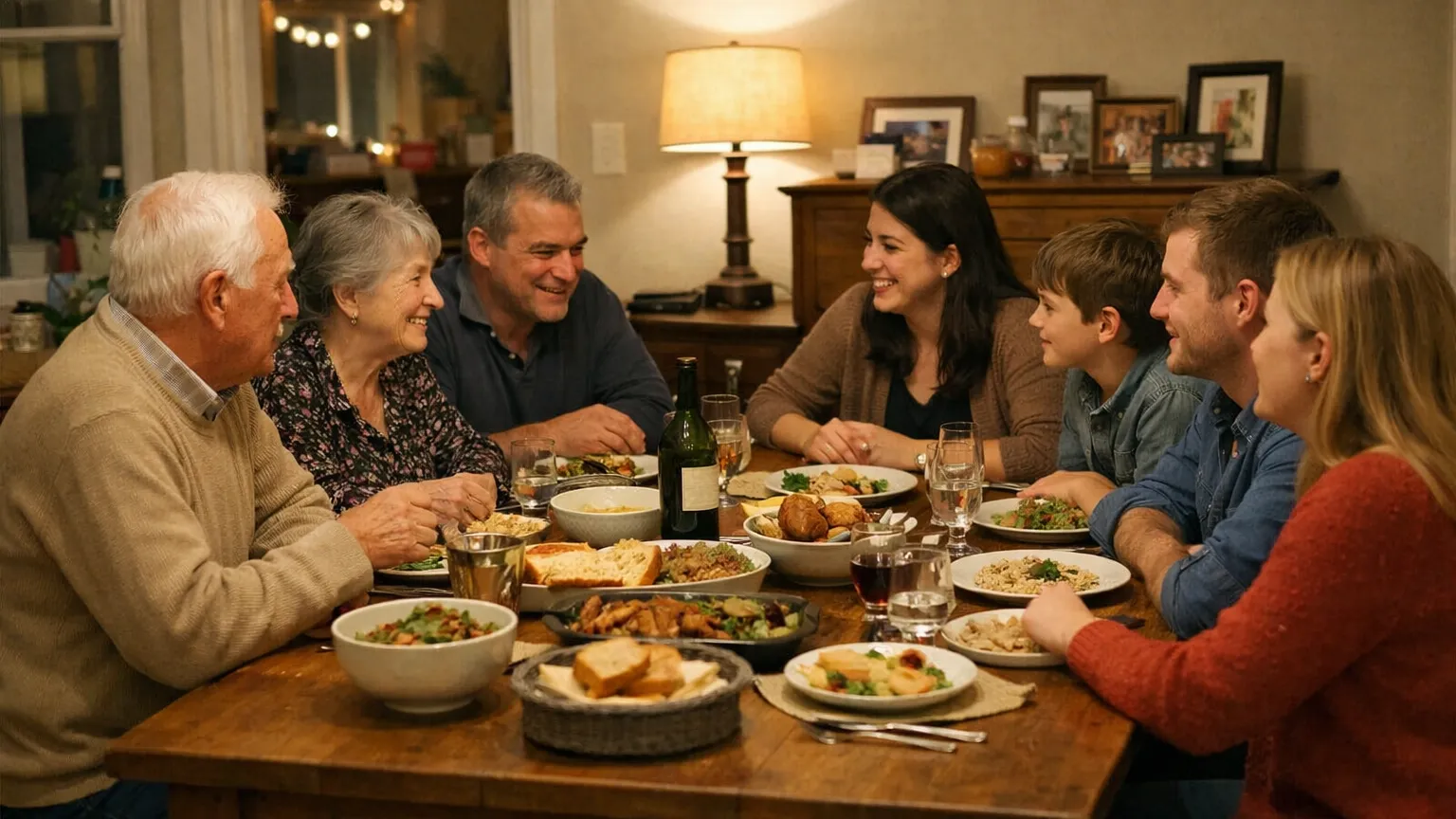
Much of what we consider “nostalgic” is actually the ghost of communal dining. The dinner table was once the primary theater of human life. It wasn’t just about the food; it was about the intergenerational storytelling that happened between courses. Grandparents, parents, and children didn’t just share a meal; they shared a history.
Beyond the home, local neighborhood festivities served as a social heartbeat. Whether it was a seasonal festival or a Friday night at a local hall, these events provided a “third space.” As these nostalgic social traditions fade, we lose the “weak ties” that make a neighborhood feel like a community. The loss of these ceremonies has left a vacuum that digital forums often fail to fill.
Why Simple Gatherings Now Feel Expensive
It is a strange irony of modern life that things that used to be free now carry a premium price tag. Think about the “digital detox” retreat; you are essentially paying for a default state of humanity that existed for millennia.
The scarcity of free leisure time is a major driver of this. In a “hustle culture,” spending four hours over a slow lunch feels “expensive” because we’ve been conditioned to think about the tasks we aren’t completing. We have commodified our attention, making the act of giving it away for free feel like an extravagance. Furthermore, authentic interaction has become a boutique experience, with “Social Clubs” charging memberships just to provide the environment that used to exist on every street corner.
The Shift from Physical to Digital Memories
Our relationship with the tangible world has changed. There is a specific, tactile intimacy in receiving a handwritten letter—a souvenir of effort. Contrast this with the “cloud,” where we have ten thousand photos we may never look at again. The weight of a physical book or a vinyl record provides a sensory anchor. When we lean into these nostalgic social traditions of sharing physical objects, we aren’t just sharing information; we are sharing a piece of our lived experience.
Impact of Modern Urbanization on Socializing
Our physical environment plays a silent but massive role in how we relate to one another. Modern urban design often prioritizes efficiency and privacy over communal living. Gated communities and high-rise apartments act as barriers to the casual “hey” over a fence.
Because we have to travel further to see friends, the “casual meetup” has become an “event,” adding a layer of pressure. The barrier to entry for a simple chat has become significantly higher, turning what used to be a daily occurrence into a scheduled performance.
Restoring Old-School Social Value
How do we bring the luxury of connection back without needing a private club membership? It starts with a conscious decision to reintroduce “friction” into our routines through small, personal policies:
-
The Phone Stack: When dining out, place phones in the middle of the table. The first to reach for theirs pays the bill.
-
The “Five-Minute” Rule: Instead of a long text, pick up the phone. Voice carries warmth that an emoji cannot.
-
Hyper-Local Investing: Sit on your front porch instead of the back deck. These small “deposits” in your local social bank pay out in a sense of belonging.
-
The Art of the Invite: Don’t wait for a special occasion. Invite a friend over for “leftovers and a movie.” Lowering the stakes makes it easier to say yes.
Reclaiming the Ordinary
We don’t need to move to a remote village to experience the depth of connection our ancestors enjoyed. We simply need to recognize that nostalgic social traditions—listening without interrupting, visiting without an agenda, and sharing without a filter—are actually the most valuable things we possess.
The true luxury of the modern age isn’t the latest gadget; it’s the ability to disconnect from the noise and reconnect with the soul. By valuing quality over the quantity of our contacts, we can turn our social lives back into a premium experience that nourishes us rather than draining us.





No Response