






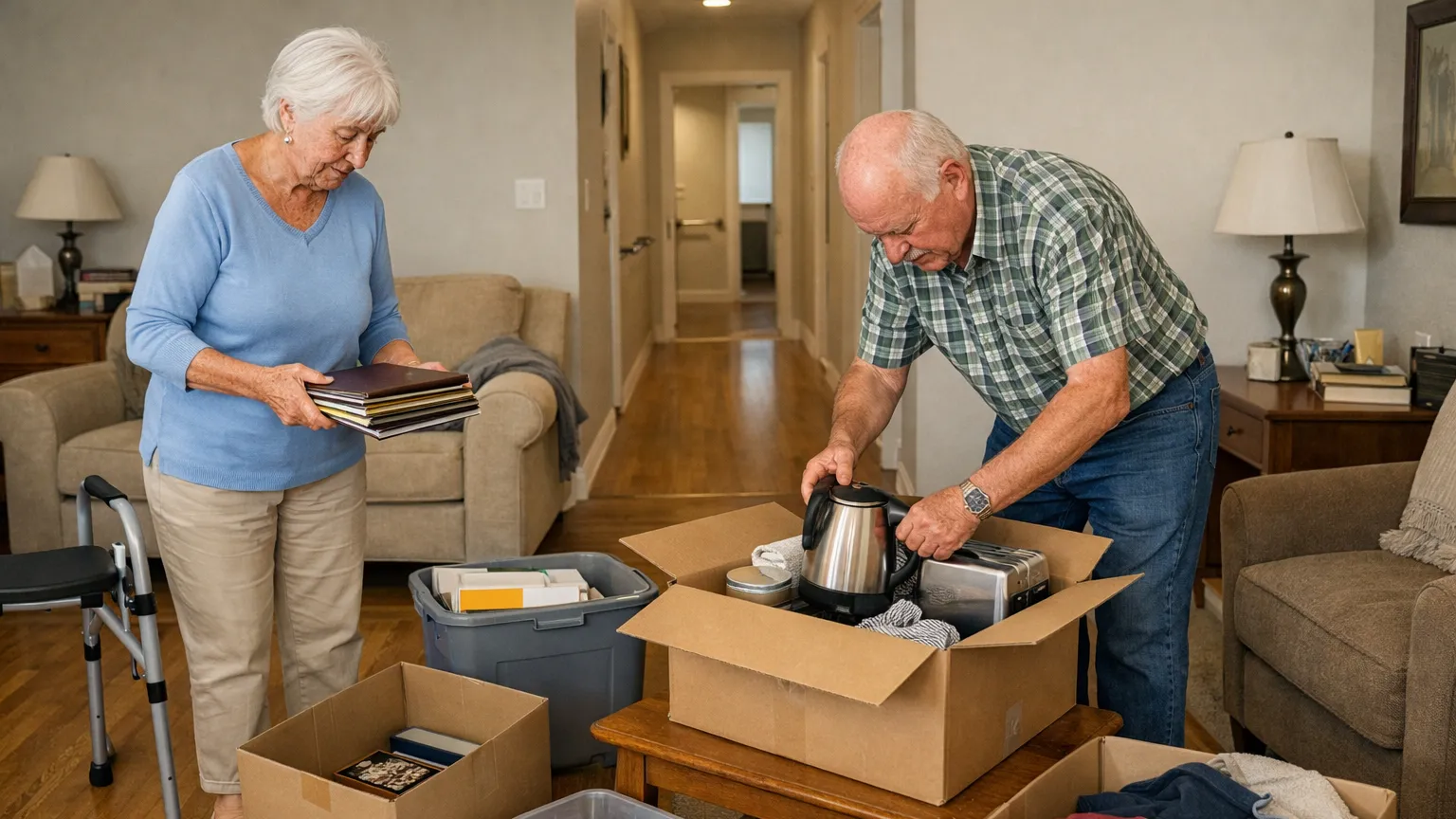
The concept of “home” takes on a much deeper meaning as we age. It isn’t just a physical structure; it’s a sanctuary of memories, a collection of lifetime achievements, and the place where we feel most secure. However, as the years pass, the very items that once brought us comfort can inadvertently become obstacles. Aging-in-place home decluttering is more than just a weekend cleaning project; it is a vital step in ensuring that a residence remains a safe, functional, and peaceful environment for the long haul. When we transition toward a more minimalist lifestyle, we aren’t just getting rid of “stuff”—we are reclaiming space, reducing the risk of accidents, and lifting the mental weight that comes with managing an overstuffed household.
If you or a loved one are planning to stay in your current home for the foreseeable future, you might find that the sheer volume of possessions has become overwhelming. From stacks of old newspapers to heavy furniture that makes navigating a hallway feel like an obstacle course, clutter can be a silent hazard. This guide is designed to walk you through the process of thinning out a lifetime’s worth of belongings with empathy and logic. By the end of this journey, you’ll understand how to transform a crowded house into a streamlined haven that supports mobility, reduces stress, and prioritizes safety above all else.
The Hidden Benefits of a Lighter Home
When we talk about decluttering for seniors, the immediate thought is often about safety—and for good reason. Removing physical trip hazards like loose cords or scattered magazines is the fastest way to prevent falls, which are a leading cause of injury in the home. By increasing accessible floor space, we ensure that movement from room to room is fluid and unrestricted. Yet, the benefits extend far beyond the physical.
There is a profound psychological shift that happens when we clear our surroundings. Minimalizing our environment significantly reduces “decision fatigue.” When every drawer is bursting and every surface is covered, the brain constantly processes that visual noise, leading to higher stress levels. A simpler home means fewer things to clean, fewer items to lose, and a much clearer mind. It simplifies daily routines, allowing seniors to focus their energy on hobbies and family rather than on the endless cycle of tidying up.
Why the Floors Come First: The Case Against Heavy Rugs
One of the most difficult but necessary conversations in senior home safety involves floor coverings. We often have a sentimental attachment to Persian rugs or plush carpeting, but from a mobility standpoint, they are frequently the enemy. Heavy rugs, especially those with thick piles or frayed edges, create dangerous tripping points. Even a slight lip on a rug can catch a toe, a cane, or the wheel of a walker, leading to a dangerous stumble.
Beyond the trip risk, heavy rugs are notoriously difficult to maintain. They trap dust and allergens and require heavy vacuuming that can be physically taxing. By removing these and opting for non-slip, hard-surface flooring or low-pile, secured carpets, you improve wheelchair and walker mobility significantly. It creates a seamless transition between rooms, ensuring that every step taken is on stable, predictable ground.
Identifying the Furniture That Has Outstayed Its Welcome
Not all furniture is created equal when it comes to aging-in-place. The pieces we bought thirty years ago might not suit our physical needs today. When starting the aging-in-place home decluttering process, the first things to target are unstable or wobbly chairs. If a piece of furniture can’t support someone’s weight as they lean on it for balance, it shouldn’t be in the home.
Similarly, low-profile coffee tables and sharp-edged glass furniture are common culprits in home accidents. Low tables are often hard to see in dim light and easy to trip over, while sharp glass corners pose a serious risk for bruising or skin tears. We should also look at overstuffed, bulky armchairs. While they look cozy, they are often difficult to get out of because they lack firm support. Replacing these with sturdy, high-seated chairs with solid armrests makes a world of difference in daily comfort and independence.
Streamlining the Heart of the Home: The Kitchen
The kitchen is often the most cluttered room in the house, filled with “just in case” gadgets and heavy cookware. For a senior-friendly kitchen, the mantra is “light and accessible.” Start by donating duplicate cooking utensils—no one truly needs four spatulas and three sets of measuring cups.
Heavy cast-iron pots and large ceramic crocks might have served you well for holiday dinners in the past, but they are heavy and difficult to wash. Swapping these for lightweight, high-quality non-stick pans can prevent wrist strain and accidents. It’s also important to clear rarely used appliances from the countertops. If the bread maker or the oversized stand mixer only comes out once a year, it shouldn’t be taking up valuable workspace. By organizing frequently used items within arm’s reach (between waist and shoulder height), you eliminate the need for dangerous step stools or deep bending.
Clearing the Path: The Vitality of Open Hallways
Hallways are the arteries of the home, and they must remain unobstructed. In many homes, hallways become “temporary” storage zones for boxes, shoes, or decorative pedestals. However, clearing hallway clutter is essential for ensuring wide walking paths that can accommodate future mobility aids like walkers or wheelchairs.
More importantly, in the event of an emergency, first responders need a clear, wide path to move equipment and provide help quickly. A cluttered hallway creates shadows and hides floor-level obstacles, especially at night. By keeping these transit zones completely bare and ensuring they are well-lit, you significantly improve the overall visibility and safety of the entire floor plan.
Navigating the Emotional Maze of Sentimental Items
Perhaps the most challenging part of aging-in-place home decluttering is dealing with sentimental items and the “paper trail” of a long life. It’s hard to part with old photo albums or boxes of financial records. The key here is a transition from physical to digital. Digitizing old photo albums allows you to share memories with family members across the globe while saving shelf space.
For paper clutter, it’s time to be ruthless with the shredder. Expired financial documents, old tax returns (beyond the required years), and stacks of vintage magazines should be processed and removed. When it comes to family heirlooms, consider “giving while living.” Distributing cherished items to children or grandchildren now allows you to see them being enjoyed by the next generation, rather than leaving them in a box in the attic.
Prioritizing Bathroom Safety and Simplicity
The bathroom is statistically the most dangerous room for seniors due to slippery surfaces. Decluttering here starts with removing loose bath mats that slide easily. Replacing them with non-slip strips or suction-backed mats is a small change with a huge impact.
We should also clear cluttered vanity tops. A sea of bottles and jars makes it easy to knock things over or grab the wrong medication. Keep only the essentials on the counter and store the rest in easy-access drawers. If the budget allows, swapping a high-sided tub for a walk-in shower and installing secure, professional-grade grab bars (not just towel racks) provides the ultimate peace of mind.
Thinning Out the Wardrobe for Daily Ease
A closet full of clothes we no longer wear is a source of daily frustration. To simplify, start by discarding ill-fitting clothing or items that are difficult to put on, such as those with tiny buttons or complex zippers. Donate unused seasonal coats that take up massive amounts of space.
Footwear is particularly important. Thin out the shoe collection to only include supportive, non-slip pairs that are easy to slip on. By organizing the remaining wardrobe by frequency of use—placing daily outfits at eye level—you reduce the physical effort required to get ready each morning. A minimalist wardrobe doesn’t mean you have less style; it means you have less stress.
Practical Strategies for a Stress-Free Start
Aging-in-place home decluttering a lifetime’s worth of belongings can feel like climbing a mountain. The best way to start is small—one drawer or one shelf at a time. Set a timer for 20 minutes a day so you don’t become physically or emotionally exhausted.
-
The Three-Box Method: Label three boxes as “Keep,” “Donate/Gift,” and “Toss.” This forces a decision on every item you touch.
-
The One-Year Rule: If you haven’t used an item, worn a piece of clothing, or looked at a document in a year, it’s a prime candidate for removal.
-
Focus on Function: Ask yourself, “Does this item make my daily life easier or safer?” If the answer is no, it may be time to let it go.
A New Chapter of Freedom
In summary, aging-in-place home decluttering is not an act of losing your past; it is an act of securing your future. By thinning out the excess, you are creating a home that respects your current needs and anticipates your future ones. A minimalist senior home is easier to navigate, simpler to maintain, and much safer to live in. It allows the beauty of your home and the quality of your life to shine through, unburdened by the weight of unnecessary “stuff.”
The peace of mind that comes with a clean, safe environment is the greatest gift you can give yourself or your aging parents. Take it one step at a time, celebrate the small wins, and enjoy the newfound breathing room in your sanctuary.






No Response