

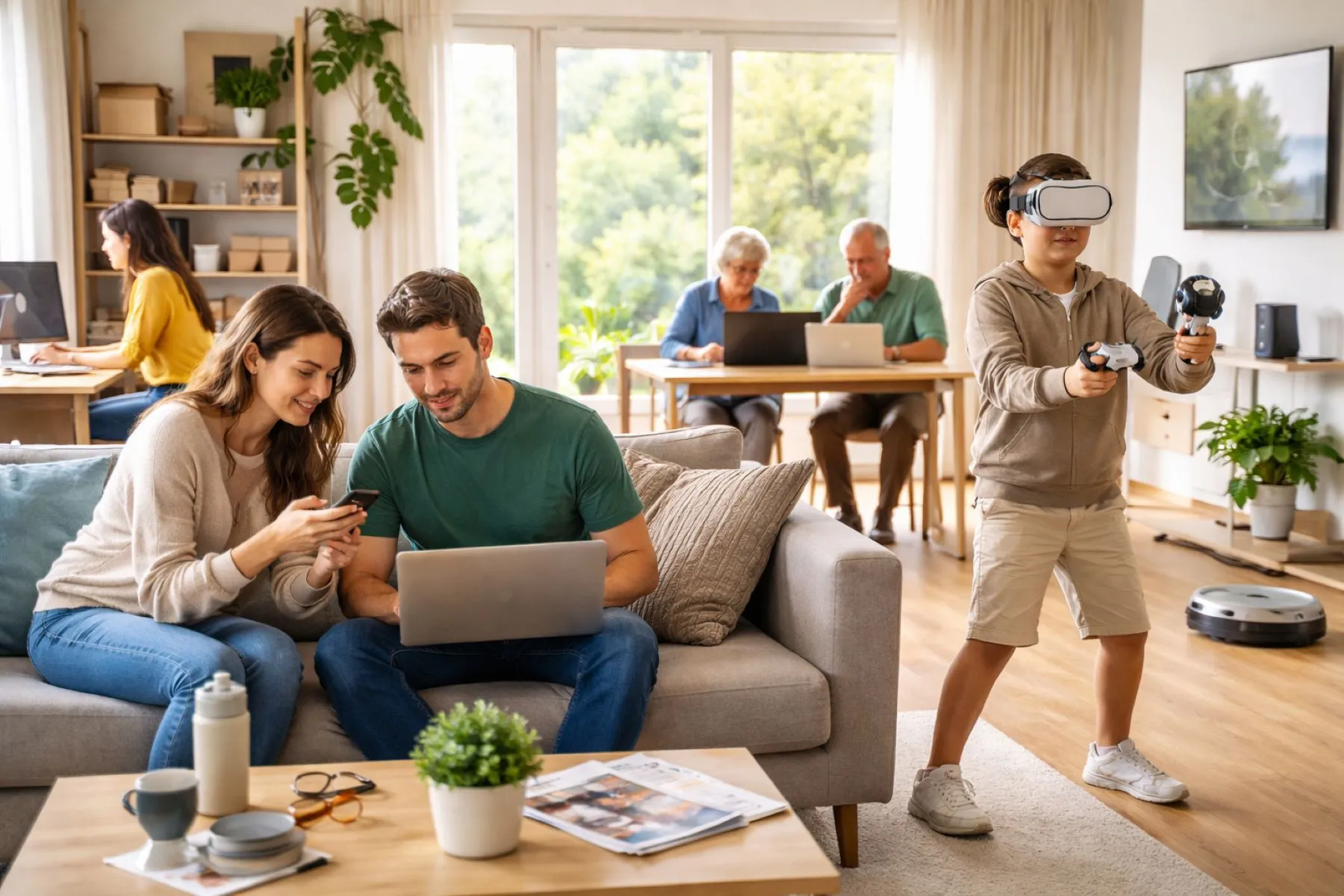
The way we navigate our daily lives has undergone a profound transformation over the last few decades. If we look back at the routines of our parents or grandparents, the milestones they aimed for were often linear and predictable. Today, however, those traditional paths are being reimagined through the lens of a globalized, digital-first world. This evolution isn’t just about the gadgets we carry; it represents significant generational lifestyle shifts that influence everything from our career choices to how we define personal success.
Understanding Generational Lifestyle Shifts
At its core, the term generational lifestyle shifts refers to the evolving patterns of behavior, social values, and consumption habits that distinguish one demographic age group from another. While older generations might have prioritized stability and long-term tenure in a single industry, younger cohorts are increasingly focused on flexibility, social impact, and the integration of technology. These shifts are rarely sudden but are instead the result of economic changes, environmental awareness, and the rapid democratization of information through the internet.
The Move Toward Experience Over Ownership
One of the most visible changes in the modern era is the transition from a “collecting” mindset to an “experiencing” one. For previous generations, adulthood was often defined by the acquisition of tangible assets, such as a family home, a reliable car, and a collection of physical goods. These items were markers of security and status. However, contemporary generational lifestyle shifts are trending toward the minimalist and the mobile.
Many people now prioritize spending their resources on travel, education, and unique life events rather than long-term debt or heavy possessions. This shift is partly driven by the rise of the sharing economy, where access to services often outweighs the need for ownership. The ability to live a “light” lifestyle allows for greater freedom to move between cities or pivot careers without being anchored by a high volume of physical belongings.
Redefining the Workplace and Career Longevity
The professional landscape has arguably seen the most drastic departure from tradition. The “nine-to-five” office culture, once considered the gold standard of professional life, is being replaced by a much more fluid approach to work. Driven by generational lifestyle shifts, remote technology now allows many individuals to build careers that fit around their lives, rather than forcing their lives to fit around their jobs.
This change is deeply rooted in a desire for a healthier work-life balance. Modern professionals are more likely to seek out employers who align with their personal values, such as environmental sustainability or mental health support. We are seeing a move away from the idea of “climbing the corporate ladder” in a single organization toward a “portfolio career” model, where people leverage various skills across different industries throughout their lives.
Technology as a Tool for Connection
While it is easy to assume that technology has made us more isolated, a closer look at these generational lifestyle shifts reveals a more complex story. For younger generations, digital platforms are not just for entertainment; they are vital tools for building community and maintaining relationships across vast distances. The way we communicate has shifted from localized interactions to a global network of shared interests.
This hyper-connectivity has also changed how we approach health and wellness. Access to information has empowered people to take a more proactive role in their physical and mental well-being. Whether it is using apps to track nutrition or participating in online support groups for niche hobbies, technology is being used to foster a sense of belonging and self-improvement that was much harder to find in a pre-digital age.
A Reflection on the Path Forward
As we look at these generational lifestyle shifts, it is clear that we are in a period of meaningful transition. While the methods of our ancestors provided a solid foundation of discipline and community, the modern approach offers an exciting level of autonomy and global awareness. There is a beautiful balance to be found in respecting the wisdom of the past while embracing the innovative tools of the present.
Ultimately, these shifts reflect a collective desire to live more intentional lives. Whether it is through choosing sustainable products, seeking meaningful work, or prioritizing mental health, the evolution of modern living is a testament to our adaptability. As we continue to redefine what it means to live well, we create a future that is more inclusive, flexible, and attuned to the diverse needs of everyone in society.